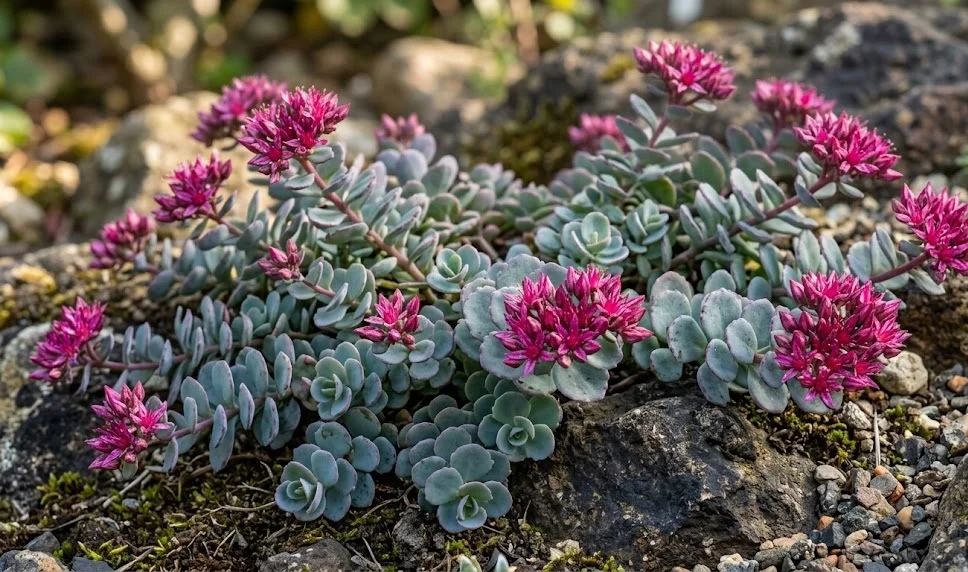

The success of any succulent in the garden depends heavily on the gardener’s approach to moisture and nutrient management. Japanese stonecrop is a plant that thrives on a “less is more” philosophy, making it an ideal choice for low-maintenance landscapes. However, understanding the nuances of when to provide water and how to supplement the soil is key to achieving the best possible growth. This article outlines a professional strategy for managing these two critical aspects of plant care.
Watering philosophy for succulents
When it comes to watering the Japanese stonecrop, the most important rule is to allow the soil to dry out significantly between applications. These plants are biologically adapted to survive in environments where rainfall is infrequent but may be heavy when it does occur. Their thick, fleshy leaves are designed to store water for use during dry spells, allowing them to remain turgid even in drought. If you keep the soil constantly wet, the roots will be deprived of oxygen and will eventually begin to decay.
The frequency of watering will depend largely on the weather conditions and the type of soil you have in your garden. During the hot, dry months of summer, you may find that the plant needs a deep soaking once every week or two. In contrast, during the cooler months of spring and autumn, the natural rainfall is often more than enough to meet the plant’s needs. You should always check the moisture level of the soil by sticking your finger an inch or two below the surface before reaching for the hose.
When you do water, it is best to do so deeply and thoroughly rather than giving the plant frequent, light sprinkles. Deep watering encourages the roots to grow further down into the soil in search of moisture, which makes the plant more resilient in the long run. Try to apply the water directly to the base of the plant rather than overhead on the foliage. Keeping the leaves dry helps to prevent the development of fungal diseases and keeps the waxy coating on the foliage looking its best.
Early morning is the ideal time of day for watering, as it allows any moisture that does get on the leaves to evaporate quickly as the sun rises. Watering in the evening can be risky because the damp foliage will stay wet all night, creating a perfect environment for mold and mildew. If you notice the leaves starting to look wrinkled or slightly deflated, it is a clear sign that the plant’s internal water stores are low. A quick drink will usually restore the foliage to its full, plump state within a day or two.
More articles on this topic
Seasonal moisture requirements
The water needs of your Japanese stonecrop will shift significantly as the seasons change throughout the year. In the spring, as the plant wakes up from its winter dormancy, it will require a bit more moisture to support the surge of new growth. This is the time when the root system is most active and is expanding to take advantage of the warming soil. However, be careful not to overdo it if the spring is particularly rainy, as the combination of cool temperatures and wet soil is dangerous.
As the heat of summer arrives, the plant’s metabolic rate increases, and it will transpire moisture more quickly from its leaves. This is the period when you should be most vigilant about checking for signs of drought stress, especially during prolonged heatwaves. If your stonecrop is planted in a container, it will dry out much faster than those in the ground and may require more frequent attention. Despite the heat, the plant still prefers a drying-out period, so don’t be tempted to water every single day.
During the late summer and early autumn flowering phase, the plant needs a stable supply of moisture to support its blossoms. While it is still drought-tolerant, extreme water stress during this time can cause the flowers to fade prematurely or the buds to drop. Maintaining a consistent, moderate moisture level will ensure that the floral display is as vibrant and long-lasting as possible. Once the flowering is over and the plant begins to slow down, you can start to reduce the watering frequency significantly.
In the winter, the plant enters a dormant state where its biological processes are at a near standstill. During this time, it requires almost no supplemental water, as the cold temperatures and reduced sunlight mean it is not using much moisture. Excess water in the winter is the leading cause of death for many succulents, as the cold, wet soil leads to crown rot. Unless you are experiencing an exceptionally dry winter with no snow or rain, it is best to leave the plant alone until the following spring.
More articles on this topic
Nutrient balance and soil health
Japanese stonecrop is not a heavy feeder and can actually suffer if the soil is too rich in nitrogen and other nutrients. In their natural habitat, these plants grow in rocky, lean soils that provide only a minimal amount of sustenance. Providing too much fertilizer can lead to rapid, weak growth that is more susceptible to pests and diseases. The goal of fertilization should be to support the plant’s natural strength rather than forcing it to grow larger than it should.
Most of the nutrients the plant needs can be provided through the natural breakdown of organic matter in the soil. If you have a healthy, living soil with plenty of microbial activity, you may find that you don’t need to add any supplemental fertilizer at all. A thin layer of compost applied around the base of the plant in the spring can provide a slow-release source of nutrients. This method mimics the natural recycling of nutrients that occurs in the wild and is much gentler on the plant.
If you do feel that your plant needs an extra boost, use a balanced, water-soluble fertilizer diluted to half or even quarter strength. Look for a formula that is lower in nitrogen and higher in phosphorus and potassium to encourage root health and flower production. One application in the early spring as growth begins and another in mid-summer is usually more than enough. Never fertilize a plant that is stressed by drought or heat, as this can cause chemical burns to the roots.
The long-term health of the soil is more important than any quick-fix fertilizer application. Avoid using heavy chemicals that can kill off the beneficial fungi and bacteria that live in the root zone. These microorganisms form a symbiotic relationship with the plant, helping it to absorb water and minerals more efficiently. By focusing on building a healthy soil ecosystem, you create an environment where your Japanese stonecrop can thrive for years with minimal intervention.
Managing soil amendments
Sometimes, the existing soil in your garden may lack the structural properties needed for succulent health, requiring specific amendments. If your soil is very sandy, it may drain too quickly, preventing the plant from absorbing enough moisture during a watering session. In this case, adding a small amount of well-rotted organic matter can help to improve the water-holding capacity slightly without making it soggy. It is a delicate balance that requires a bit of experimentation to get right for your specific location.
On the other hand, if you are dealing with heavy clay, your primary goal will be to increase the pore space for drainage. Large-scale amendments like coarse grit or crushed lava rock are much more effective than sand, which can sometimes turn clay into a concrete-like substance. You should mix these amendments deep into the planting hole to ensure that the entire root zone benefits from the improved drainage. This structural change to the soil is a permanent improvement that will benefit all the plants in that area.
Testing the nutrient levels of your soil every few years is a professional way to ensure you aren’t adding things the plant doesn’t need. Over-accumulation of certain minerals can be just as damaging as a deficiency, leading to toxic conditions for the roots. A simple soil test from a local agricultural extension office will give you a clear picture of your soil’s chemical makeup. This data allows you to make informed decisions about exactly what amendments or fertilizers are necessary.
Remember that the Japanese stonecrop is a survivor and is often more comfortable in “poor” soil than in a highly manicured garden bed. If the plant looks healthy, has good color, and flowers regularly, then your current soil management is likely perfect. Don’t feel the need to change things just for the sake of it, as succulents often react poorly to sudden changes in their environment. A stable, consistent approach to soil health is always the best path forward.
Risks of over-fertilization
Over-fertilization is a common mistake made by well-meaning gardeners who want to see their plants grow as quickly as possible. In succulents like the Japanese stonecrop, too much nitrogen causes the cells to expand too rapidly, resulting in soft, watery tissue. This type of growth lacks the structural fibers that give the stems their strength, leading to a floppy and unattractive plant. Furthermore, these soft tissues are an easy target for sucking insects like aphids and mites.
Another risk of excessive fertilization is the buildup of salts in the soil, which can interfere with the plant’s ability to take up water. These salts can accumulate over time, especially if you are using synthetic fertilizers and not watering deeply enough to flush the soil. You may notice white crusts on the soil surface or brown, burnt tips on the leaves if salt levels become too high. If this happens, you should flush the soil with large amounts of fresh water to wash away the excess minerals.
The environmental impact of over-fertilization is also a concern for the modern, ecologically-minded gardener. Excess nutrients that are not taken up by the plants can leach into the groundwater or runoff into local waterways, contributing to pollution. By using fertilizers sparingly and choosing organic options, you reduce the chemical footprint of your garden. A healthy plant in the right soil shouldn’t need a heavy chemical diet to look its absolute best.
In conclusion, the key to watering and fertilizing the Japanese stonecrop is to respect its natural adaptations. By providing a cycle of moisture followed by drying, and by being conservative with nutrients, you support the plant’s inherent resilience. This professional approach leads to a hardier, more beautiful specimen that will grace your garden for many seasons. Observation and patience are the most important tools in your gardening kit when it comes to managing these essential needs.