
Preparing your shrub for the challenges of the winter season is a vital step in ensuring its longevity and aesthetic appeal in the following spring. While this evergreen is known for its hardiness, extreme fluctuations in temperature and the presence of drying winds can take a toll on its foliage and stems. You should take a proactive approach to winter protection, especially if you live in a region that experiences harsh or unpredictable weather patterns. By following these professional guidelines, you can help your plant navigate the cold months with minimal stress and damage.
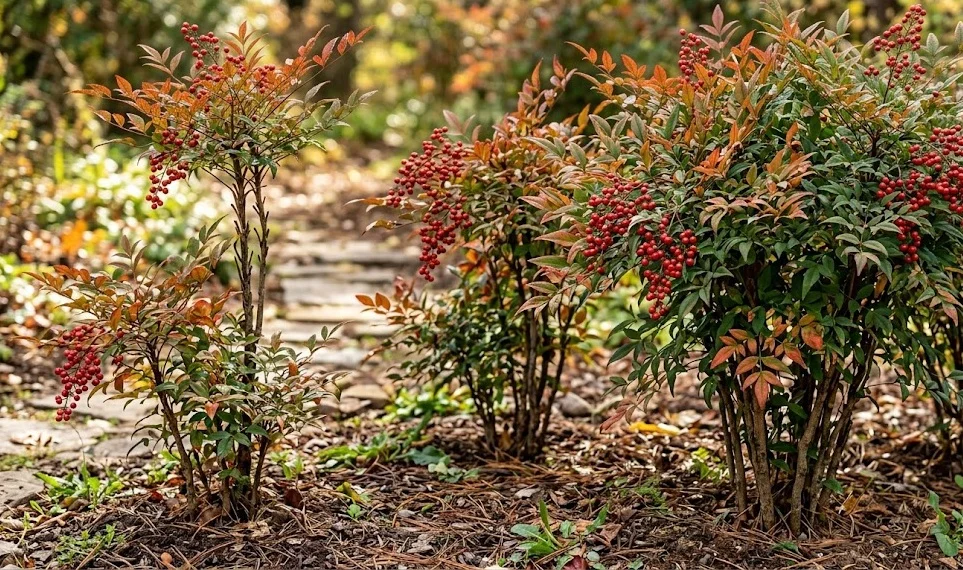
The primary threat during winter is not always the cold itself, but rather the process of desiccation caused by frozen ground and biting winds. Because the plant keeps its leaves throughout the winter, it continues to lose moisture through its foliage even when the roots cannot absorb water from the frozen soil. This can lead to a condition known as “winter burn,” where the leaves turn brown and brittle, detracting from the plant’s beauty. Protecting the plant from these drying forces is the key to maintaining that vibrant red and green foliage all winter long.
Physical protection can range from simple mulching to the construction of temporary windbreaks or the application of anti-desiccant sprays. You must assess the specific microclimate of your garden to determine which methods are most appropriate for your unique situation. A plant in a sheltered corner may need very little help, while one in an exposed, wind-swept area will require more significant intervention. Taking the time to provide this extra layer of security will pay dividends when the plant emerges healthy and vigorous in the spring.
Container-grown specimens require an entirely different level of care during the winter because their roots are much more exposed to the cold than those in the ground. You cannot rely on the insulating properties of the earth to protect the delicate root system of a potted plant from freezing temperatures. Proper preparation for container plants involves a combination of insulation, relocation, and careful monitoring of moisture levels. With the right techniques, even these more vulnerable plants can survive and thrive through the coldest months of the year.
Cold hardiness and zone considerations
Understanding the hardiness rating of your specific variety of shrub is the first step in planning your overwintering strategy. Most varieties are rated for USDA zones 6 through 9, meaning they can typically survive temperatures down to -10 degrees Fahrenheit. If you live on the edge of these zones, you must be much more vigilant about providing extra protection during extreme cold snaps. Knowing your local climate patterns and the specific tolerances of your plants allows you to manage expectations and intervene only when necessary.
More articles on this topic
Microclimates within your own garden can significantly impact the amount of cold stress the plant experiences during the winter months. For example, a plant near a brick wall may benefit from the “heat sink” effect, where the wall absorbs warmth during the day and releases it at night. Conversely, plants at the bottom of a hill may be subjected to “frost pockets” where cold air settles and temperatures are several degrees lower than the surrounding area. Identifying these variations helps you prioritize which plants need the most attention as the winter weather approaches.
The age and health of the plant also play a major role in its ability to withstand the rigors of a cold winter. Mature, well-established shrubs have deeper root systems and a greater volume of stored energy to draw upon during the dormant season. Young plants or those that have recently been transplanted are much more vulnerable and should always be given extra protection during their first few winters. Ensuring your plant is healthy and properly hydrated during the autumn will build the internal resilience it needs to survive.
Acclimation is the natural process by which the plant prepares itself for the cold as the days become shorter and the temperatures drop. You should not do anything to disrupt this process, such as applying nitrogen-rich fertilizer or performing heavy pruning in the late autumn. These actions can stimulate new, tender growth that has no time to harden off before the first frost arrives. Allowing the plant to follow its natural rhythm is the most professional way to ensure it is as tough as possible when the real winter weather begins.
Protective mulching strategies
A thick layer of organic mulch is one of the most effective and easiest ways to protect the root system of your shrub from winter damage. You should apply a three- to four-inch layer of wood chips, straw, or pine needles around the base of the plant in the late autumn. This layer acts as an insulator, keeping the soil temperature more stable and preventing the frequent freeze-thaw cycles that can heave plants out of the ground. It also helps to retain what little moisture is available in the soil during the winter months.
More articles on this topic
The timing of mulch application is important, as you want to wait until the ground has started to cool but before it has frozen solid. Applying mulch too early in the autumn can trap heat in the soil and delay the plant’s natural dormancy process. On the other hand, waiting until the ground is frozen makes the task more difficult and provides less benefit for moisture retention. A mid-to-late November application is usually ideal for most temperate regions where the shrub is commonly grown.
Proper placement of the mulch is critical to prevent the development of bark rot or other moisture-related issues during the winter. You must pull the mulch away from the main stems, creating a small gap of a few inches where the air can circulate freely. “Mulch volcanoes,” where the material is piled high against the trunk, are a major mistake that can lead to significant problems. This simple adjustment ensures that the roots get the insulation they need without putting the upper structure of the plant at risk.
In the spring, you should gradually thin out the winter mulch layer as the temperatures begin to rise and new growth appears. Leaving the full thickness in place can sometimes delay the warming of the soil, which in turn delays the start of the plant’s active growing season. You can incorporate some of the decomposed mulch into the surface of the soil to add organic matter and improve the overall structure. This cycle of mulching and enrichment is a cornerstone of professional garden maintenance throughout the year.
Shielding from winter winds
Cold, dry winds are often more damaging to evergreen shrubs than low temperatures alone because they accelerate the loss of moisture from the leaves. You can create a temporary windbreak using burlap, lattice panels, or even a simple fence made of stakes and plastic sheeting. This shield should be placed on the side of the plant that faces the prevailing winter winds to create a pocket of relatively calm air. By reducing the wind speed, you significantly decrease the rate of desiccation and help the plant maintain its hydration.
Anti-desiccant sprays are a professional product that can be applied to the foliage to create a thin, protective coating that reduces water loss. These sprays are typically made from natural resins or waxes and can provide an extra layer of protection for plants in very exposed locations. You should apply the spray on a clear, calm day when the temperature is above freezing to ensure it dries properly and forms a continuous film. Reapplication may be necessary mid-winter if heavy rains or snow have washed the product away.
Snow can be both a blessing and a curse for your shrub during the winter months, depending on how you manage it. A layer of fluffy snow acts as an excellent insulator, protecting the plant from extreme cold and wind just like a blanket. However, heavy, wet snow or ice can accumulate on the branches and cause them to bend or even break under the weight. You should gently brush off heavy snow from the branches after a storm to prevent structural damage, but never try to crack off frozen ice.
Physical supports, such as twine or bamboo stakes, can be used to wrap the stems of the shrub together during the winter. This prevents the branches from splaying outward under the weight of snow and keeps the overall shape of the plant intact. You should wrap the twine loosely enough to allow for some movement but tight enough to provide meaningful support against the elements. This technique is particularly useful for taller or more slender varieties that are more prone to bending and breaking.
Container plant protection
Plants growing in pots are much more susceptible to winter damage because their entire root system is elevated above the ground and exposed to the air. You should move your containers to a more sheltered location, such as against a south-facing wall or under a covered porch, before the first hard freeze. Grouping several pots together can also help create a small microclimate where they share warmth and provide wind protection for each other. This simple relocation can make the difference between a dead plant and a healthy survivor in the spring.
Insulating the pots themselves is another professional strategy for protecting the roots of your container-grown heavenly bamboo. You can wrap the containers in bubble wrap, burlap, or old blankets to provide a barrier against the cold air. For even more protection, place the pot inside a larger container and fill the space between them with straw or shredded leaves. This “pot-in-pot” method provides a significant amount of insulation that mimics the natural protection of the ground.
Monitoring the moisture levels of container plants during the winter is critical because they can dry out much faster than plants in the ground. You should check the soil on days when the temperature is above freezing and provide a light watering if it feels dry to the touch. It is a common mistake to assume that dormant plants do not need water, but their metabolism is still functioning at a low level. Ensuring the roots are hydrated before the next freeze will help the plant withstand the cold much more effectively.
If you live in an area with extremely cold winters, you may need to move your container plants into an unheated garage or basement for the worst of the season. This environment provides protection from the wind and the most extreme temperature dips while still keeping the plant in its necessary dormant state. You should avoid moving the plant into a heated living space, as the warmth will wake it up prematurely and cause it to grow weak, spindly shoots. Bringing the plant back outside gradually in the spring will ensure a smooth transition back to its normal growing environment.