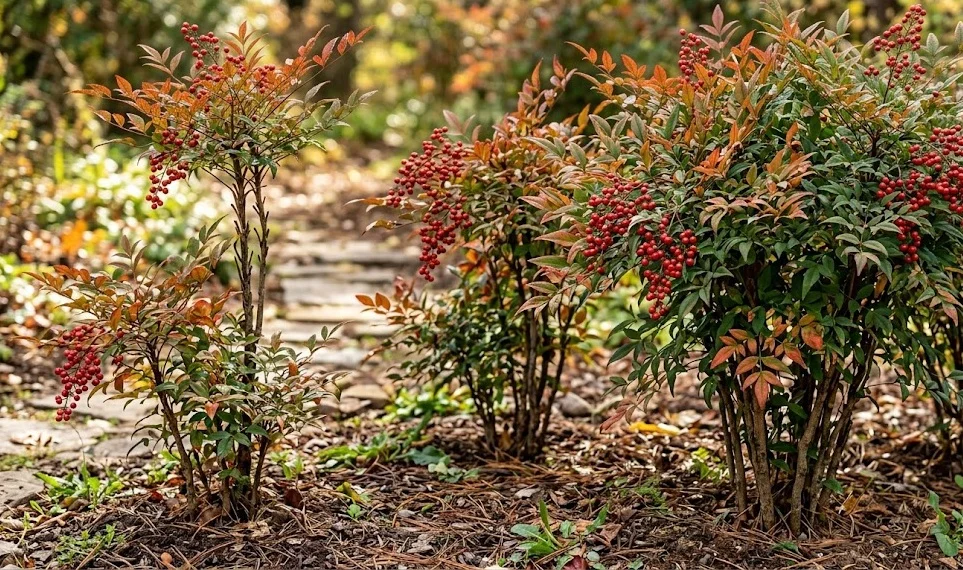

Mastering the hydration and nutrition of this shrub is the key to unlocking its full potential for growth and color. While it is often praised for its resilience, the difference between a surviving plant and a thriving one often lies in the details of its watering and feeding schedule. You should aim to provide a consistent environment that avoids the extremes of drought or over-saturation, especially during the critical growing months. By understanding the specific biological needs of the plant, you can tailor your approach to match your local soil and weather conditions.
Watering is not just about the amount of liquid provided, but also about the timing and method of application to the root zone. You must develop a keen eye for the subtle signs of thirst that the plant displays before it reaches a point of severe stress. Developing a deep-rooting habit through correct watering techniques will make the plant much more independent as it matures. Consistency is your best ally, as the shrub appreciates a predictable supply of moisture that allows it to maintain its internal pressure and metabolic functions.
Fertilization provides the chemical building blocks that the plant needs to produce its stunning foliage and delicate flower clusters. Without the right balance of nitrogen, phosphorus, and potassium, the plant may struggle to display the vivid colors that are its most famous feature. You should think of fertilizer as a supplement to naturally healthy soil rather than a replacement for it, focusing on slow-release options that feed the plant over time. Over-fertilizing can be just as damaging as under-feeding, so precision and moderation are essential for professional results.
A well-fed and hydrated plant is much better equipped to naturally resist the attacks of pests and the onset of environmental diseases. When the vascular system is functioning at its peak, the plant can effectively transport nutrients and water to every leaf and stem. This internal strength creates a physical barrier against stressors and allows the plant to recover more quickly if damage does occur. By investing time in these fundamental aspects of care, you are building a foundation for a long-lived and beautiful garden specimen.
Hydration basics for young plants
Newly planted shrubs require the most frequent attention when it comes to watering, as their root systems are still limited to the original nursery ball. You should check the soil moisture daily for the first few weeks to ensure the plant never dries out completely. A light misting of the foliage during the heat of the day can also help reduce the stress on the plant as it tries to establish itself. The goal is to keep the soil consistently damp like a wrung-out sponge, which provides the perfect balance of water and air for root growth.
More articles on this topic
As the plant begins to send roots out into the surrounding soil, you can gradually increase the interval between waterings. This transition encourages the roots to grow deeper in search of moisture, which is vital for long-term drought tolerance. You should still monitor the weather closely, as a sudden heatwave can quickly dry out a young plant that is not yet fully established. Paying attention to the color and texture of the new growth will give you an immediate indication of the plant’s current hydration status.
Mulching is a critical partner to watering for young plants, as it prevents the surface of the soil from drying out too quickly. A good layer of organic mulch acts like a reservoir, holding onto moisture and releasing it slowly into the root zone. You will find that mulched plants require significantly less frequent watering than those in bare soil, which saves you time and resources. Ensure the mulch is not touching the stems directly, as this can lead to moisture-related bark issues in young, tender specimens.
The method of watering is just as important as the frequency for ensuring that moisture reaches the roots where it is needed most. You should use a gentle stream of water directed at the base of the plant rather than a high-pressure spray that can wash away soil. Soaker hoses or drip irrigation systems are excellent choices for young plants because they deliver water slowly and deeply without wasting it. Avoiding getting water on the leaves during the evening can also help prevent the development of fungal leaf spots.
Managing water in established shrubs
Once the shrub has been in the ground for a couple of years, it becomes much more self-sufficient and capable of handling brief periods of dry weather. You can often rely on natural rainfall for most of the year, only stepping in with supplemental water during prolonged droughts. An established plant has a wide-reaching root system that can tap into moisture deep within the soil profile that younger plants cannot reach. However, you should not ignore the plant entirely, as deep watering once every two weeks during the summer can significantly improve its appearance.
More articles on this topic
Seasonal changes in temperature and light levels will naturally dictate the water requirements of an established shrub throughout the year. In the spring, the plant needs more moisture to support the surge of new growth and the production of flowers. During the dormant winter months, its needs are much lower, but you should still ensure the ground is not bone-dry before a hard freeze. Understanding these natural rhythms allows you to adjust your watering schedule without overthinking the process.
Soil type plays a massive role in how much and how often you will need to water your established garden specimens. Sandy soils drain very quickly and will require more frequent attention than heavy clay soils that hold onto moisture for a long time. You can improve the water-holding capacity of any soil by regularly adding organic matter to the surface. Testing the soil moisture a few inches below the surface with your finger is the most reliable way to know if it is truly time to water.
Observing the physical response of the plant to different watering levels will help you refine your technique over time. If you notice the tips of the leaves turning brown and crispy, it is often a sign of underwatering or high salt buildup in the soil. On the other hand, yellowing leaves that feel soft and mushy can indicate that the plant is sitting in water and the roots are starting to rot. Striking the right balance is a skill that comes with experience and careful attention to your specific garden environment.
Nutrient requirements and soil enrichment
The primary nutrients required by the shrub are the same as most ornamental plants, but the proportions can influence its specific aesthetic features. Nitrogen is essential for the lush green growth of the stems and leaves, while phosphorus supports strong root development and flowering. Potassium is the key to overall plant health, helping the shrub resist diseases and survive temperature extremes. You should aim for a balanced fertilizer that provides all three of these major elements in a form that the plant can easily absorb.
Micronutrients such as iron, magnesium, and manganese also play a vital role in the long-term vitality of the foliage. A deficiency in iron, for example, can lead to the veins of the leaves remaining green while the rest of the tissue turns yellow. You can address these specific needs by using a fertilizer that includes a full spectrum of trace elements or by applying targeted soil amendments. Maintaining a slightly acidic soil pH is the best way to ensure that these micronutrients remain chemically available for the plant to take up.
Organic fertilizers are often the best choice for this shrub because they release nutrients slowly and improve the soil structure at the same time. Products like composted manure, bone meal, and kelp extracts provide a wide range of benefits that synthetic fertilizers cannot match. These natural options also feed the beneficial soil organisms that help the plant’s roots function more effectively. Using organic materials creates a sustainable cycle of health in your garden that builds over several growing seasons.
Soil enrichment should be seen as an ongoing process rather than a one-time event during the initial planting phase. You can apply a fresh layer of compost to the surface of the soil every spring to replenish the nutrients that the plant has used during the previous year. This “top-dressing” method allows the nutrients to wash down into the root zone naturally with each rain or watering. Over time, this practice will transform even poor soil into a rich, fertile environment where your shrub can truly excel.
Seasonal fertilization schedules
Timing your fertilizer applications is crucial for ensuring that the plant has the nutrients it needs exactly when it is ready to use them. The most important feeding of the year should happen in the early spring, just as the new buds begin to swell on the stems. This provides the energy required for the first flush of growth and sets the stage for a productive season. You should avoid fertilizing too early in the late winter, as a sudden cold snap can damage the tender new growth that the fertilizer stimulates.
A second, lighter application of fertilizer in the early summer can help the plant maintain its vigor through the hottest months of the year. This mid-season boost is especially helpful for plants growing in sandy soils where nutrients are washed away more quickly by frequent watering. You should always water the plant thoroughly both before and after applying fertilizer to prevent the concentrated salts from burning the roots. This practice also helps move the nutrients down into the soil where they can be accessed by the deeper root system.
You must stop all fertilization by late summer to allow the plant’s growth to naturally slow down and harden off for the winter. Applying nitrogen late in the season will encourage soft, succulent growth that is very susceptible to frost damage and winter kill. The plant needs to transition its energy from active growth to storage and cellular protection as the days become shorter. Following this natural cycle is one of the most important professional tips for maintaining a healthy and resilient shrub.
In areas with very mild winters, you might consider a very light application of a potassium-rich fertilizer in the late autumn to improve cold hardiness. Potassium helps strengthen cell walls and regulate water movement within the plant, which are both critical for surviving winter stress. However, this should only be done if you are certain the fertilizer does not contain enough nitrogen to stimulate new leaf growth. Most gardeners find that the spring and summer feedings are more than enough to keep their plants in top condition.
Signs of nutritional imbalance
Learning to read the leaves of your shrub is the best way to determine if your fertilization program is working effectively. A plant that is receiving the perfect amount of nutrition will have dark green, glossy leaves and strong, upright stems. If the leaves are pale green or yellowish and the growth is very slow, the plant is likely suffering from a general lack of nitrogen. You can usually correct this quickly with a balanced liquid fertilizer, but a slow-release granular option is better for long-term health.
Over-fertilization can be identified by a sudden browning of the leaf edges or a white crust appearing on the surface of the soil. This is caused by the buildup of excess salts which can actually pull moisture away from the roots, leading to a “burned” appearance. If you suspect you have over-applied fertilizer, the best course of action is to flush the soil with large amounts of clean water to wash away the excess. You should then wait several months before applying any more nutrients to give the plant time to recover.
An imbalance in the ratio of nutrients can lead to specific growth problems that may be confusing to the amateur gardener. For example, too much nitrogen can result in a massive amount of foliage but very few berries or flowers, as the plant focuses entirely on green growth. Conversely, a lack of phosphorus might result in a plant that looks healthy but never produces its signature red berries. Balancing these needs requires a thoughtful approach and a willingness to adjust your strategy based on the plant’s visible performance.
Environmental factors can sometimes mimic the signs of a nutritional deficiency, so you should always check the soil moisture and light levels first. A plant that is sitting in waterlogged soil will often turn yellow because its roots cannot absorb nutrients, regardless of how much fertilizer is in the ground. Similarly, extreme heat or cold can cause temporary discolorations that are not related to soil chemistry at all. Taking a holistic view of the plant’s environment will help you make more accurate diagnoses and provide the right solutions for its continued health.