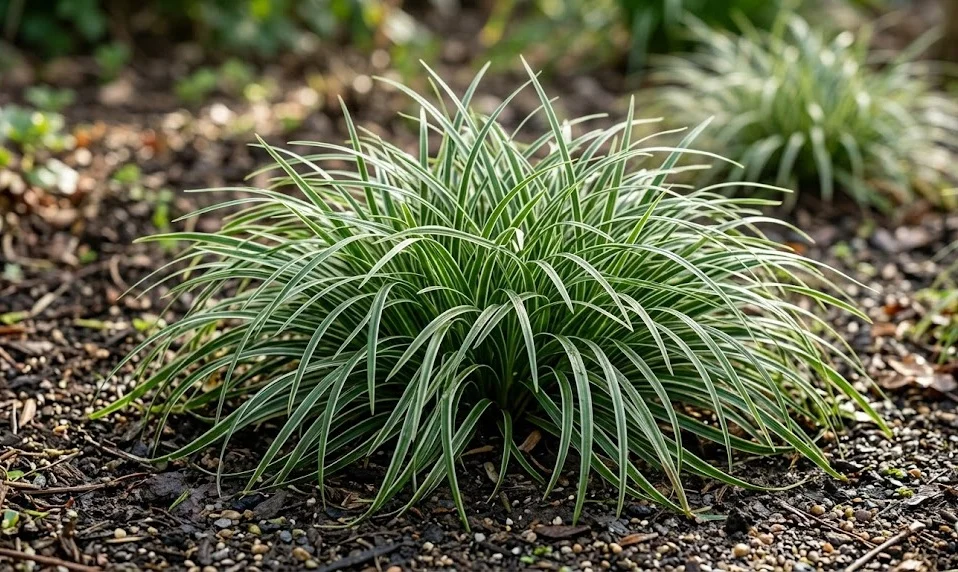

Diseases and pests of japanese sedge are relatively uncommon, as this plant is known for its robust nature and high resistance to most garden problems. However, even the hardiest plants can face challenges when environmental conditions are unfavorable or when pathogens are introduced to the garden. You must be able to recognize the early signs of trouble to prevent a minor issue from becoming a significant threat to your landscape. A combination of good cultural practices and vigilant observation is the best defense against the various organisms that might attack your sedge.
Fungal diseases are the most frequent issues you will encounter, often appearing when there is an excess of moisture and poor air circulation around the plant. These pathogens can cause unsightly spots on the leaves or lead to the total collapse of the plant’s crown if left unchecked. You should look for any unusual discoloration, fuzzy growth, or sudden wilting that doesn’t improve with watering as potential indicators of a fungal infection. Early detection allows you to take corrective action before the fungus spreads to neighboring plants in your garden beds.
The physical structure of the sedge, with its dense and arching foliage, can sometimes create a humid microclimate that favors the growth of mold and mildew. You can reduce this risk by ensuring that the plant is not overcrowded and that the surrounding area is kept free of decaying organic debris. Thinning out the foliage slightly or moving the plant to a spot with better air movement can often resolve recurring fungal problems without the need for chemicals. Maintaining a clean and airy environment is a simple yet powerful way to keep your sedge healthy and disease-free.
While insects are rarely a major problem, some sap-sucking pests can occasionally find their way onto the leaves of the japanese sedge. These tiny invaders can weaken the plant over time and may even transmit viral diseases as they move from one specimen to another. You should regularly inspect the undersides of the leaves and the tight spaces near the crown where pests like to hide and reproduce. If you catch an infestation in its early stages, you can usually manage it with non-toxic methods that preserve the overall health of your garden ecosystem.
Common fungal infections and crown rot
Crown rot is perhaps the most serious disease that can affect japanese sedge, typically caused by various soil-borne fungi that thrive in overly wet conditions. This condition attacks the base of the plant where the stems meet the roots, causing the tissue to turn brown, mushy, and eventually die. You will first notice the outer leaves turning yellow and falling away, followed by the entire clump becoming loose in the soil. Once crown rot has taken a firm hold, it is very difficult to save the affected plant, making prevention the only truly effective strategy.
More articles on this topic
To prevent crown rot, you must ensure that your sedge is planted in well-draining soil and that the crown is not buried too deeply beneath the surface. You should also avoid overwatering, especially during the cooler months when evaporation is slow and the plant’s metabolism has decreased. If you identify a plant with early symptoms of rot, you can try to save it by digging it up, removing the damaged sections, and replanting it in a drier location. However, it is often safer to remove and destroy the infected plant to prevent the fungi from spreading through the soil to other healthy sedges.
Leaf spot is another fungal issue that can detract from the ornamental value of the foliage, manifesting as small, dark lesions on the leaf blades. These spots are usually caused by water splashing from the soil onto the leaves during rain or irrigation, carrying fungal spores with it. While leaf spot is rarely fatal, a severe infection can make the plant look messy and reduce its ability to photosynthesize effectively. You can manage this by using drip irrigation instead of overhead sprinklers and by removing the most heavily affected leaves to reduce the source of new spores.
Rust is a less common but still possible fungal disease that appears as orange or reddish pustules on the undersides of the leaves. This fungus requires specific environmental conditions to thrive, typically moderate temperatures and high humidity over an extended period. If you notice rust on your japanese sedge, you should increase the spacing between plants to improve airflow and reduce the duration of leaf wetness. Fungicidal treatments are available but should only be used as a last resort when cultural adjustments have failed to control the spread of the disease.
Pest identification and management strategies
Aphids are one of the few insect pests that may occasionally target the tender new growth of japanese sedge during the spring. These small, soft-bodied insects congregate in large numbers and suck the nutrient-rich sap directly from the plant’s tissues. You will notice that infested leaves may become distorted or curled, and you might see a sticky substance known as honeydew on the foliage. A strong stream of water from a garden hose is often enough to dislodge aphids and keep their population under control without harming the plant.
More articles on this topic
Slugs and snails can be a nuisance, especially in the moist and shaded areas where this sedge is most frequently planted. These nocturnal mollusks feed on the leaves, leaving behind irregular holes and characteristic silvery slime trails as they move. While they rarely kill a mature plant, they can cause significant aesthetic damage to the beautiful arching blades of the sedge. You can manage slug populations by removing their hiding places, such as large rocks or thick layers of debris, and by using non-toxic barriers like copper tape or crushed eggshells.
Spider mites are a potential problem during hot, dry periods when the plant is under stress from low humidity and high temperatures. These nearly invisible pests live on the undersides of the leaves and spin fine webs, causing the foliage to look stippled or dusty. You can prevent mite infestations by keeping the plant well-watered and occasionally rinsing the leaves to increase the local humidity. If mites become a serious issue, an application of insecticidal soap or neem oil can be effective, provided it is applied thoroughly to all leaf surfaces.
Mealybugs are another sap-sucking insect that can occasionally hide in the tight crevices at the base of the sedge’s stems. They look like small, white, cottony masses and can be difficult to spot until their population has grown quite large. Mealybugs weaken the plant by stealing its energy and can cause stunted growth or a general loss of vigor. You can treat localized infestations by dabbing the insects with a cotton swab soaked in rubbing alcohol or by using a targeted application of an organic horticultural oil.
Preventive measures and garden hygiene
The best way to deal with diseases and pests is to prevent them from ever gaining a foothold in your garden through rigorous hygiene and care. You should always use clean, sharp tools when pruning or dividing your sedges to avoid introducing pathogens through open wounds. Disinfecting your shears with a mild bleach solution or rubbing alcohol between plants is a professional practice that significantly reduces the risk of cross-contamination. This simple habit is one of the most effective ways to maintain a healthy collection of plants over many years.
Keeping the area around your japanese sedge free of weeds and fallen debris removes the primary breeding grounds for many pests and diseases. Weeds can act as “bridge hosts,” harborous insects or fungi that eventually move onto your ornamental plants. Fallen leaves from nearby trees should be cleared away promptly, as they can trap moisture against the crown and encourage rot during the winter. A clean garden bed not only looks better but is also a much healthier environment for your sedge to grow and thrive.
Proper plant spacing is a critical component of disease prevention that is often overlooked during the initial planting phase. You must consider the mature size of the sedge and give each plant enough room to develop its full shape without touching its neighbors too closely. Good air circulation is the natural enemy of most fungal pathogens, as it helps the foliage dry quickly after rain or dew. If your plants have grown too large and are overcrowding each other, performing a division in the spring can restore the necessary airflow and improve overall health.
Choosing the right location for your sedge is also a form of preventive medicine, as a stressed plant is much more susceptible to attack. A sedge planted in too much sun will have weakened tissues that are easier for pests to penetrate, while one in too much shade might stay wet for too long. By matching the plant to its ideal environmental conditions, you are boosting its natural immune system and making it less attractive to opportunistic pathogens. A healthy, happy plant is always your first and best line of defense against any garden trouble.
Integrated pest management and organic solutions
When a problem does arise, you should adopt an integrated pest management approach that prioritizes the least harmful interventions first. This means starting with physical controls, such as hand-picking large pests or washing the foliage with a strong spray of water. You should also encourage the presence of natural predators like ladybugs, lacewings, and birds that feed on the insects that bother your plants. By fostering a balanced ecosystem, you are letting nature do much of the hard work of pest control for you.
If you must use a treatment, choose organic options like neem oil, insecticidal soaps, or horticultural oils that have a lower impact on the environment. These products work by physical means, such as smothering the insects or disrupting their feeding, rather than through toxic chemical actions. Always read the label carefully and apply these treatments during the cooler parts of the day to avoid damaging the sensitive leaves of the sedge. It is also a good idea to test the product on a small section of the plant first to ensure there is no adverse reaction.
Avoid using broad-spectrum synthetic pesticides, as these can kill beneficial insects along with the pests, leading to even bigger problems in the future. When you eliminate the natural predators, the pest populations can often rebound even more strongly because there is nothing left to keep them in check. These chemicals can also harm the soil life and may eventually wash into the groundwater, causing wider ecological damage beyond your garden. A targeted and thoughtful approach to pest management is much more sustainable and effective in the long run.
Finally, remember that a few minor holes in the leaves or an occasional aphid is not a reason for alarm in a healthy garden. A truly professional gardener understands that a perfectly sterile environment is neither possible nor desirable for a living landscape. Your goal should be to keep the pest and disease levels below the threshold where they cause significant harm to the plant’s health or beauty. By accepting a small amount of natural imperfection, you can enjoy a more relaxed and ecologically vibrant relationship with your garden and your sedges.
Long-term health monitoring and recovery
Long-term success with japanese sedge involves developing a “gardener’s eye” for the subtle changes that indicate the beginning of a problem. You should make it a habit to walk through your garden regularly and look closely at your plants from different angles. Notice the color of the new leaves, the strength of the stems, and the general density of the mound to gauge the plant’s overall vitality. This routine observation allows you to catch issues when they are small and much easier to manage with simple cultural adjustments.
If a plant has suffered from a significant pest or disease event, you should give it extra care and attention during its recovery phase. This might include providing supplemental water to reduce stress or applying a light top-dressing of compost to boost its nutrient levels. You should avoid any heavy pruning or division until the plant has fully regained its strength and shows clear signs of new, healthy growth. Patience is essential, as the sedge may take a full growing season or more to return to its previous level of ornamental beauty.
In some cases, a recurring problem might be a sign that the plant is simply in the wrong location for your specific garden microclimate. If a sedge constantly suffers from fungal issues despite your best efforts, it may need a spot with more light or better drainage. Don’t be afraid to move a struggling plant to a new area where it might have a better chance of thriving on its own. Gardening is a constant process of learning and adaptation, and moving a plant is often the best solution for both the gardener and the sedge.
Ultimately, the best way to ensure the long-term health of your japanese sedge is to stay committed to the basics of good horticultural care. When you provide the right light, soil, and water, you are creating a resilient plant that can naturally resist most of the challenges it will face. A well-cared-for sedge will reward you with years of beautiful, evergreen foliage and a sense of calm and structure in your garden. By treating the plant with respect and understanding, you can overcome any pest or disease hurdles that come your way.