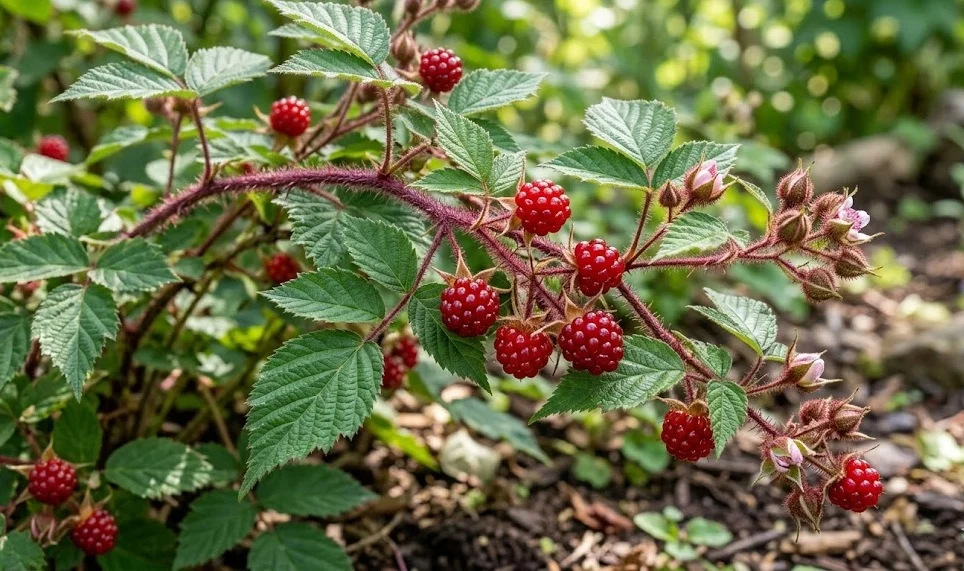

Understanding the light requirements of Japanese wineberry is essential for optimizing both the health of the plant and the quality of its fruit. While many woodland-derived berries are known for their shade tolerance, the wineberry has specific preferences that balance its forest origins with its high energy needs. A professional placement strategy ensures that the shrub receives enough solar energy to fuel its vigorous growth without suffering from environmental stress. By carefully managing light exposure, you can achieve the perfect balance of lush foliage and sweet, abundant harvests.
Optimal exposure for fruit production
The Japanese wineberry performs at its absolute best when it is grown in full sun, which typically means at least six to eight hours of direct sunlight per day. Sunlight is the primary driver of photosynthesis, providing the energy the plant needs to create the sugars that make the berries sweet and flavorful. In full sun, the plant tends to grow more compactly and produce a higher density of fruiting clusters compared to those in shaded areas. If your goal is a commercial-grade harvest, a sunny location is non-negotiable for the most productive plants.
In addition to flavor, sunlight plays a crucial role in the physical development and ripening of the berries. The intense red color of the wineberry is partly a response to light exposure, which helps the fruit develop its full spectrum of antioxidants and nutrients. Berries grown in deep shade often remain pale and may never achieve the deep, translucent red that signifies peak ripeness. A sunny position also ensures that the fruit ripens evenly across the entire shrub, making the harvest more efficient and predictable.
Sunlight also serves as a natural disinfectant, helping to keep the foliage dry and reducing the pressure from fungal diseases. The UV rays from the sun can inhibit the growth of certain spores that thrive in damp, dark environments. By placing your wineberry patch in a bright, open area, you are using the environment to your advantage to maintain plant health. This proactive approach to light management is a key component of a professional and sustainable gardening strategy.
When planning your garden layout, consider the path of the sun throughout the entire growing season. A spot that is sunny in the early spring may become shaded by nearby trees as they leaf out in the summer. It is important to choose a location that remains bright during the peak months of June, July, and August when the fruit is developing. Long-term success with wineberries depends on this foresight and a deep understanding of the seasonal light patterns on your land.
More articles on this topic
Shade tolerance and forest origins
Despite its preference for sun, the Japanese wineberry is remarkably tolerant of partial shade, a trait it carries from its origins on the edges of forests. In the wild, these plants often grow in “dappled sunlight” where they are protected from the harshest midday rays by a canopy of taller trees. This means that if your garden does not have a perfect full-sun spot, you can still successfully grow wineberries in a location with four to six hours of light. However, you should expect some trade-offs in terms of overall vigor and fruit quantity.
Plants grown in shadier conditions tend to have a more “leggy” growth habit as they stretch toward the available light. The canes may become longer and thinner, and the internodes—the space between leaves—will be more pronounced. While this more open structure can be aesthetically pleasing in a woodland garden, it often requires more careful support to prevent the canes from flopping over. Understanding these structural changes allows you to adjust your pruning and trellising techniques accordingly.
In hotter climates, a bit of afternoon shade can actually be beneficial for the wineberry, protecting it from the most intense heat of the day. If the temperatures in your region regularly exceed thirty degrees Celsius, a spot with morning sun and afternoon protection might result in less stress for the plant. This balance prevents the leaves from scorching and ensures that the berries do not shrivel before they are fully ripe. Professional growers in warm regions often use this “part-shade” strategy to maintain fruit quality during summer heatwaves.
When growing in partial shade, it is even more important to manage the airflow around the plants to compensate for the lack of drying sunlight. Spacing the shrubs further apart and being more aggressive with thinning the canes can help prevent the moisture-related issues that shade can exacerbate. You should also monitor the fruit more closely for ripeness, as it may take a few days longer to reach its peak flavor than berries in full sun. Adapting your care to the specific light levels of your site is the hallmark of an expert gardener.
More articles on this topic
Effects of excessive sun and heat stress
While the wineberry loves the sun, there is a limit to how much intense heat and direct radiation it can handle, especially when moisture is lacking. In extremely bright and hot environments, you may notice signs of sunscald on the ripening fruit. This appears as white or pale patches on the berries where the delicate tissues have literally been “cooked” by the sun. Sunscald not only ruins the appearance of the fruit but also affects its flavor and storage potential.
Heat stress can also manifest in the foliage, causing the leaves to wilt even when the soil is relatively moist. When the rate of transpiration—the process of water evaporating from the leaves—exceeds the roots’ ability to supply water, the plant loses its turgidity. If this happens frequently, the plant may start to drop its leaves or abort its developing fruit to conserve resources. Providing extra water and using organic mulches are essential strategies for protecting sun-drenched plants from these negative effects.
In very high-light environments, the characteristic red glandular hairs on the canes may become even more dense and prominent. These hairs actually serve as a form of natural protection, shading the stem and reflecting some of the intense solar radiation. However, if you see the new growth becoming stunted or the tips of the canes turning brown, it may be a sign that the light levels are too high. In such cases, temporary shade cloths can be used during the hottest part of the year to provide some relief.
The key to managing high light levels is ensuring that the plant’s other needs, particularly hydration, are being met perfectly. A well-hydrated plant is much better at cooling itself through evaporation and is more resilient to the physical damage caused by intense UV rays. Professional gardeners often use a combination of deep irrigation and thick mulching to buffer their wineberries against the challenges of a full-sun location. This holistic approach ensures that the sun remains a source of energy rather than a cause of stress.
Seasonal light shifts and adjustments
The quality and intensity of light change significantly as the year progresses, and the wineberry has evolved to respond to these shifts. In the early spring, the increasing day length is a signal for the plant to break dormancy and begin its rapid vegetative growth. The lower angle of the sun during this time allows light to penetrate deeper into the canopy before the surrounding trees are fully leafed out. This early-season light is vital for establishing the strong foundation of leaves that will support the summer’s fruit.
As the summer solstice approaches, the sun reaches its highest point in the sky, providing the most intense energy for the fruiting stage. This is the period when the plant’s demand for light is at its peak, and any shading from overgrown nearby vegetation should be addressed. You might find it necessary to prune back overhanging branches from other trees to ensure your berry patch remains as bright as possible. Maintaining the “light integrity” of your site is an ongoing task for the serious horticulturalist.
In the late summer and autumn, the light begins to mellow and the days shorten, signaling the plant to shift its focus toward dormancy. During this time, the wineberry stops producing new foliage and starts storing sugars in its root system for the winter ahead. The softer light of autumn is perfect for this transition, allowing the canes to harden off without the stress of intense summer heat. Properly timed late-season care respects this natural rhythm and prepares the plant for the cold months to come.
Understanding these seasonal light dynamics allows you to be more proactive in your garden maintenance throughout the entire year. You can plan new plantings or structural changes based on how the light moves across your property in different months. A professional perspective on light requirements goes beyond just “sun or shade” and considers the complex interplay between the plant and its environment. By honoring the wineberry’s light preferences, you create a garden that is both beautiful and highly productive.