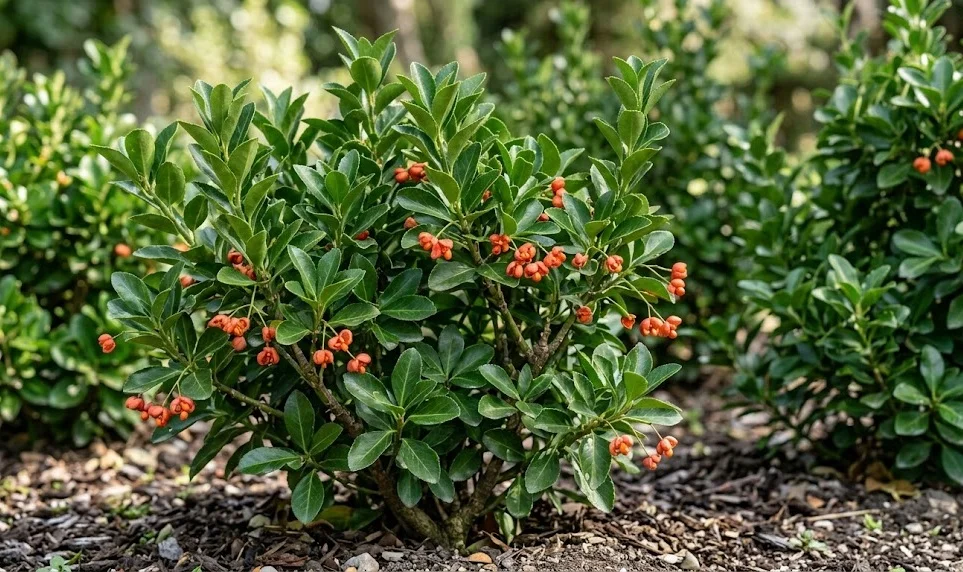

Proper hydration and nutrient management are the cornerstones of maintaining a vibrant and healthy evergreen shrub throughout the year. You should aim for a watering schedule that keeps the soil consistently moist but never waterlogged or swampy. Understanding how the plant uses water during different growth phases will help you avoid the common pitfalls of overwatering. A balanced approach to nutrition ensures that the foliage stays dense and the root system remains strong and resilient.
During the first year after planting, you must be particularly diligent about checking soil moisture levels frequently. Young plants do not yet have the deep root systems required to tap into underground water reserves. You should water deeply at the base of the plant rather than giving frequent, shallow sprinkles. This practice encourages the roots to grow deeper into the soil, making the plant more drought-tolerant in the future.
Seasonal adjustments to your watering routine are necessary to account for changes in temperature and evaporation rates. In the peak of summer, you may need to water every few days if there is no significant rainfall in your area. During the cooler autumn and winter months, the plant’s metabolic rate slows down, and it will require much less supplemental water. Always feel the soil a few inches below the surface before deciding to add more moisture to the garden.
Fertilizing should be done with a focus on supporting steady growth rather than forcing rapid, weak shoots. You can apply a balanced, slow-release fertilizer in early spring as the new growth begins to emerge from the buds. This provides a steady supply of nutrients over several months, which is much better for the plant’s long-term health. Avoid heavy nitrogen applications late in the season, as this can stimulate soft growth that is easily damaged by frost.
Nutrient deficiencies can often be identified by changes in the appearance of the leaves, such as yellowing between the veins. If you notice these signs, it may be time to test your soil pH to ensure that nutrients are actually available to the plant. Sometimes the minerals are present in the soil, but the plant cannot absorb them because the ground is too acidic or alkaline. Adding organic mulch around the base will help stabilize the soil environment and slowly release micronutrients over time.
More articles on this topic
Consistent monitoring of the plant’s response to your watering and feeding schedule will help you fine-tune your care. You will soon learn to recognize the subtle signs of thirst, such as a slight loss of leaf glossiness. Over-fertilizing can lead to salt buildup in the soil, which might eventually burn the sensitive root tips. By staying observant and moderate in your approach, you will maintain a perfectly balanced environment for your shrubs to thrive.