
Maintaining the health of these robust shrubs involves a professional commitment to regular monitoring and early intervention when problems arise. You will find that while this species is naturally resistant to many common garden ailments, it is not completely immune to every threat. Your goal is to identify potential issues before they can significantly impact the growth or fruit production of your plants. A proactive and knowledgeable approach to plant pathology is essential for any serious gardener or orchard manager.
Fungal infections are the most common health challenges you might encounter when growing this plant in a variety of different climates. You should look for unusual spots, powdery coatings, or discolored patches on the leaves as the first signs of a fungal outbreak. These problems often flourish in humid conditions or when the foliage remains wet for extended periods during the spring and summer. Understanding the conditions that favor these pathogens allows you to take preventive steps to keep your shrubs safe and healthy.
Maintaining excellent air circulation around and through the canopy of the shrub is one of the best ways to prevent fungal spores from taking hold. You should prune the interior of the plant to ensure that light and air can reach every branch and leaf surface effectively. This simple cultural practice reduces the humidity within the shrub and creates an environment that is much less hospitable to disease. A professional pruning routine is not just about shape, but also about the long-term health and vitality of the specimen.
You must also be vigilant about the health of the wood and the bark, checking for any signs of canker or rot that could weaken the structure of the plant. These issues often enter through physical wounds caused by improper pruning or accidental mechanical damage in the garden. If you find any infected wood, it should be removed promptly with sterilized tools to prevent the disease from spreading further into the main stems. Protecting the integrity of the plant’s vascular system is vital for its continued survival and productivity.
Identifying leaf spots
Leaf spot diseases can be caused by several different types of fungi and bacteria that thrive in the damp conditions of early spring. You might notice small, dark circles appearing on the foliage, which can eventually merge and cause the entire leaf to turn yellow and drop. While this rarely kills a mature plant, it can significantly reduce its ability to produce energy and lead to a smaller fruit crop. Identifying the specific cause of the spots is the first step in choosing the right professional treatment for your garden.
More articles on this topic
Anthracnose is one of the most frequent leaf diseases you will see, often appearing during particularly wet and cool spring seasons. You should monitor the new growth carefully, as this is where the symptoms are most likely to show up first as the leaves expand. If the infection is severe, you can use organic copper-based sprays to protect the remaining healthy foliage and stop the spread of the spores. Proper timing and application are key to getting the best results from any treatment you decide to use.
You should also be aware of the impact that environmental stress can have on the appearance of the leaves, which can sometimes mimic disease symptoms. Leaf scorch from sun or wind can look similar to certain fungal infections but requires a completely different management strategy in the garden. Taking the time to observe the pattern of the damage and its relationship to the weather will help you make an accurate diagnosis. Professional care is built on the foundation of accurate information and careful observation of the plant’s reactions.
Cleaning up fallen leaves in the autumn is a critical step in managing leaf spot diseases over the long term in your orchard. Many of these pathogens overwinter in the leaf litter and will re-infect the plant as soon as the weather warms up in the spring. By removing and composting this material properly, you are breaking the disease cycle and starting the new season with a much cleaner environment. This practice of garden hygiene is one of the most effective ways to maintain professional health standards.
Insect pests
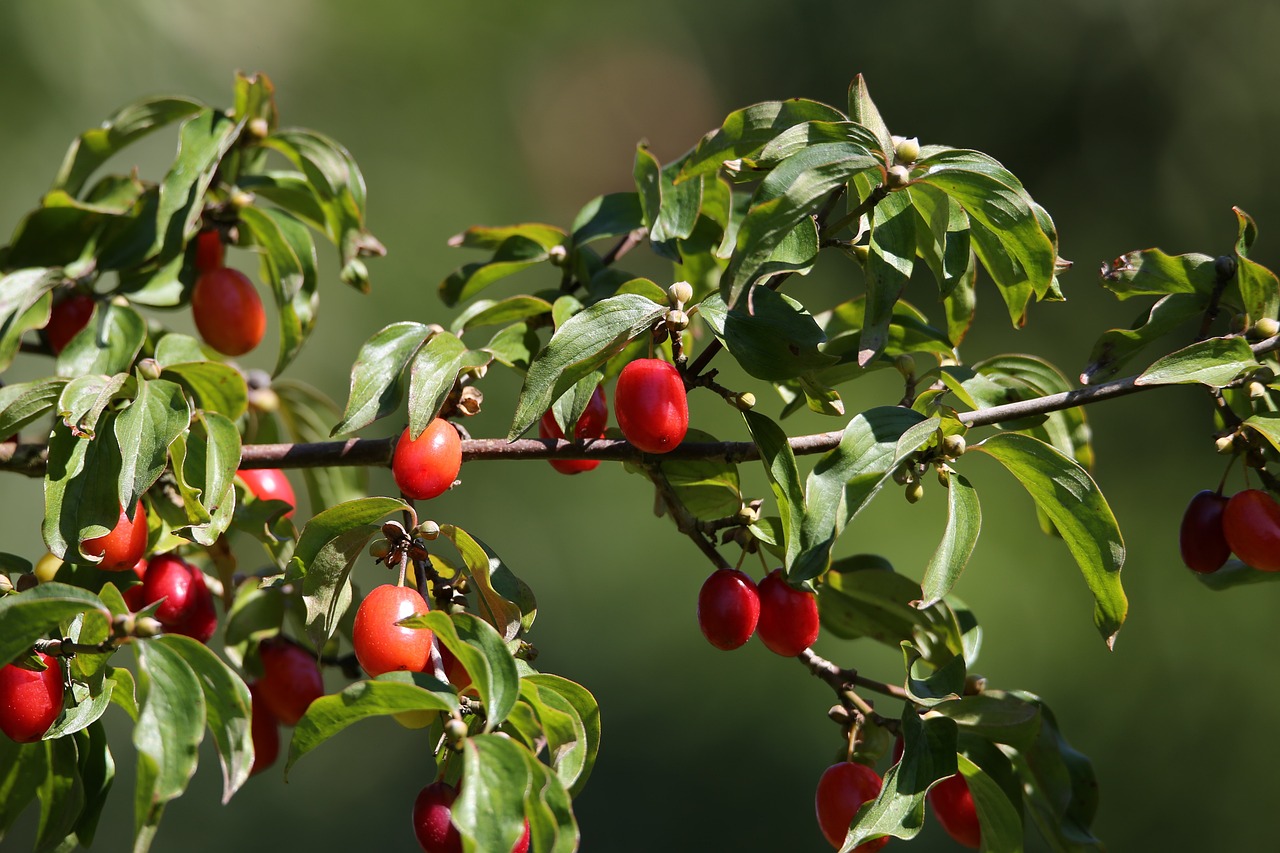
While the cornelian cherry is not a favorite host for many common insects, there are a few pests that you should keep an eye out for. Scale insects can sometimes attach themselves to the branches and stems, sucking the sap and weakening the plant over several seasons. You will find that these pests often look like small bumps on the bark and can be difficult to notice until the population has grown significantly. A professional inspection of the wood during the dormant season is the best way to catch these issues early.
More articles on this topic
Aphids can occasionally cluster on the tender new growth in the spring, causing the leaves to curl and become distorted as they develop. You can usually manage these pests with a strong stream of water from the garden hose or by encouraging natural predators like ladybugs to move in. It is important to avoid using broad-spectrum insecticides that could harm the beneficial insects that help keep your garden in balance. A healthy ecosystem is your best defense against many common insect problems in the landscape.
The fruit itself can sometimes be targeted by various flies or wasps as it begins to ripen and the sugar levels start to rise. You might consider using organic traps or fine netting to protect the harvest if these pests become a significant problem in your area. Monitoring the ripening fruit daily allows you to harvest the berries as soon as they are ready, reducing the window of opportunity for insects to cause damage. Protecting the quality of the fruit is a top priority for anyone growing this plant for culinary purposes.
Borers are a more serious threat that can tunnel into the trunk and branches, causing significant structural damage and even the death of the shrub. You should look for small exit holes in the bark or piles of sawdust-like material at the base of the plant as signs of their presence. Keeping your shrubs healthy and well-watered is the best way to prevent borer attacks, as they tend to target plants that are already under stress. A professional maintenance routine is the foundation of a strong defense against these destructive pests.
Preventive measures
Prevention is always more effective and professional than trying to cure a disease once it has already become established in your garden. You should start by selecting only the healthiest plants from reputable nurseries to ensure that you are not introducing pathogens to your site. Quarantining new arrivals for a few weeks before planting them in their permanent positions can also help you identify any hidden issues. This careful approach to plant acquisition is a hallmark of an expert gardener who values the health of their entire collection.
Using the right tools and keeping them clean is another essential part of your preventive strategy for maintaining a healthy cornelian cherry. You should always sterilize your pruning shears and saws with alcohol or a mild bleach solution between every plant you work on. This simple step prevents the accidental transfer of diseases from one specimen to another as you move through your garden or orchard. Professional standards of hygiene are just as important in the garden as they are in any other technical field.
Choosing the right planting site with adequate sun and drainage also goes a long way toward preventing many common health problems. Plants that are grown in the correct conditions are naturally more resilient and better able to fight off infections on their own. You should avoid overcrowding your shrubs, as this creates the stagnant air and high humidity that pathogens love to exploit. Giving each plant enough space to thrive is a fundamental principle of professional horticultural design and management.
Regularly testing your soil and providing the correct balance of nutrients keeps the plant’s internal defense systems functioning at their peak. You will find that a well-nourished plant can often survive and recover from minor pest or disease attacks that would devastate a weaker specimen. Your role is to provide the building blocks of health, allowing the cornelian cherry to use its own natural resistance to stay strong. Consistent and professional care is the best way to ensure a long and productive life for your shrubs.
Natural control methods
When problems do occur, you should prioritize natural and organic control methods to protect the health of your garden and the quality of your fruit harvest. You can use botanical oils or insecticidal soaps to manage many common pest outbreaks without leaving harmful residues on the berries. These products work by physical contact and are much safer for the environment and the beneficial organisms that live in your soil. Using these professional tools correctly allows you to solve problems while maintaining your commitment to sustainable gardening.
Encouraging biodiversity in your garden is one of the most effective ways to manage pests naturally over the long term. By planting a wide variety of flowers and providing habitats for birds and predatory insects, you are creating a self-regulating system that keeps pest populations in check. You will find that a garden full of life is much less prone to the sudden outbreaks that can occur in more sterile or monocultural environments. This holistic view of garden health is a key component of an expert approach to land management.
For fungal issues, you can explore the use of beneficial microbes or compost extracts that compete with the pathogens and protect the plant’s surfaces. These biological controls are a sophisticated and professional way to manage disease while actually improving the overall health of the ecosystem. Applying these treatments in a regular cycle can build up a protective barrier that prevents many common infections from ever getting started. Innovation and a deep understanding of natural processes are what define the modern professional gardener.
Finally, you should accept that a small amount of damage is a natural part of any healthy garden and does not always require an immediate chemical response. Learning to tolerate minor imperfections allows you to focus your energy on the most significant issues that truly threaten the health or productivity of your plants. Your goal is to find a balance where the cornelian cherry can thrive in a vibrant, living environment that produces high-quality fruit for your table. Professionalism in the garden is about wisdom, patience, and a deep respect for the complexity of nature.