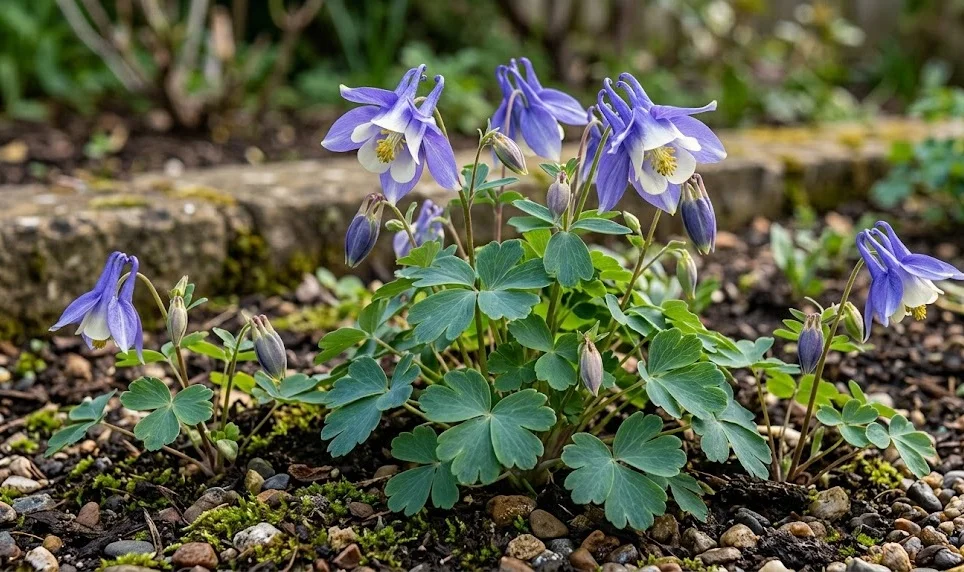

Pruning is an essential maintenance task that helps to keep the fan columbine looking its best while also promoting its long-term health and vigor. While this plant does not require the extensive pruning that some woody shrubs might, a few well-timed cuts can significantly impact its performance. Whether you are removing spent flowers to encourage more blooms or cleaning up the foliage at the end of the season, the goal is always to support the plant’s natural growth habits. Learning the proper techniques for cutting back this delicate perennial will elevate the quality of your garden display.
The most frequent type of pruning you will perform on the fan columbine is known as deadheading, which is the removal of the flowers as they begin to fade. This practice prevents the plant from putting its limited energy into seed production and instead encourages it to maintain its beautiful foliage. In some cases, prompt deadheading can even stimulate a second, smaller flush of flowers later in the season. It is a simple task that can be done in just a few minutes during your regular garden walk-throughs.
As the season progresses, the foliage can sometimes start to look a bit tired or may be affected by minor pest damage. Cutting back the most unsightly leaves not only improves the appearance of the plant but also encourages the crown to produce a fresh set of new growth. This rejuvenation is particularly effective in mid-summer if the weather has been hot and dry. By being proactive with your pruners, you ensure that the plant remains a positive addition to the garden landscape throughout the entire year.
Finally, the end-of-season pruning is a vital step in preparing the plant for its winter dormancy and the following spring. Removing the old, dead material clears the way for new shoots and helps to prevent the buildup of pests and diseases. Each cut should be made with a sharp, clean tool to ensure the plant heals quickly and remains healthy. This cycle of pruning and growth is part of what makes perennial gardening so rewarding and dynamic for the home horticulturist.
Deadheading for prolonged beauty and vigor
To deadhead the fan columbine correctly, you should follow the flower stem down to where it meets the first set of healthy leaves and make a clean cut. Avoid leaving long, unsightly stubs, as these can die back and become a target for fungal infections. By removing the spent blooms before they have a chance to form seed pods, you signal to the plant that it should continue to invest in its vegetative health. This is especially important for younger plants that are still building their root systems and need all the energy they can get.
More articles on this topic
If you are particularly fond of the variety you are growing, you might choose to leave a few of the last flowers of the season to develop seeds. The seed pods of the columbine are quite architectural and can add interest to the garden as they dry and turn brown. Once the pods have split open and the small, black seeds have been dispersed, you can then cut the stems back to the ground. This balance between tidiness and natural reproduction allows you to enjoy the best of both worlds in your garden design.
Regular deadheading also has the added benefit of keeping the garden beds looking neat and well-maintained. Faded flowers can quickly become brown and mushy, especially after a rain, which can detract from the beauty of the surrounding foliage. Taking the time to snip them off keeps the focus on the vibrant colors and interesting textures of the plant. It is a meditative task that allows you to get up close and personal with your plants, giving you a chance to check for any other issues that might need attention.
In some larger garden settings, you might choose to use garden shears to quickly “haircut” a whole group of columbines once the main flowering period has ended. While less precise than individual deadheading, this method is efficient and still provides many of the same benefits for the plant’s health. Regardless of the method you choose, the key is to act before the plant has fully committed its resources to seed production. This strategic intervention is a hallmark of a professional approach to perennial maintenance.
Mid-season rejuvenation and foliage management
By mid-to-late summer, the foliage of the fan columbine can sometimes begin to show signs of stress, such as yellowing or the characteristic trails of leaf miners. If more than a third of the leaves are affected, it is often best to perform a more significant pruning to rejuvenate the mound. You can safely cut the entire plant back to within five or ten centimeters of the crown, leaving just the youngest, healthiest leaves at the center. This might seem drastic, but the plant will quickly respond with a flush of fresh, vibrant growth that looks as good as it did in the spring.
More articles on this topic
After such a significant cut, it is important to provide the plant with a little extra care to help it recover. Ensure the soil remains consistently moist and consider applying a very dilute liquid fertilizer to support the new growth. The fresh leaves that emerge will be much more resistant to the pests and diseases that often plague older foliage in the late summer heat. This simple technique can effectively “reset” the plant and extend its visual appeal well into the autumn months.
Foliage management also involves keeping an eye on the density of the plant mound as it grows over several years. If the center of the plant becomes too thick, air circulation can be restricted, leading to the fungal issues discussed in previous sections. You can selectively thin out some of the internal leaves to allow more light and air to reach the crown. This more surgical approach to pruning is a great way to maintain the health of a prized specimen without changing its overall shape or size.
Remember that the goal of mid-season pruning is not to change the plant’s natural form but to support its continued vigor. Each plant will respond slightly differently depending on the weather and its overall health, so use your best judgment as you work. The fan columbine is a resilient species that is very forgiving of pruning errors, making it a great subject for learning these essential garden skills. With a little practice, you will develop a feel for exactly when and how much to cut back for the best results.