
The japanese columbine is a remarkably resilient and aesthetically pleasing perennial that brings a touch of elegance to any temperate garden setting. This plant is characterized by its compact growth habit and uniquely shaped, nodding flowers that typically appear in late spring or early summer. Understanding its natural alpine origins is the first step toward providing the right environment for it to thrive over several seasons. Successful cultivation requires a balance of attentive observation and a light touch, allowing the plant to establish itself within a suitable microclimate.
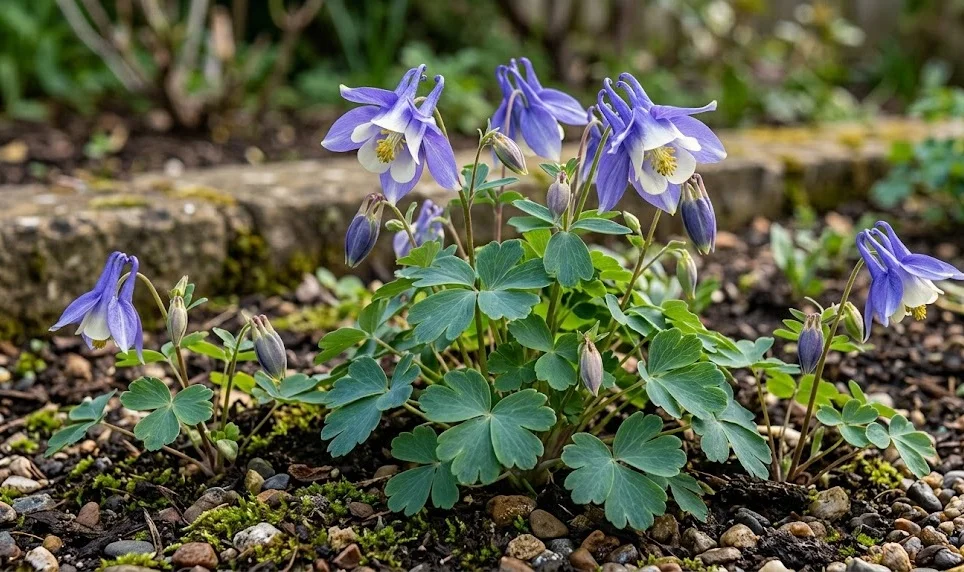
The structural integrity of the plant is one of its most defining features, as it maintains a neat mound of blue-green, fern-like foliage even when it is not in full bloom. Gardeners often appreciate how the leaves remain attractive throughout the growing season, provided the plant is kept away from extreme heat and drought. The flowers themselves are typically a soft lavender or blue, though white varieties are also common in specialized nurseries. These blossoms are designed by nature to attract pollinators, especially long-tongued insects like bumblebees, which are essential for a healthy garden ecosystem.
Because of its modest size, this species is an excellent candidate for rock gardens, alpine troughs, or the front of a perennial border. It rarely exceeds thirty centimeters in height, making it a perfect choice for adding detail to smaller garden spaces without overwhelming neighboring plants. Its presence adds a layer of sophistication and texture that contrasts beautifully with coarser-leaved perennials. By placing it in a prominent position, you can enjoy the intricate details of its spurred petals and delicate stems during its peak flowering period.
Maintaining the health of this perennial involves more than just planting it in the ground and leaving it to fend for itself. It is a plant that rewards consistency, particularly when it comes to monitoring the moisture levels of the surrounding soil. While it is hardy, it does not tolerate neglect as well as some more aggressive garden species might. Observing the plant’s response to changing weather patterns will help you determine if it needs additional support during the height of the summer.
Optimal soil conditions and preparation
Creating the right foundation for your japanese columbine begins with a thorough assessment of the soil quality and its drainage capabilities. This species prefers a soil that is rich in organic matter but retains a gritty texture to ensure that excess water can move away from the crown. If your garden has heavy clay soil, it is advisable to incorporate plenty of compost and perhaps some sharp sand or fine gravel before planting. This preparation prevents the roots from sitting in water, which is the primary cause of plant failure during the winter months.
More articles on this topic
A slightly acidic to neutral pH is ideal for promoting the most vibrant flower colors and healthy foliage growth. You can test your soil’s acidity using a simple home kit to ensure it falls within the range of 6.0 to 7.0. If the soil is too alkaline, adding leaf mold or sulfur-based amendments can help bring the levels down to a more favorable point. Consistently healthy soil leads to a stronger root system, which in turn makes the plant more resistant to environmental stressors.
Aeration is another critical factor that gardeners should not overlook when preparing a bed for these delicate perennials. Compacted soil restricts oxygen flow to the roots and can stunt the overall development of the plant mound. Using a garden fork to loosen the earth deeply before introducing the specimen ensures that the roots can penetrate easily and establish themselves. This effort in the early stages of growth will pay dividends in the form of a more robust and floriferous plant.
Finally, the addition of a slow-release organic fertilizer during the initial soil preparation provides a steady supply of nutrients. Avoid high-nitrogen fertilizers that might encourage excessive leaf growth at the expense of those iconic bell-shaped flowers. A balanced compost mix usually provides everything the plant needs to start its first season on a strong note. Remember that the goal is to mimic the nutrient-rich yet well-drained slopes of its native Japanese mountain habitats.
Site selection and microclimate management
Choosing the right spot in your landscape is a strategic decision that affects the plant’s longevity and flowering potential. The japanese columbine thrives in locations that offer bright, indirect light or morning sun followed by afternoon shade. In cooler climates, it can handle more direct sunlight, but in warmer regions, protection from the midday heat is non-negotiable. Finding a site with good air circulation is also beneficial, as it reduces the risk of stagnant humidity around the dense foliage.
More articles on this topic
The topography of your garden can be used to your advantage when situating this specific variety of columbine. Planting it on a slight slope or in a raised bed can naturally assist with drainage, especially during periods of heavy rainfall. It also looks stunning when nestled against larger stones, which provide a cool root run and a naturalistic aesthetic. The stones act as a heat sink during the day and release warmth slowly, creating a stable environment for the plant.
Wind protection is another factor to consider, as the slender flower stems can be susceptible to damage from strong gusts. While the plant is compact, a sheltered nook or a position near a low hedge can provide the necessary buffer. This protection ensures that the delicate blooms remain upright and visible throughout their short but spectacular display. Observe how the wind moves through your garden during different seasons to identify the most protected pockets.
Integration with other plants should be done with care to ensure the columbine is not crowded out by more vigorous neighbors. It pairs exceptionally well with small ferns, hostas, or other woodland plants that share its preference for moist, shaded conditions. By creating a community of plants with similar needs, you simplify your maintenance routine and create a more cohesive garden design. This ecological approach ensures that every plant in the bed has the space and resources it needs to flourish.
Seasonal maintenance routines
As spring arrives, the first task is to clear away any debris or old mulch that may have accumulated over the winter. This allows the new shoots to emerge through the soil without obstruction and prevents pests from hiding near the crown. A fresh layer of thin mulch can then be applied, taking care not to cover the center of the plant. This mulch helps to retain moisture as the temperatures begin to rise and the plant enters its most active growth phase.
During the peak growing season, regular monitoring of the plant’s hydration is essential, especially if the spring is unseasonably dry. While you want to avoid waterlogging, the soil should never be allowed to dry out completely during the flowering period. Deadheading, or the removal of spent flowers, is a practice that can extend the visual appeal of the plant. By cutting back the old stems, you encourage the plant to put its energy into maintaining its foliage rather than producing seeds prematurely.
Late summer often brings a decline in the appearance of the foliage, particularly if the weather has been hot and humid. If the leaves start to look ragged or show signs of stress, you can trim them back slightly to encourage a fresh flush of growth. This mid-season “haircut” often results in a rejuvenated appearance that lasts until the first frosts of autumn. It is a simple technique that keeps the garden looking tidy and the plant feeling refreshed.
As autumn approaches, the maintenance shift focuses on preparing the japanese columbine for its period of dormancy. Reducing supplemental watering allows the plant to naturally slow down its metabolic processes as the days grow shorter. You can leave the foliage in place until it turns brown, as this provides some natural protection for the crown during the first few cold snaps. This cyclical approach to care respects the plant’s natural rhythms and ensures its return the following year.
Nutrient management and organic support
A professional approach to fertilizing involves understanding that less is often more when it comes to alpine-derived species. Excessive feeding can lead to weak, leggy growth that is more susceptible to pests and disease. Instead of heavy chemical applications, focus on top-dressing the soil with a thin layer of high-quality leaf mold or well-rotted compost each spring. This organic approach provides a gentle release of nutrients that mimics the natural decomposition found in the plant’s native environment.
If you choose to use a commercial fertilizer, a liquid seaweed extract or a balanced fish emulsion is a great choice. These products provide essential trace minerals that strengthen the plant’s cellular structure and enhance its resilience. Apply these solutions at half-strength once every four weeks during the early growth phase until the first buds appear. This controlled feeding schedule ensures the plant has the energy to produce high-quality blooms without being overstimulated.
Observing the color and vigor of the leaves can tell you a lot about the nutrient status of the soil. Yellowing leaves with green veins might indicate a micronutrient deficiency, often related to the soil’s pH preventing absorption. In such cases, a foliar spray can provide a quick fix while you work on long-term soil amendments. Always remember that a healthy soil ecosystem, full of beneficial microbes and earthworms, is the best fertilizer you can provide.
Late-season fertilization should be avoided entirely to prevent the growth of tender new shoots that would be killed by winter frosts. The goal in late summer and autumn is to allow the plant to harden off and store energy in its root system. By timing your nutrient support correctly, you ensure the plant is at its strongest when it matters most. This thoughtful management of resources is a hallmark of an expert gardener’s routine.
Aesthetic integration and design tips
The japanese columbine is a versatile tool for the garden designer, offering both color and sophisticated texture. Because of its diminutive stature, it is best utilized in groups of three or five to create a more significant visual impact. These small drifts of color draw the eye and create a sense of rhythm along a garden path or within a rockery. The soft blue and lavender tones of the flowers are particularly effective at creating a sense of depth and tranquility in a shaded corner.
Consider the color palette of surrounding plants when deciding where to place your columbines. They look stunning next to the chartreuse foliage of certain hostas or the silver-grey leaves of low-growing artemisia. The contrast in leaf shape and color highlights the unique beauty of the columbine’s foliage, making it a focal point even when not in bloom. Designers often use this plant to bridge the gap between early spring bulbs and late summer perennials.
In a container garden, this species can be the star of a mixed spring display, provided the pot has excellent drainage. Use a high-quality potting mix blended with perlite to ensure the roots stay cool and aerated. Containers allow you to move the plant to the perfect viewing spot when it is in full flower and then tuck it away when it enters dormancy. This flexibility is ideal for those with limited garden space or for accenting patios and balconies.
Finally, think about the viewing angle, as the nodding heads of the flowers are often best appreciated from a slightly lower perspective. Planting them in raised beds or along the top of a stone wall allows you to look up into the intricate interior of the blossoms. This perspective reveals the complex geometry of the petals and spurs that might be missed if the plant is strictly on the ground. Such intentional placement turns a simple plant into a conversational piece for any garden visitor.
Long-term health and rejuvenation strategies
Even with the best care, individual columbine plants are not particularly long-lived, usually lasting between three and five years. To maintain a constant presence in your garden, it is wise to allow a few flower heads to go to seed each year. These seeds will drop naturally and often produce young volunteers that can be moved to new locations. This self-seeding habit ensures a multi-generational population that keeps the display fresh without constant replanting.
If you notice a mature plant losing its vigor or the center of the mound becoming sparse, it may be time for rejuvenation. While columbines do not always transplant easily due to their taproots, young offsets can sometimes be successfully moved. The best time for this is in early spring just as the first leaves begin to unfurl from the crown. Handled with care, these new starts will quickly establish themselves and carry on the legacy of the parent plant.
Vigilance against overcrowding is also important for the long-term health of your garden beds. As volunteers emerge, thin them out to ensure that each plant has enough space for proper air circulation and light. Crowded plants are more prone to issues like powdery mildew, which can quickly spread through a dense planting. Maintaining a balance between a full look and a healthy environment is key to a professional-grade garden.
Regularly refreshing the top layer of soil with organic matter helps to maintain the tilth and nutrient levels over the years. This simple act of stewardship ensures that the environment remains welcoming for new seedlings as they take over from older specimens. By viewing the garden as a dynamic, evolving system, you can enjoy the beauty of the japanese columbine for decades. This sustainable approach to gardening is both rewarding and environmentally responsible.