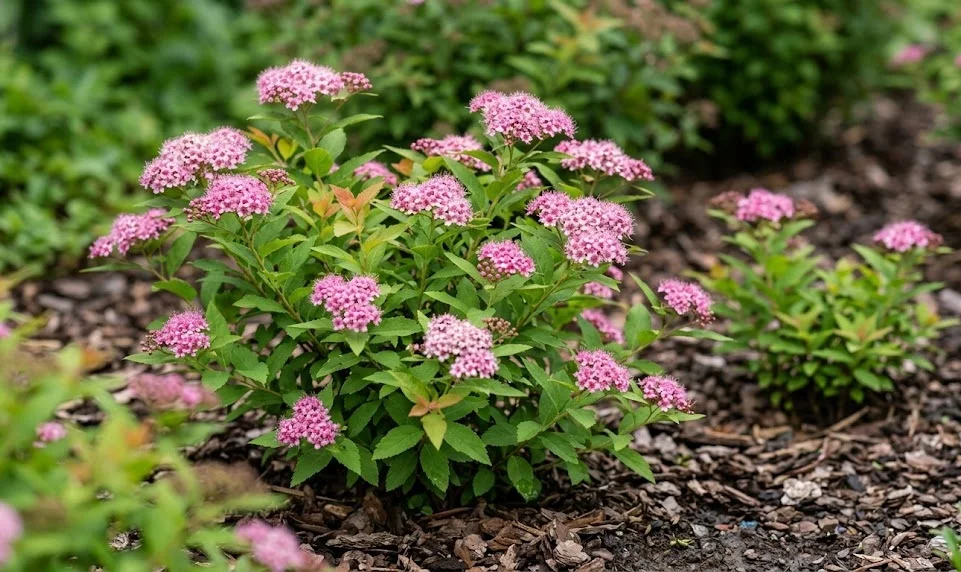

Mastering the art of pruning is essential for maintaining the health and aesthetic appeal of Japanese spirea in a professional garden. These shrubs respond remarkably well to cutting, which allows you to control their size, shape, and flowering potential with great precision. Regular pruning not only keeps the plant looking tidy but also stimulates the growth of new, productive wood that will carry the next season’s blooms. By following a structured pruning schedule and using the right techniques, you can ensure your spirea remains a vibrant and youthful feature of your landscape.
Timing and types of pruning
The most important rule for pruning Japanese spirea is to understand when the plant produces its flower buds. Since this species typically blooms on new wood grown during the current season, the best time for a major pruning is in late winter or very early spring. By cutting the shrub back before the new growth begins, you encourage the development of vigorous stems that will produce a heavy crop of flowers in the summer. This professional timing ensures that you never accidentally remove the developing blooms.
There are several different levels of pruning that you can apply depending on the age and condition of the shrub. “Heading back” involves removing the tips of the branches to encourage a more dense and bushy growth habit. This is often done for younger plants to help them establish a strong and full structure from the beginning. For older, more established shrubs, “thinning” is used to remove entire branches at their base, which improves air circulation and light penetration.
Rejuvenation pruning is a more drastic technique used to restore an old or overgrown Japanese spirea to its former glory. This involves cutting the entire shrub down to within a few inches of the ground in the early spring. While it may look extreme at first, the plant will quickly respond by sending up a flush of fresh, healthy stems from the root system. This process essentially resets the plant’s growth cycle and can be done every few years to keep the shrub looking its best.
Deadheading is a lighter form of pruning that takes place during the summer months after the first flush of flowers has faded. By removing the spent flower clusters, you prevent the plant from wasting energy on seed production and often trigger a second, smaller bloom later in the season. This simple task also keeps the shrub looking clean and prevents it from becoming messy as the old flowers turn brown. Professional gardeners often deadhead their spirea several times during the summer to maintain a polished appearance.
More articles on this topic
Essential tools and techniques
To achieve clean and healthy cuts, you must always use high-quality pruning tools that are sharp and well-maintained. Hand pruners are the most common tool for spirea and are perfect for cutting stems up to about half an inch in diameter. For larger, older branches at the base of the shrub, a pair of sharp loppers may be necessary to provide the required leverage. Always ensure your tools are sterilized with alcohol between plants to prevent the accidental spread of diseases.
When making a cut, you should aim to slice at a 45-degree angle about a quarter of an inch above a healthy bud that is facing away from the center of the plant. This angle prevents water from sitting on the cut surface, which reduces the risk of rot and infection. Pruning to an outward-facing bud ensures that the new growth will move away from the center, keeping the shrub open and airy. This professional technique is the key to maintaining a beautiful and healthy mounded shape.
Avoid “shearing” the Japanese spirea into flat or unnatural geometric shapes unless you are specifically aiming for a formal hedge look. Shearing often leads to a dense outer shell of foliage with a hollow and woody interior, which is not ideal for the plant’s long-term health. Instead, use selective pruning to follow the natural curves and habit of the shrub, which results in a much more graceful and professional appearance. Hand pruning allows for a level of detail that mechanical shears simply cannot match.
Always take a step back and view the shrub from several different angles as you work to ensure a balanced and symmetrical result. It is easy to get carried away and remove too much from one side, so a slow and deliberate approach is always best. Remember that you can always cut more later, but you cannot put a branch back once it has been removed. A thoughtful and professional pruning session should leave the shrub looking refreshed and well-proportioned.
More articles on this topic
Post-pruning care and observations
After a significant pruning session, providing the Japanese spirea with a little extra care will help it recover and grow back quickly. A light application of a balanced fertilizer in the early spring can provide the nutritional boost needed for the rapid new growth. You should also ensure the plant is well-watered, especially if the spring weather is dry, to support the energy-intensive process of rebuilding its canopy. This combined approach of pruning and feeding is the secret to a truly espectacular summer display.
Monitor the new growth closely as it emerges to ensure that it is developing in the way you intended. If you notice any “suckers” or unusually vigorous stems growing straight up from the base, you may want to remove them to maintain the shrub’s shape. This is also a good time to check for any signs of pests that might be attracted to the tender new leaves. Early intervention at this stage ensures that your hard work during the pruning process is not undone by environmental factors.
Documenting your pruning activities and the plant’s subsequent reaction will help you refine your technique over time. Note how far back you cut each year and how the flowering responded in terms of timing and intensity. Every garden is unique, and learning how your specific spirea varieties react to your local climate and your pruning style is a professional habit. This knowledge will make you a more confident and effective gardener with every passing season.
In conclusion, pruning is a powerful tool that allows you to direct the growth and beauty of your Japanese spirea. Whether you are performing a light summer deadheading or a major spring rejuvenation, each cut should be made with a clear purpose in mind. With the right timing, tools, and techniques, your spirea will remain a healthy, compact, and floriferous highlight of your garden. Proper pruning is an investment in the future beauty of your landscape that pays off year after year.