
Understanding the specific light requirements of Japanese spirea is fundamental to achieving professional results in any landscape design. This versatile shrub is known for its adaptability, yet its performance in terms of foliage color and bloom density is directly linked to the quality and duration of sunlight it receives. To maximize the ornamental potential of the plant, you must carefully evaluate the light patterns in your garden throughout the changing seasons. By matching the right cultivar to the appropriate light exposure, you ensure a vibrant and healthy display that lasts for years.
Maximizing floral and foliage display
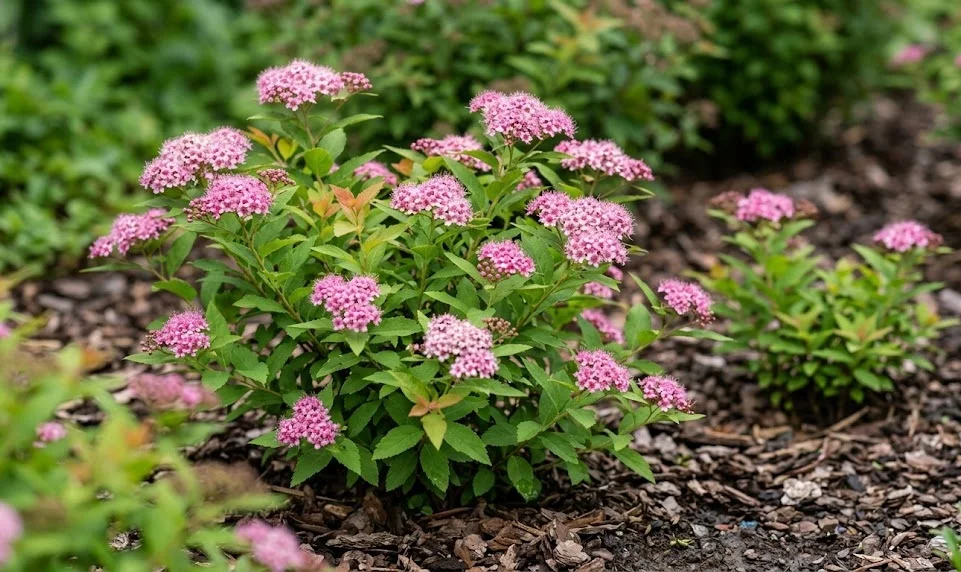
Full sun exposure is the gold standard for Japanese spirea if you want to achieve the most prolific flowering and intense leaf color. Ideally, the shrub should receive at least six to eight hours of direct, unfiltered sunlight every day during the growing season. This abundance of light provides the energy needed for the plant to produce the characteristic dense clusters of pink or white flowers. Without sufficient sun, the flowering period may be significantly shorter, and the blooms themselves may appear sparse and pale.
The foliage of many Japanese spirea cultivars is specifically bred for its dramatic color changes, which are triggered by light intensity. For example, the bright gold and lime-green varieties require ample sun to maintain their brilliance and prevent them from fading to a dull green. In the autumn, the transition to deep reds and oranges is also more pronounced when the plant has been grown in a sunny location. Providing the right light levels ensures that the shrub remains a dynamic and colorful focal point in your garden.
In regions with extremely hot summer climates, some afternoon shade can actually be beneficial to prevent the foliage from scorching. While the plant loves light, the combination of intense heat and direct sun can sometimes be too much for the delicate leaves. Providing a bit of relief during the hottest part of the day can help the plant retain its moisture and stay vibrant. A professional gardener observes the plant’s reaction to the sun and makes small adjustments to its environment if necessary.
When light levels are too low, the Japanese spirea may begin to exhibit several signs of stress and poor growth. You might notice that the stems become “leggy” as the plant stretches toward the nearest light source, leading to a thin and unattractive appearance. The leaves may also become larger and thinner as the plant tries to increase its surface area for photosynthesis in the shade. To maintain the naturally compact and mounded habit of the spirea, ensuring adequate light is absolutely essential.
More articles on this topic
Adaptability to partial shade conditions
While full sun is preferred, many varieties of Japanese spirea are surprisingly tolerant of partial shade, making them useful for diverse garden settings. Partial shade is generally defined as receiving between three to six hours of direct sunlight, often in the morning or late afternoon. In these conditions, the shrub will still grow and produce foliage, but the overall growth rate may be somewhat slower. This adaptability allows you to incorporate spirea into areas where other sun-loving plants might struggle.
If you choose to plant in a partially shaded area, it is wise to select cultivars that are known for their shade tolerance. Some green-leaved varieties tend to perform better in lower light than those with highly variegated or golden foliage. You should also be aware that the flowering will be less intense in the shade, with fewer clusters appearing throughout the canopy. For a professional look, you might use shade-grown spirea primarily for its structural contribution and textured foliage rather than its floral display.
One of the challenges of growing spirea in partial shade is the increased risk of fungal issues like powdery mildew. In shadier spots, the morning dew takes longer to evaporate from the leaves, creating a humid environment that favors fungal spores. To mitigate this risk, you should ensure that the plants are spaced further apart to allow for maximum air circulation. Proper pruning to open up the center of the shrub can also help keep the foliage dry and healthy in less-than-ideal light.
The quality of the light in shaded areas can also be improved through strategic landscaping techniques around the shrub. Pruning back overhanging branches from nearby trees can allow more dappled sunlight to reach the spirea throughout the day. Using light-colored mulches or nearby reflective surfaces, like white walls, can also subtly increase the ambient light levels. These professional touches can make a significant difference in the health and appearance of a shrub growing in a partially shaded location.
More articles on this topic
Seasonal light variations and site selection
Light patterns in a garden are not static and can change significantly as the sun’s position shifts throughout the year. A spot that is in full sun during the height of summer might be in deep shade during the spring and autumn months. When selecting a planting site for your Japanese spirea, you should consider how the light will evolve across the entire growing season. This long-term perspective is the hallmark of a professional approach to landscape planning and plant placement.
The presence of deciduous trees nearby will also influence the light levels available to your shrubs at different times. In the early spring, before the trees have leafed out, the spirea may receive plenty of sun to kickstart its growth. However, as the canopy fills in, the light may diminish just as the shrub is preparing to bloom in the summer. Understanding these dynamics allows you to place the spirea where it can take advantage of the best available light for its specific needs.
Physical structures like fences, walls, and houses also create permanent shadows that must be factored into your site evaluation. North-facing walls often remain in shade for most of the day, which might not be suitable for the most sun-demanding spirea cultivars. Conversely, a south-facing wall can reflect heat and light, creating a microclimate that is much warmer and brighter than the rest of the garden. A professional gardener uses a light meter or careful observation to map out these zones before planting anything.
Finally, remember that the light requirements of a young plant may change as it grows and its environment matures. A small shrub might be perfectly happy in a sunny gap that eventually gets closed off by larger neighboring plants. Regularly assessing the light levels in your garden allows you to make adjustments, such as moving a shrub or thinning its surroundings. This proactive management ensures that your Japanese spirea continues to thrive in the best possible light conditions for its lifetime.
Light and long-term health
Consistency in light exposure is one of the keys to building a resilient and long-lived Japanese spirea specimen. Sudden changes in light, such as removing a large tree that previously provided shade, can shock a plant that has adapted to lower light levels. If you must change the light environment, try to do it gradually or provide temporary shade to help the plant acclimate. This careful transition prevents the leaves from burning and allows the plant to adjust its internal chemistry.
Healthy photosynthesis, fueled by adequate light, is the foundation of the plant’s entire immune system. When a spirea receives the right amount of light, it produces the sugars and energy needed to defend against pests and diseases. A plant grown in too much shade is often weaker and more susceptible to infestations that can compromise its health. By prioritizing light in your care routine, you are investing in the long-term vitality of your entire landscape.
The relationship between light and water usage is another important consideration for professional plant management. Shrubs in full sun will naturally transpire more water and may require more frequent irrigation than those in shadier spots. You must balance your watering schedule with the light intensity to ensure the plant never becomes dangerously dehydrated. This holistic understanding of the plant’s needs is what leads to a truly successful and beautiful garden.
In conclusion, light is perhaps the most influential environmental factor in the life of a Japanese spirea. From the color of its leaves to the density of its flowers, every aspect of its ornamental value is shaped by the sun. By taking the time to understand and manage light levels, you can unlock the full potential of this wonderful shrub. With the right light, your spirea will be a shining star in your garden for many years to come.