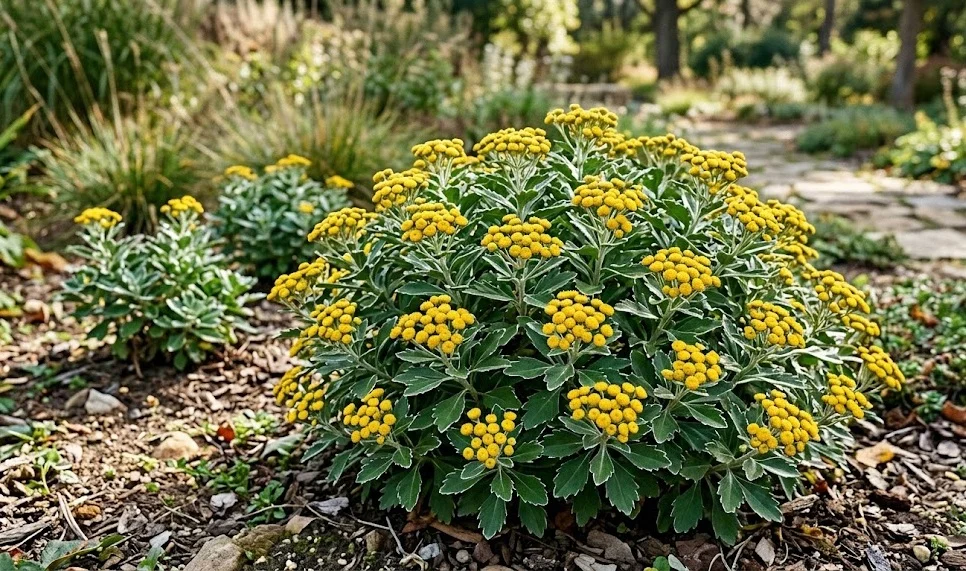

Strategic pruning is the most effective tool for maintaining the health and ornamental beauty of the Japanese gold chrysanthemum. This resilient perennial responds exceptionally well to cutting, which helps it maintain its characteristic mounded shape and encourages a profusion of flowers. For the professional gardener, pruning is not just about cleanup; it is a way to direct the plant’s energy and ensure its longevity. By understanding the timing and techniques of pruning, you can transform a simple plant into a masterpiece of garden design.
The Japanese gold chrysanthemum naturally tends to grow in a spreading, somewhat sprawling manner if left entirely to its own devices. Over time, the older stems in the center of the mound can become woody and lose their foliage, leading to an unattractive, hollowed-out appearance. Regular pruning prevents this aging process by stimulating the growth of fresh, vibrant shoots from the base of the plant. This constant renewal is the secret to keeping your specimens looking young and healthy year after year.
Pruning also plays a critical role in disease prevention by improving the air circulation within the dense canopy of leaves. By thinning out the stems, you allow light to reach the interior and ensure that moisture evaporates quickly after rain. This proactive approach reduces the risk of fungal infections like powdery mildew or botrytis, which thrive in stagnant, humid environments. A well-pruned plant is not only more beautiful but also much more resilient to the common challenges of the garden.
The timing of your cuts is perhaps the most important factor in a successful pruning strategy for this species. Pruning at the wrong time can accidentally remove the developing flower buds or expose the plant to winter damage. Professional care involves a two-stage approach: a formative pruning in the spring and summer, and a structural cleanup in the late winter or early spring. This article details the specific methods used to manage the growth and flowering of this exceptional perennial.
Formative pruning and spring shaping
The first pruning session of the year should occur in the early spring, just as the new growth is beginning to emerge. At this stage, the goal is to remove any dead or damaged stems from the previous winter to make room for the new shoots. Use a pair of sharp, clean bypass pruners to cut the old stems back as close to the ground as possible without damaging the new growth. This thorough cleanup gives the plant a fresh start and prevents old diseases from infecting the new season’s foliage.
More articles on this topic
As the spring progresses and the plant begins to fill out, you can start the process of formative shaping to encourage a compact mound. This involves “pinching” or cutting back the tips of the most vigorous shoots to encourage them to branch out. When you remove the growing tip, the plant’s hormones shift, causing dormant buds further down the stem to activate and grow. This technique results in a much denser plant with more flowering points than one that is allowed to grow unchecked.
You can repeat this pinching process several times throughout the late spring and early summer to further refine the shape. A good rule of thumb is to stop all pinching by the middle of July to allow the plant time to form its flower buds. If you continue to prune too late in the season, you may significantly reduce the number of flowers you get in the autumn. Professional gardeners use this window of time to carefully sculpt the plant into its ideal proportions for the landscape.
Maintaining a consistent height across a mass planting is also possible through strategic spring pruning. By cutting all the plants to the same level, you ensure a uniform look that is perfect for formal borders or walkways. This level of control is what separates a professionally managed garden from a more chaotic, naturalistic one. Even in more relaxed designs, a little bit of spring shaping goes a long way toward keeping the Japanese gold chrysanthemum looking its best.
Rejuvenation and structural management
For older plants that have become woody or lost their shape, a more drastic rejuvenation pruning may be necessary. This is best performed every three to four years in the early spring to keep the plant vigorous and productive. You can cut the entire plant back to within three or four inches of the ground, which forces a complete flush of new growth from the crown. While the plant may look sparse for a few weeks, it will quickly recover and often look better than it has in years.
More articles on this topic
Thinning is another structural technique used to improve the overall health of a mature Japanese gold chrysanthemum. This involves removing about one-third of the oldest stems entirely to the base, which allows more light and air to penetrate the center. This selective removal is less stressful for the plant than a complete cutback and can be done alongside regular shaping. Professionals often use thinning to maintain the integrity of a specimen without losing its established size and presence in the garden.
Managing the “legs” of the plant is also part of structural maintenance, especially if it is growing in slightly less than ideal light. If the bottom of the plant becomes bare, you can cut back the outer stems more aggressively to encourage growth closer to the ground. This helps maintain the “mound” look that is so characteristic of a healthy and well-cared-for Japanese gold chrysanthemum. A well-managed structure ensures that the plant remains an asset to the garden design through all its stages of life.
Always be sure to step back and look at the plant from different angles as you prune to ensure you are maintaining a balanced shape. It is easy to get carried away with one side and end up with an asymmetrical mound that looks out of place. Pruning is as much an art as it is a science, requiring a keen eye for form and proportion. By taking a thoughtful and deliberate approach to structural management, you ensure that your plants remain a stunning focal point in your garden.
Deadheading and post-bloom maintenance
Once the golden floral displays begin to fade in the late autumn, the focus shifts to post-bloom maintenance. Deadheading, or removing the spent flower clusters, is a common practice that keeps the plant looking tidy after its peak. While it won’t encourage a second flush of flowers in this species, it does prevent the plant from wasting energy on seed production. Simply cut the flower stems back to the first set of healthy leaves below the bloom.
Many professional gardeners choose to leave the spent flowers on the plant for a few weeks to provide late-season interest and texture. The fading gold can still look quite attractive against the silver foliage as the garden transitions into winter. However, if the weather is very wet, it is better to remove them early to prevent grey mold from developing on the dying tissues. Your decision should be based on the local climate and your personal aesthetic preferences for the winter garden.
As the plant enters full dormancy in the late winter, you can perform a final cleanup of the year’s growth. Some gardeners prefer to leave the dead stems standing through the winter to provide a small amount of protection for the crown. If you choose this path, the final cutback should happen in the very early spring before the new shoots begin to appear. This ensures that you don’t accidentally damage the tender new growth with your pruning tools as you clear away the old debris.
Always dispose of your pruning waste properly, especially if you have noticed any signs of disease during the growing season. Fungal spores can easily survive on dead stems and re-infect the plant in the spring if the material is left nearby. Composting is an option if your pile gets hot enough to kill pathogens, but many professionals prefer to bag and remove the waste from the site. This final act of garden hygiene is the perfect conclusion to a year of professional chrysanthemum care.