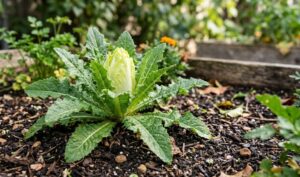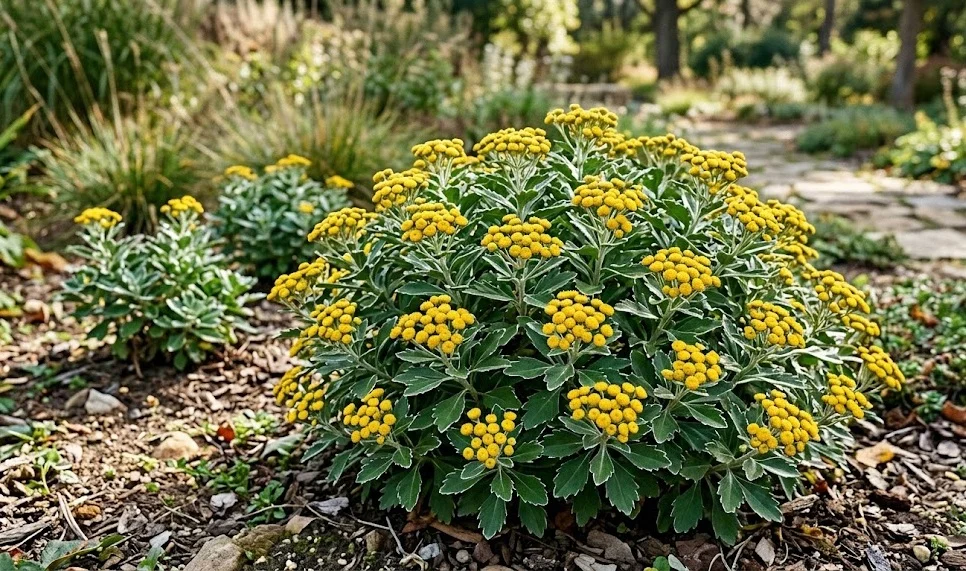

The ability of the Japanese gold chrysanthemum to survive the cold months is a testament to its rugged coastal origins. However, successfully overwintering this plant in a variety of climates requires more than just luck; it demands professional preparation. While it is naturally hardy in many temperate zones, extreme frost and wet winter soil can still pose significant threats. By following a structured wintering protocol, you can ensure that your chrysanthemums emerge in the spring with renewed vigor and strength.
Preparation for winter begins long before the first frost arrives, as the plant must be allowed to transition naturally into dormancy. As the days shorten and temperatures drop, the plant’s metabolic processes slow down, and it begins to store energy in its root system. It is vital to avoid any late-season activities that might encourage new, tender growth, such as heavy pruning or fertilization. A professional gardener respects this natural rhythm and supports the plant as it prepares for its season of rest.
The greatest danger during the winter is not necessarily the cold itself, but the combination of freezing temperatures and saturated soil. In many regions, winter is a wet season, and the Japanese gold chrysanthemum is particularly sensitive to “wet feet” during its dormant period. Ensuring the soil around the plant remains well-drained and protected from excessive runoff is a key part of the wintering strategy. This often involves physical modifications to the garden bed or the addition of protective barriers.
For those living in exceptionally harsh climates, additional steps may be necessary to insulate the plant from deep freezes. This can include the use of specialized mulches, frost blankets, or even moving container-grown specimens to a more protected location. Each garden has its own unique microclimate, and professional care involves adapting these general rules to your specific situation. This article outlines the essential steps for protecting your plants through the coldest months of the year.
Autumn preparations and hardening off
The hardening-off process is a natural physiological change that allows the plant to withstand sub-freezing temperatures without cell damage. To facilitate this, gradually reduce the amount of water you provide as the autumn progresses and the temperatures start to fall. This signal tells the plant to stop producing new foliage and instead focus on strengthening its internal structures for the winter. The goal is to have a plant that is healthy but not actively growing when the first hard frost occurs.
More articles on this topic
One of the most common mistakes is cutting the plant back too early in the autumn before it has fully entered dormancy. The fading foliage actually provides a small measure of natural protection for the crown of the plant against early frosts. Furthermore, allowing the leaves to die back naturally allows the plant to reabsorb valuable nutrients into the root system. Professionals wait until the foliage has completely turned brown and brittle before performing any significant cleanup or cutting.
Clear away any weeds or fallen debris from the base of the plant to prevent them from harboring pests or diseases over the winter. This clean area also makes it easier to apply protective mulches and ensures that moisture doesn’t get trapped against the main stems. If the autumn has been exceptionally dry, provide one last deep watering before the ground freezes to ensure the roots are hydrated. A dehydrated plant is much more likely to suffer from winter desiccation and death.
Inspect the plant one last time for any signs of late-season pests or diseases that might try to overwinter in the crown. Treating these issues now prevents them from becoming a major problem when the weather warms up in the spring. A healthy, clean plant is the best starting point for a successful wintering experience. Once these preliminary steps are completed, the plant is ready for the more intensive protection methods used in colder regions.
Mulching and crown protection
Mulching is the most effective way to insulate the root system and protect the crown from the damaging cycle of freezing and thawing. This cycle, known as frost heaving, can literally push plants out of the ground, exposing their delicate roots to the frigid air. A thick layer of mulch acts as a thermal blanket, keeping the soil temperature more consistent throughout the winter months. For the Japanese gold chrysanthemum, a layer of three to four inches of mulch is generally recommended.
More articles on this topic
Choose a mulch material that is airy and does not compact easily, such as clean straw, pine needles, or shredded bark. Heavy, wet mulches like whole leaves can mat down and create a soggy environment that encourages rot rather than providing protection. Ensure the mulch covers the entire root zone, extending several inches beyond the drip line of the foliage. This broad coverage ensures that the entire underground structure of the plant remains protected from the deep cold.
In areas with very severe winters, you can create a “mulch cage” by placing a cylinder of wire mesh around the plant and filling it with dry leaves or straw. This provides a vertical layer of insulation that protects the stems and crown from biting winds and extreme temperature drops. Be careful not to use plastic for this purpose, as it can trap moisture and cause the plant to overheat on sunny winter days. The key is to use breathable materials that allow for some air movement while still providing insulation.
If your garden is prone to heavy snow, the weight can sometimes crush the brittle dormant stems of the chrysanthemum. While a light layer of snow is actually an excellent insulator, heavy, wet snow should be gently brushed off to prevent physical damage. If you have used a mulch cage or other structure, it will also help support any snow load that accumulates. Professional gardeners often use these simple physical barriers to ensure their plants survive even the most challenging winter conditions.
Managing container plants in winter
Plants grown in containers are much more vulnerable to the cold because their roots are not insulated by the large mass of the earth. In a pot, the temperature can drop much faster and reach lower levels than in a garden bed, potentially killing the plant. The first line of defense is moving the pots to a sheltered location, such as against a south-facing wall or into an unheated garage. This simple move can raise the ambient temperature around the pot by several degrees, which is often enough to ensure survival.
If the pots must remain outdoors, they should be wrapped in insulating materials like burlap, bubble wrap, or specialized thermal pot covers. Grouping several pots together also helps create a shared microclimate that retains more heat than a single isolated container. Elevating the pots off the cold ground with “pot feet” or bricks can also prevent the roots from freezing through the bottom of the container. These small adjustments are part of the professional attention to detail that ensures success with potted perennials.
Watering potted chrysanthemums during the winter is a delicate task that requires careful timing and observation. While the plant is dormant and needs very little water, the soil should not be allowed to become bone-dry for extended periods. On a day when the temperature is above freezing, check the moisture level and provide a small amount of water if necessary. Avoid watering when a hard freeze is expected, as the expanding ice can damage the roots and even crack the container.
In very cold climates, some gardeners choose to “heel in” their potted plants by burying the entire pot in the ground for the winter. This provides the plant with the natural insulation of the earth while allowing it to be easily moved back to its display location in the spring. If this is not an option, moving the plant to a cold frame or a cool greenhouse can provide a more controlled environment. Regardless of the method, the goal is to keep the plant dormant and protected until the threat of extreme cold has passed.
Transitioning back to spring
The transition from winter dormancy back to active growth is a critical time that requires careful management to avoid setbacks. As the days begin to lengthen and the soil warms, you will eventually see new green shoots emerging from the base of the plant. Do not be in too much of a hurry to remove the protective mulch, as late-spring frosts can still damage the tender new growth. Gradually thin out the mulch over a week or two to allow the soil to warm up slowly and naturally.
Once the danger of a hard freeze has passed, you can safely remove the remaining mulch and clean up any dead stems from the previous year. Cutting the old stems back to within an inch or two of the new growth helps tidy the plant and improves air circulation. This is also the perfect time to inspect the plant for any winter damage or signs of pests that may have survived the cold. A clean, well-maintained plant is better able to focus its energy on the new season’s growth.
The first watering of the spring should be deep and thorough to rehydrate the entire root system after its winter rest. If the soil has become compacted over the winter, gently loosen the surface with a hand fork to improve aeration and water penetration. Avoid the temptation to apply heavy fertilizer immediately, as the roots need time to become fully active again. Wait until you see several inches of new growth before starting your regular fertilization routine for the year.
If you have moved container plants indoors for the winter, they must be “hardened off” before being placed back in their permanent outdoor spots. This involves moving them outside for a few hours each day and gradually increasing their exposure to direct sun and wind. This slow transition prevents the new growth from being scorched by the sun or shocked by the sudden change in temperature. By following this professional re-entry process, you ensure that your Japanese gold chrysanthemum starts the new year in peak condition.