
While the aztec lily does not require the extensive pruning often associated with woody shrubs, a thoughtful approach to cutting back is still an essential part of professional care. Knowing when and how to remove spent flowers and aging foliage can significantly impact the plant’s health and its ability to store energy for the future. Proper pruning techniques help maintain the aesthetic appeal of the specimen while preventing the onset of disease. A professional gardener views every cut as a strategic decision that supports the long-term vitality of the bulb.
Techniques for deadheading and flower removal
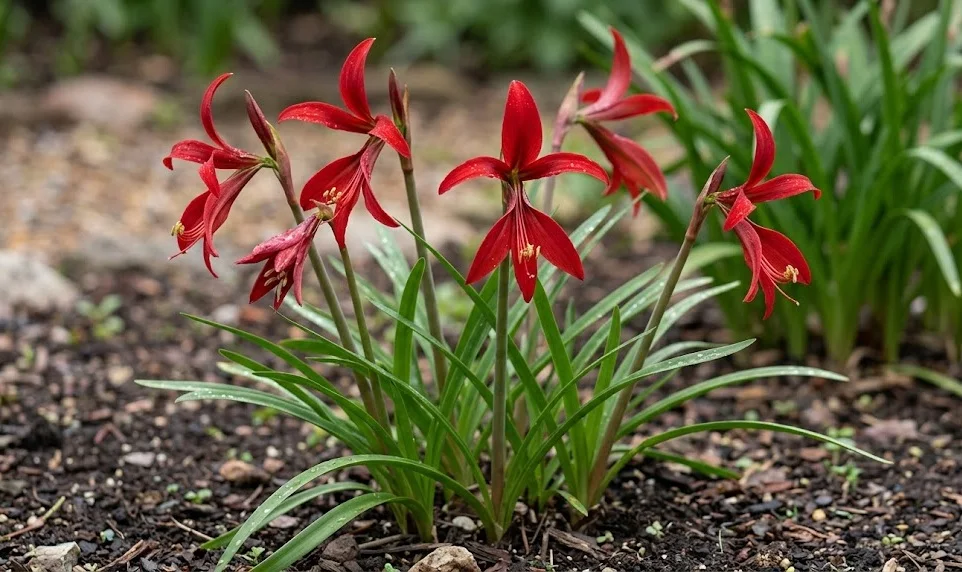
The primary pruning task for most owners of this species is the removal of the spent flowers once the blooming display has come to an end. This process, known as deadheading, is important because it prevents the plant from wasting valuable energy on the production of unwanted seeds. You should use a sharp, sterile pair of scissors or garden shears to cut the flower stalk near its base, being careful not to damage the surrounding leaves. Removing the old blooms also keeps the plant looking tidy and prevents the decaying petals from falling onto the foliage where they might harbor fungi.
If you are interested in collecting seeds for propagation, you should leave one or two of the most vigorous flower stalks intact after they have faded. You will notice a swelling at the base of the flower where the seed pod is developing, which will eventually turn brown and split open. However, keep in mind that seed production is a high-energy process that can slightly reduce the size of the bulb for the following season. A professional balance involves allowing only a small portion of the plant to produce seeds while deadheading the rest to favor bulb growth.
When cutting the flower stalks, always ensure your tools are clean to prevent the transmission of any viral or bacterial infections. Wiping the blades with a bit of rubbing alcohol between different plants is a simple but highly effective professional habit. You should also avoid tearing or pulling at the stalks, as this can create ragged wounds that take longer to heal and are more susceptible to rot. A clean, precise cut is the hallmark of a skilled gardener who cares about the physiological health of their collection.
Sometimes, the flower stalks may become damaged by wind or accidental contact before the blooms have finished their cycle. In these cases, it is often best to cut the stalk and enjoy the flower in a vase of water indoors rather than leaving it to struggle on the plant. These lilies make excellent cut flowers and can last for several days when provided with fresh water and a cool location. This flexible approach allows you to get the most enjoyment out of your plant even when environmental conditions are less than perfect.
More articles on this topic
Strategic management of the foliage
The foliage of the aztec lily is its primary energy-producing organ, and its management requires a patient and hands-on approach. You must resist the urge to cut back the long, strap-like leaves as long as they remain green and healthy, even if they start to look a bit untidy in the late summer. This green tissue is actively performing photosynthesis and sending essential carbohydrates down into the bulb for next year’s growth. Removing leaves prematurely is one of the most common mistakes and will inevitably lead to a decline in flowering over time.
If an individual leaf becomes severely damaged by pests or shows signs of a fungal infection, it can be removed to protect the rest of the plant. In this case, cut the leaf as close to the base as possible without nicking the bulb or any neighboring healthy leaves. Regular inspection allows you to identify these problematic leaves early and take action before the issue spreads. Keeping the foliage clean and free of debris also helps maximize the surface area available for light absorption and energy production.
As the plant naturally approaches the end of its growing season, the leaves will begin to lose their vibrant green color and turn yellow. This is a clear signal that the bulb is reabsorbing the nutrients and water from the leaves, and you should still wait before reaching for your pruning shears. Only when the foliage has become completely dry, brown, and papery is it truly safe to remove it from the plant. At this stage, the leaves will often come away with a gentle tug, or they can be cut cleanly at the soil line.
In some professional settings, the foliage may be lightly trimmed if it becomes excessively long and starts to interfere with other nearby plants. However, this should be kept to a minimum and only involve the very tips of the leaves to avoid significant energy loss. A better solution is often to provide a small support or to move the plant to a spot where its leaves can spread out naturally. Respecting the natural life cycle of the foliage is the best way to ensure a healthy and productive bulb year after year.
More articles on this topic
Preparation for the dormant period
The final stage of pruning occurs just before the plant enters its winter rest, whether it is being left in a pot or lifted from the garden. Once all the foliage has been removed, you should also take a moment to inspect the neck and crown of the bulb for any dead tissue or old leaf bases. Removing these dry remnants can help prevent moisture from being trapped against the bulb during storage, reducing the risk of rot. This “cleaning up” of the bulb is a subtle but important part of the professional overwintering preparation process.
If you notice any dead or excessively long roots when lifting the bulb, these can be trimmed back slightly with sterile shears. However, you should be very careful not to cut into the healthy, fleshy parts of the root system or the basal plate of the bulb. A light trimming of the roots can make the bulb easier to handle and store without causing any significant harm to the plant. This is also a good time to double-check for any small offsets that might have been hidden by the foliage during the summer.
After all the cutting and cleaning is complete, the bulb should be left to dry for a few days to allow any minor wounds to callous over. This curing period is essential before the bulb is placed into its winter storage container or bag. A professional gardener knows that a well-prepared bulb is much more likely to survive the winter in perfect condition. Taking the time to perform these final tasks with care and precision is a true investment in the future beauty of your garden.
Finally, remember to dispose of all pruned material and old foliage away from your healthy plants to maintain good garden hygiene. Piles of decaying leaves can become a source of infection or a hiding place for pests that you don’t want in your storage area. Keeping your workspace clean and organized is the final step in a successful pruning and maintenance routine. By following these professional guidelines, you ensure that your aztec lilies will return with even more vigor and beauty when the warmth of spring arrives once again.