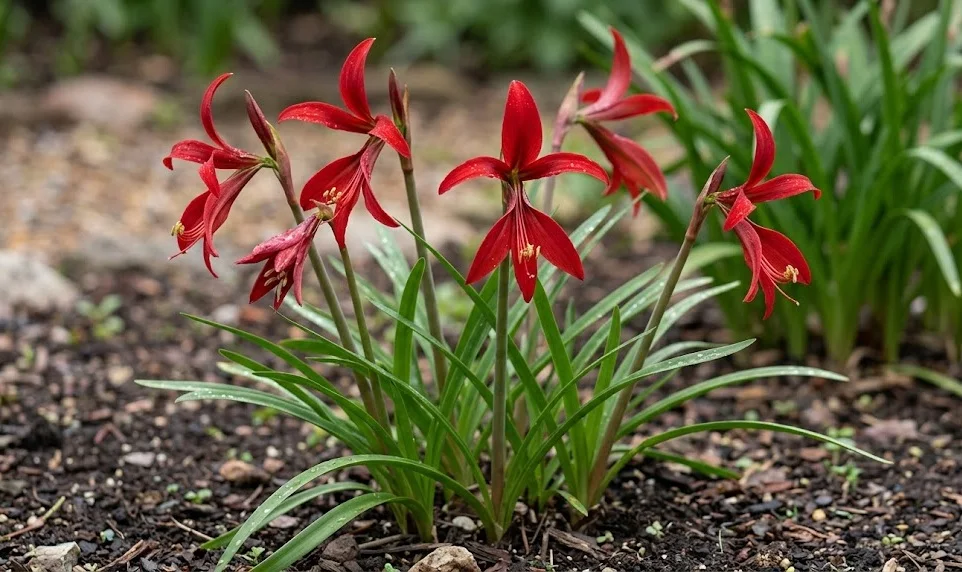

The relationship between the aztec lily and the sun is a fundamental aspect of its biology that dictates its growth rate, health, and flowering potential. As a plant native to the sun-drenched regions of Mexico and Central America, it has evolved to thrive under high light intensities that many other plants would find challenging. Providing the correct amount of illumination is perhaps the most important decision a gardener makes when choosing a location for this exotic species. A professional understanding of light management ensures that your lilies will always perform at their aesthetic peak.
Maximizing the benefits of full sun exposure
To achieve the best possible results, these lilies should be placed in a location where they receive at least six to eight hours of direct sunlight every day. Full sun exposure provides the energy necessary for the plant to carry out efficient photosynthesis and build up the large carbohydrate reserves needed for flowering. In the absence of sufficient light, the plant will often produce lush green leaves but fail to develop the spectacular red blossoms for which it is famous. A sun-filled garden bed or a south-facing balcony is often the ideal environment for these light-loving specimens.
The intensity of the morning sun is particularly beneficial as it provides energy without the extreme heat stress associated with the middle of the day. Plants that receive strong morning light are often more vigorous and have thicker, more resilient leaves that can better withstand the elements. You will notice that plants grown in full sun tend to have a more compact and sturdy growth habit compared to those in shaded areas. This structural strength is important for supporting the heavy weight of the flowers once they begin to bloom in late spring.
If you are growing your lilies in a region with particularly intense summer sun, you should monitor the foliage for any signs of leaf scorch. While they love the sun, extreme afternoon temperatures combined with direct light can sometimes cause the edges of the leaves to turn brown or crispy. In such cases, providing a small amount of filtered light during the hottest part of the afternoon can be a helpful professional adjustment. The goal is to provide maximum energy while protecting the delicate tissues of the plant from physical damage caused by excessive thermal radiation.
The quality of the light also influences the color and longevity of the flowers once they emerge. High light levels generally lead to a more intense and saturated red color in the petals, creating a much more dramatic visual impact in the landscape. Conversely, if the light is too low, the flowers may appear pale or faded and may not last as long as they would in a brighter spot. A professional gardener uses light as a tool to manipulate the ornamental qualities of the plant to achieve the most impressive results possible.
More articles on this topic
Shading considerations and light management
While these plants are sun-lovers, there are certain situations where providing a bit of shade is not only helpful but necessary for the plant’s well-being. In very hot climates, the combination of intense direct sun and high ambient temperatures can lead to rapid dehydration and physiological stress. You might notice the leaves drooping or curling during the heat of the day as the plant tries to conserve moisture. Providing a light shade cloth or placing the pots in a spot that receives dappled sunlight in the afternoon can alleviate this stress significantly.
Shade can also be used strategically to prolong the life of the flowers once they have fully opened. While the plant needs sun to produce the buds, the delicate petals of the open flower will stay fresh for longer if they are protected from the harshest direct rays. Some professional exhibitors will move their potted lilies into a brighter, cooler, and shaded area as soon as the first petal begins to unfurl. This technique preserves the velvet texture and deep color of the blooms for several additional days, maximizing the ornamental display.
In gardens with limited sunny spots, you can still grow these lilies by choosing a location that receives bright, indirect light for most of the day. While they may not bloom as prolifically as those in full sun, they can still produce healthy foliage and occasional flowers if the light levels are consistent. You should avoid placing them in deep, dark shade or under the dense canopy of large trees where they will struggle to survive. Light management is about finding the “sweet spot” that balances the plant’s high energy needs with the realities of your local microclimate.
Observation is the key to mastering light requirements, as the plant will often show you exactly what it needs through its growth patterns. If the stems are leaning heavily toward the light or the leaves are becoming unusually long and thin, the plant is signaling that it needs more illumination. On the other hand, if the leaves are developing bleached or yellow spots, it may be receiving too much direct radiation. A professional gardener is always ready to move a pot or adjust a shade screen to ensure their plants are receiving the perfect amount of light.
More articles on this topic
Artificial lighting and indoor cultivation options
For those who live in cooler climates or lack adequate outdoor space, artificial lighting offers a professional solution for growing these exotic lilies indoors. High-intensity discharge lamps or modern full-spectrum LED grow lights can provide the specific wavelengths of light needed for both vegetative growth and flowering. When using artificial lights, it is important to place the bulbs at the correct distance from the plant to avoid heat damage while providing sufficient intensity. A distance of thirty to fifty centimeters is usually appropriate for most high-quality LED systems.
Indoor plants should ideally be given a “day” length of twelve to fourteen hours to mimic the natural conditions of their native habitat. Using a simple timer can automate this process and ensure the plants receive a consistent and reliable supply of energy every single day. This consistency is often even better than outdoor light, which can be interrupted by cloudy days or the shadows of nearby buildings. Artificial lighting allows you to grow these magnificent plants in any room of your house, regardless of the orientation of your windows.
If you are using a windowsill for light, remember to rotate the pots every few days to ensure all sides of the plant receive equal exposure. Without rotation, the plant will naturally grow toward the glass, leading to a lopsided and unattractive appearance. You should also be aware that the light intensity drops off rapidly as you move away from the window, so keep the pots as close to the glass as possible. Modern double-paned windows are excellent for insulation but can sometimes filter out certain wavelengths of light that the plants need.
Supplementing natural window light with a small LED lamp can often make the difference between a plant that just survives and one that actually thrives and blooms. This hybrid approach is a common professional practice for maintaining exotic collections in less-than-ideal indoor environments. By taking control of the light environment, you remove one of the biggest variables in plant care and set the stage for reliable success year after year. Whether using the sun or a bulb, light remains the primary fuel that drives the spectacular life cycle of the aztec lily.