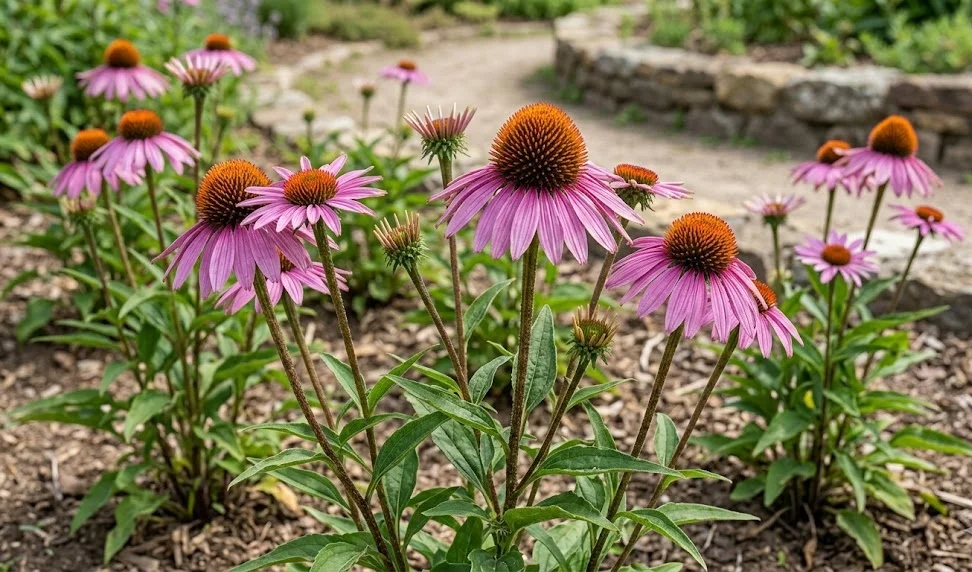

Caring for the purple coneflower is a rewarding endeavor for any gardener looking to add both beauty and resilience to their landscape. This perennial is famous for its striking daisy-like petals and prominent central cones that attract a variety of beneficial insects. To ensure the plant thrives over several seasons, one must understand its specific environmental preferences and growth habits. A well-maintained specimen can provide a stunning visual display from mid-summer through the first frost of autumn.
General maintenance strategies
The foundation of successful care begins with understanding the lifecycle of this hardy herbaceous perennial. Regular observation allows a gardener to identify the subtle changes in the plant’s health before issues become significant. Maintaining a clean area around the base of the stems prevents the accumulation of debris that might harbor pathogens. Consistent attention to these details ensures that the plant remains a focal point in the garden for many years.
Supporting the structural integrity of the plant is particularly important during the peak of the blooming season. While the stems are generally sturdy, heavy rains or high winds can occasionally cause the taller varieties to lean or break. Strategic staking or planting in dense groups can provide the necessary physical support to keep the flower heads upright. This proactive approach preserves the aesthetic value of the garden and protects the plant from physical damage.
Managing the surrounding vegetation is another key component of professional care in an ornamental setting. Competing weeds can quickly strip the soil of essential nutrients and moisture, which limits the growth potential of the flowers. A clear zone around the crown of the plant reduces competition and improves air circulation, which is vital for preventing fungal growth. Hand-pulling weeds is often the safest method to avoid damaging the shallow root systems of the coneflowers.
More articles on this topic
Observation of the flowering cycle provides insights into the overall vitality of the root system and the health of the foliage. Healthy plants will produce numerous buds that open into vibrant, symmetrical flowers throughout the summer months. If the blooms appear stunted or the colors seem faded, it may indicate an underlying issue with the soil or environment. Keeping a gardening journal can help track these patterns and allow for better adjustments in the following growing seasons.
Soil and substrate preferences
The quality of the soil serves as the primary driver for the long-term success and vigor of the plant. These perennials prefer a soil structure that allows for deep root penetration while maintaining adequate drainage during heavy rainfall. Compacted or heavy clay soils can lead to stagnant water around the roots, which often results in decay. Improving the soil texture with organic matter or grit can create a more hospitable environment for the roots to expand.
While the plants are known for their adaptability, they truly flourish in a substrate that is rich in organic nutrients. Incorporating well-rotted compost into the planting area provides a slow-release source of energy for the developing stems. This organic approach mimics the natural prairie habitats where these flowers originated, promoting a balanced soil ecosystem. Avoiding excessively rich or over-fertilized soil is also important, as it can lead to weak, leggy growth.
More articles on this topic
The pH level of the soil should ideally range from neutral to slightly acidic to facilitate optimal nutrient uptake. Most garden soils naturally fall within this range, but a quick test can confirm if adjustments are necessary for peak performance. If the soil is too alkaline, certain micronutrients may become locked away, causing the foliage to turn yellow. Targeted amendments like sulfur can help lower the pH if the garden conditions are not naturally suited for the species.
Drainage remains the most critical factor when evaluating the suitability of a specific garden location for these plants. Even the healthiest specimen will struggle if it is forced to sit in waterlogged earth for extended periods. Raised beds or sloping areas are excellent choices for gardeners dealing with drainage challenges in their primary landscape. Ensuring that the water moves away from the crown prevents many common issues associated with root rot and fungal infections.
Managing the growth environment
Creating a stable environment is essential for minimizing the stress that can affect the plant’s blooming capacity. These perennials are exceptionally heat tolerant, but they still benefit from a site that offers good air movement. Stagnant air in enclosed garden spaces can increase the humidity around the leaves, making them more susceptible to mildew. Proper spacing between plants is the best way to ensure that the wind can naturally dry the foliage after a rain.
The temperature variations of the local climate will dictate how the plant responds throughout the growing season. During particularly hot and dry spells, the plant may enter a semi-dormant state to conserve its internal moisture levels. Providing a light layer of mulch can help regulate the soil temperature and keep the roots cool during the peak of summer. This environmental buffering allows the plant to continue producing flowers even when the weather conditions are harsh.
Interactions with other plant species in the garden should be carefully considered to avoid overcrowding or shading. As a prairie native, this flower does not compete well with aggressive groundcovers that might smother its lower stems. Selecting companion plants with similar water and light needs creates a more harmonious and lower-maintenance garden bed. Grasses and other late-summer bloomers make excellent partners that complement the visual texture of the coneflower.
Urban environments present unique challenges such as heat islands and localized pollution that can affect plant health. These resilient perennials are often chosen for city landscapes because they handle poor air quality better than many other ornamentals. However, extra care should be taken to wash off any soot or dust that accumulates on the broad leaves over time. Clean foliage is more efficient at photosynthesis, leading to stronger plants and more prolific flowering cycles.
Seasonal care cycles
The transition from spring to summer marks the beginning of the most active growth phase for the plant. As the new shoots emerge from the soil, it is a great time to inspect the crown for any signs of winter damage. Removing old, dead stems from the previous year clears the way for fresh green growth to reach the sunlight. This early cleaning phase sets the stage for a tidy and productive garden throughout the remaining months of the year.
Mid-summer is the period when the plant requires the most attention regarding its flowering and hydration levels. This is the time when the visual impact of the garden is at its height, and the demand for nutrients is greatest. Regular checks of the soil moisture ensure that the plant has enough resources to maintain its large, heavy blooms. Monitoring for any early signs of pests during this high-growth period can prevent larger infestations later in the season.
As the days begin to shorten in late summer, the focus of care shifts toward preparing the plant for the upcoming dormancy. The frequency of maintenance tasks may decrease, but the health of the foliage remains important for energy storage. Allowing some of the final blooms to go to seed can provide a food source for local birds and contribute to the garden’s ecology. This natural progression is a vital part of the perennial’s lifecycle and its connection to the local environment.
Late autumn care involves a final inspection and the removal of any diseased material before the ground freezes. While some gardeners prefer a completely clean bed, leaving the base of the plant undisturbed provides protection for the crown. The fallen leaves of nearby trees can be left in place to act as a natural insulation layer against the deep frost. This cyclical approach to maintenance respects the natural rhythms of the plant and ensures its return the following spring.
Encouraging biodiversity and pollinators
One of the primary reasons for including this species in a professional landscape is its incredible ability to attract pollinators. The central cone is packed with nectar and pollen that serve as a vital resource for bees and butterflies. By maintaining healthy plants, a gardener supports the entire local ecosystem and promotes a higher level of biodiversity. Watching the various species visit the flowers is often the most enjoyable part of the caring process for many enthusiasts.
Avoiding the use of systemic pesticides is a critical component of caring for a pollinator-friendly garden. These chemicals can linger in the nectar and harm the very insects that the gardener is trying to attract and support. Instead, integrated pest management techniques should be used to handle any minor outbreaks of harmful insects. Natural predators like ladybugs often move in to control pest populations if the environment is kept free of harsh toxins.
The diversity of the garden can be further enhanced by planting different varieties of the species with varying bloom times. While the standard purple version is a classic, newer cultivars offer a range of colors that can attract different types of insects. Providing a long window of available forage helps sustain local pollinator populations from early summer until the arrival of the cold. This thoughtful planning turns a simple flower bed into a functioning habitat for many beneficial creatures.
Water sources located near the flower beds can further improve the attractiveness of the garden to local wildlife. Small dishes of water with landing stones allow bees and butterflies to hydrate safely while they work among the flowers. This holistic approach to garden care goes beyond the individual plant and considers the health of the entire outdoor space. A balanced garden is often much easier to maintain because nature provides many of the necessary checks and balances.
Maintaining aesthetic appeal
Keeping the garden looking professional requires a keen eye for the visual balance of the perennial border. Removing spent flowers is a common practice that keeps the plant looking fresh and encourages a second flush of smaller blooms. This process, known as deadheading, prevents the plant from putting all its energy into seed production too early. The result is a more compact and tidy appearance that fits well in structured landscape designs.
The foliage of the plant should remain a deep, healthy green throughout the majority of the growing season. If the lower leaves begin to turn yellow or brown, it may be a sign that the plant is being shaded out or lacks nutrients. Thinning out the stems can improve light penetration to the lower parts of the plant and maintain a uniform look. Consistent aesthetic maintenance ensures that the coneflower remains an asset to the overall garden composition.
Group plantings are often more visually effective than scattering individual plants throughout a large border or bed. Massing the plants together creates a sea of color that has a much stronger impact from a distance. This technique also helps the plants support each other and makes the maintenance tasks more centralized and efficient. A well-designed mass planting can define the structure of a garden and provide a sense of intentionality and professional design.
Color coordination with other late-summer perennials can elevate the professional appearance of the landscape significantly. Pairing the purple hues with yellow black-eyed Susans or blue salvia creates a classic and sophisticated color palette. Understanding the height and spread of each plant allows for a layered effect where every flower is visible to the observer. This attention to detail in the care and placement of the plants results in a truly world-class garden display.
Long term plant health and vitality
Ensuring the longevity of the perennial involves more than just daily or weekly maintenance tasks during the summer. Every few years, the plant may benefit from being lifted and divided to rejuvenate the root system and prevent overcrowding. This process breathes new life into older clumps and provides an opportunity to expand the garden with free new plants. Division is best performed in the early spring before the main growth surge begins for the year.
The long-term health of the soil must also be managed to prevent the depletion of essential trace minerals over time. Adding a thin layer of compost or organic mulch each year helps maintain the fertility and structure of the earth. This practice ensures that the plants have access to a consistent supply of nutrients without the need for heavy chemical intervention. Healthy soil leads to healthy plants that are better equipped to resist diseases and environmental stressors.
Monitoring the garden for changes in the local microclimate can help a gardener adapt their care routines as the years pass. As trees grow and provide more shade, or as new structures change wind patterns, the needs of the plant may shift. Staying flexible and being willing to move plants to better locations is a hallmark of an expert gardener. This proactive management guarantees that the coneflowers will continue to thrive despite the inevitable changes in the surrounding environment.
Finally, the commitment to professional care involves staying informed about new developments in horticulture and plant health. Networking with other gardeners or joining local horticultural societies can provide valuable insights into regional challenges and successes. Sharing knowledge about what works best for this specific species helps foster a community of successful and passionate plant lovers. The journey of caring for these plants is a continuous learning process that yields beautiful results year after year.