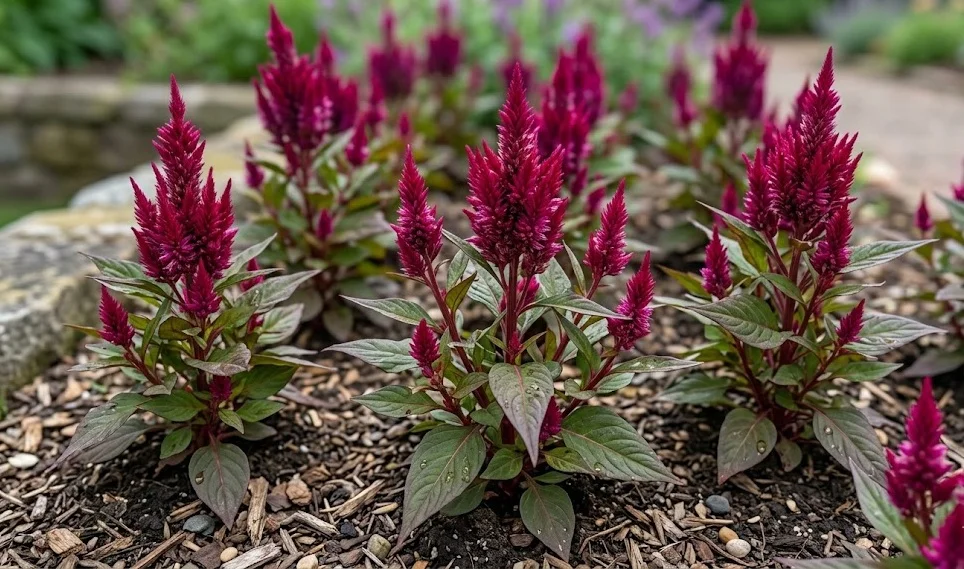

The purple celosia is primarily treated as an annual in many temperate regions, but with professional care, it is possible to preserve this beautiful plant through the colder months. Because it is a tropical species, it possesses no natural tolerance for frost or prolonged exposure to temperatures below ten degrees Celsius. Successfully overwintering this cultivar requires a dedicated strategy to transition it from the garden to a protected indoor environment. By following expert techniques, you can keep your ‘Caracas’ specimens alive and ready for a head start in the following spring.
Preparation for the winter must begin well before the first frost arrives, as the plant needs time to adjust to changing conditions. Monitoring the local weather forecast is a critical responsibility during the late autumn weeks to ensure the plant is moved at the right time. Bringing a plant indoors while it is still healthy and active significantly increases its chances of survival during the dormant period. A proactive approach allows the root system and foliage to remain intact before the cold causes any cellular damage.
Indoor environments present a different set of challenges, including lower light levels and much drier air than the plant is used to outdoors. To successfully overwinter a purple celosia, you must replicate its tropical needs as closely as possible within your home or greenhouse. This involves finding the perfect balance between keeping the plant alive and allowing it to enter a necessary phase of slowed growth. Mastery of indoor environmental control is what separates a casual gardener from a professional horticulturist in this regard.
The reward for a successful overwintering process is a larger, more established plant that will bloom much earlier than those started from seeds in the spring. You also have the advantage of preserving a specific individual that has shown particularly vibrant colors or robust growth. This continuity adds a sense of history and accomplishment to your gardening efforts and saves the cost of buying new plants each year. With patience and technical care, your purple celosia can become a long-term member of your plant collection.
Understanding temperature sensitivity and timing
The purple celosia is physiologically programmed for warmth, and its metabolic processes begin to slow down significantly as soon as the mercury drops. You should consider the plant to be at risk once night temperatures consistently fall below twelve degrees Celsius. At this point, the plant may stop producing new flowers and its foliage might lose some of its characteristic luster. Waiting for a frost to occur before taking action is usually a fatal mistake for this particular cultivar.
More articles on this topic
A professional tip is to begin the transition process by moving your potted celosia to a more sheltered spot, such as a covered porch, for a week. This intermediate step helps the plant acclimatize to slightly lower light and different air movements before it enters the house. If your plants are in the ground, they must be carefully dug up and potted at least two weeks before the first expected frost. This allows the roots to settle into the new container while the outdoor conditions are still relatively favorable for recovery.
During the digging and potting process, take extreme care not to damage the main root system, as this would add unnecessary stress to an already challenging transition. Use a sharp spade to lift a large ball of soil and place it into a pot that is only slightly larger than the root mass. Fill any gaps with a high-quality, well-draining potting mix that will provide the right moisture balance for the winter. This careful handling ensures that the plant enters its indoor phase with the best possible chance of success.
Once the plant is in its winter container, give it a thorough watering and keep it in a bright, shaded spot outdoors for a few more days. This allows you to inspect the plant one last time for any outdoor pests like aphids or mites that you do not want to bring into your home. It is much easier to treat these issues outside than to deal with an infestation in your living space or greenhouse. This disciplined approach to timing and preparation is the foundation of professional overwintering.
Managing the transition to indoor living
When the time finally comes to bring your purple celosia inside, choosing the right location is the most important decision you will make. It needs the brightest spot available, ideally a south-facing window that receives at least six hours of direct or very bright indirect light. If your home does not have a sufficiently bright window, you must supplement the light with professional-grade LED grow lights. Without enough light, the plant will quickly become leggy and its vibrant purple color will fade to a dull green.
More articles on this topic
The air inside modern homes is often far too dry for tropical plants, especially once the heating system is turned on for the winter. You can combat this by placing the pot on a tray filled with pebbles and a small amount of water, ensuring the bottom of the pot stays above the water level. As the water evaporates, it creates a localized area of higher humidity around the foliage. Alternatively, using a dedicated humidifier in the room can provide a more consistent and professional level of atmospheric moisture.
Temperature stability is also crucial during the overwintering period, as the plant can be easily shocked by sudden changes. Avoid placing your celosia near cold drafts from doors or windows, and keep it well away from heat sources like radiators or fireplaces. The ideal indoor temperature for overwintering is between fifteen and twenty degrees Celsius during the day, with a slight drop at night. This mimics the natural cooling that occurs in the tropics and helps the plant maintain its internal clock.
Finally, remember that the plant’s water needs will decrease significantly once it is indoors and in a state of slower growth. You should allow the top two or three centimeters of soil to dry out completely before providing a modest amount of water. Overwatering is the number one cause of death for overwintering plants, as it leads to root rot in the cooler, darker indoor conditions. Use your finger to check the moisture levels regularly rather than sticking to a rigid weekly schedule.
Care during the winter dormancy period
During the heart of winter, your purple celosia will enter a period of dormancy or semi-dormancy where visible growth may stop entirely. This is a natural part of its life cycle and should not be a cause for alarm as long as the foliage remains firm and green. You should resist the urge to fertilize the plant during this time, as adding nutrients can stimulate weak, spindly growth that is prone to pests. Wait until you see signs of active new growth in the spring before introducing any supplemental feeding.
Pruning is generally not recommended during the middle of winter, as every leaf is precious for capturing what little light is available. However, you should remove any leaves that turn yellow or brown to prevent the buildup of mold or the attraction of indoor pests. Keeping the plant and the surrounding area clean is just as important indoors as it is in the garden. A monthly wipe-down of the leaves with a soft, damp cloth can also help remove dust and keep the plant’s pores open for respiration.
Pests like fungus gnats and spider mites can sometimes become a problem in the warm, dry conditions of an indoor overwintering site. Fungus gnats are often a sign that the soil is being kept too wet, so letting the soil dry out more thoroughly is the first step in control. If you see signs of spider mites, such as fine webbing, you can treat the plant with a gentle spray of neem oil or insecticidal soap. Catching these issues early is key to ensuring the plant survives until it can return to the garden.
Regularly rotate the pot by a quarter turn every week to ensure that all sides of the plant receive an equal amount of light. This prevents the plant from leaning too heavily in one direction and helps maintain a balanced, attractive shape. If the plant does start to look very thin or “stretched,” it is a clear indication that it needs more light. Adjusting its position or increasing the duration of your grow lights can help stabilize its condition until spring arrives.
Reintroducing the plant to the outdoors
As the days lengthen and the risk of frost passes, you can begin the process of moving your purple celosia back to its outdoor home. This must be a gradual process, as the plant has become sensitive to direct sun and wind while living indoors. Start by placing it in a sheltered, shady spot outside for just one or two hours during the warmest part of the day. This “hardening off” process should take about seven to ten days to complete safely without damaging the foliage.
Slowly increase the amount of direct sunlight the plant receives each day by moving it into progressively brighter locations. If you notice any signs of leaf scorch, such as white or brown patches on the leaves, you are moving too fast and should return to a shadier spot. The goal is to toughen the plant’s cuticle and cellular structure so it can handle the full intensity of the summer sun. This professional patience is essential for protecting the energy you invested in the plant over the winter.
Once the night temperatures are consistently above twelve degrees Celsius, you can leave the plant outside overnight and eventually move it to its final position. This is the ideal time to provide a fresh layer of compost or a dose of balanced fertilizer to kickstart its spring growth. You may also want to perform some light pruning to remove any damaged tips and encourage a more bushy growth habit. The plant should respond quickly to the increased light and warmth with a flush of new, vibrant growth.
If the plant has outgrown its winter pot, you can repot it into a larger container or transplant it back into a prepared garden bed. Be sure to use the same high-quality, well-draining soil that the ‘Caracas’ variety requires for its best performance. After transplanting, give the plant a thorough watering and monitor it closely for the first few days to ensure it is settling in well. Successfully overwintering your purple celosia is a testament to your skill and dedication as a gardener.