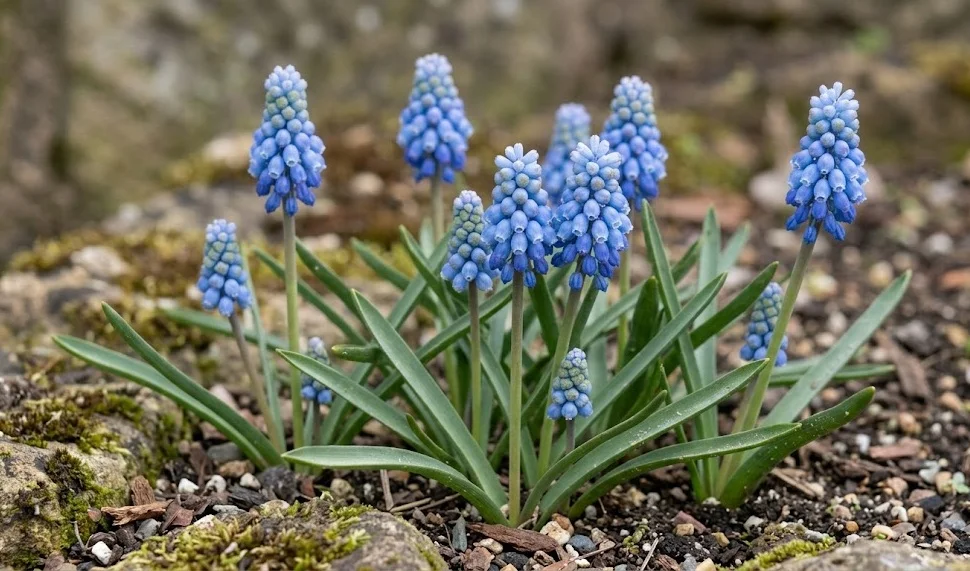

Ensuring the survival of azure grape hyacinth through the coldest months is a straightforward process when you understand the plant’s natural hardiness. These bulbs are remarkably cold-tolerant, having evolved in high-altitude environments where snow and ice are common. However, the challenges of winter involve more than just low temperatures, including the risks of moisture imbalance and physical disturbance. By implementing a professional overwintering strategy, you provide the protection needed for a robust and beautiful spring emergence.
Hardiness and temperature tolerance
The azure grape hyacinth is generally rated for cold hardiness across a wide range of climates, often surviving temperatures down to minus twenty degrees Celsius. This resilience comes from the bulb’s ability to store concentrated sugars, which act as a natural antifreeze for its internal tissues. In most temperate regions, the bulbs are perfectly safe staying in the ground year-round. This “set it and forget it” quality is one of the reasons they are so popular in professional landscaping.
Despite their hardiness, extreme and sudden temperature fluctuations can sometimes pose a risk. A mid-winter thaw followed by a deep freeze can trick the bulbs into starting their growth too early, only to have the tender shoots damaged by the returning cold. Maintaining a consistent soil temperature is the goal of a good overwintering plan. This is where the insulation provided by soil depth and mulch becomes incredibly valuable.
In the coldest regions, the snow cover itself acts as a brilliant natural insulator, keeping the ground temperature much warmer than the air above. If your area receives reliable snow, your bulbs are likely very well-protected throughout the winter. In areas with “dry” cold and no snow, the risk of the soil freezing deeply and drying out the bulbs is slightly higher. Understanding your local winter profile allows you to adjust your level of intervention accordingly.
For those growing azure grape hyacinth in containers, the rules are slightly different because the bulbs are more exposed. The soil in a pot can freeze much faster and more completely than the ground, which can be stressful for the plants. Moving containers to a more sheltered spot, such as against a south-facing wall or into an unheated garage, is a common professional practice. This provides the necessary cold period without the risk of the root ball becoming a solid block of ice.
More articles on this topic
Soil management and drainage
The greatest danger during the winter months is not the cold itself, but the presence of excessive moisture in stagnant soil. When the ground is frozen or saturated with melting snow, oxygen cannot reach the bulbs, and rot can set in very quickly. Ensuring that your planting site has excellent drainage is the most important thing you can do before winter arrives. If you know an area tends to collect water in the winter, it is not a suitable spot for these bulbs.
Autumn preparation involves clearing away any heavy, matting debris that could trap moisture against the soil surface. While a light mulch is beneficial, a thick layer of wet leaves can encourage fungal growth and prevent the soil from “breathing.” Aim for a clean, open surface that allows water to move through the profile easily. This simple act of hygiene can prevent many of the common winter-related failures.
If your soil is naturally heavy or clay-based, consider planting your bulbs in slightly raised mounds or “berms.” This elevates the bulbs above the highest point of saturation during the wet winter and early spring months. Even a few centimeters of elevation can make a massive difference in the survival rate of the colony. Professional gardeners often use this technique to incorporate bulbs into landscapes that would otherwise be too damp.
In areas with frequent winter rains, checking that drainage paths and gutters are clear is a vital part of winter maintenance. You don’t want a redirected stream of icy water flowing directly over your dormant bulb beds. Proper water management keeps the bulbs in a state of healthy dormancy rather than a struggle for survival. A dry bulb in winter is almost always a healthy bulb come spring.
More articles on this topic
The role of mulching
Mulching is a professional technique used to moderate soil temperature and protect the structure of the earth over winter. For azure grape hyacinth, a layer of about five centimeters of organic material like shredded bark, straw, or pine needles is ideal. This layer acts as a buffer against the “heaving” effect, where the soil repeatedly freezes and thaws, potentially pushing bulbs toward the surface. It also helps to suppress early-spring weeds that might compete with the emerging shoots.
The timing of mulch application is important; it should be applied after the first few light frosts but before the ground freezes solid. This allows the soil to cool down naturally while trapping a bit of that residual warmth for the root systems. If applied too early in the autumn, it might encourage rodents to nest in the warm soil and snack on your bulbs. Waiting for the right moment ensures the mulch serves its intended protective purpose.
In the spring, as temperatures begin to rise consistently, the mulch should be checked to ensure the shoots can break through easily. While most grape hyacinths are strong enough to push through a light layer, a very compacted or heavy mulch might need to be loosened. Some gardeners prefer to gently rake away the excess mulch once the green tips appear to allow the soil to warm up faster. This “unwrapping” of the garden is one of the first signs that spring has truly arrived.
Organic mulches also contribute to the long-term fertility of the site as they slowly break down over the winter and spring. They encourage the activity of earthworms and beneficial soil microbes that keep the earth loose and healthy. This cycle of protection and enrichment is a cornerstone of professional horticultural practice. Choosing the right mulch is a simple way to invest in the future health of your azure display.
Monitoring and winter observations
While the garden may look quiet in winter, there is still work for the observant gardener to do. After a heavy storm or a period of intense wind, check to see if any bulbs have been exposed or if the mulch has been blown away. Replacing the protective cover quickly ensures that the bulbs don’t suffer from “freeze-drying.” These small checks prevent minor issues from becoming fatal to the plants.
Keep an eye out for signs of animal activity, such as tunnels in the snow or disturbed soil patches. Winter is a time when food is scarce, and your bulb beds might be an attractive target for hungry wildlife. If you see evidence of digging, you may need to add some temporary wire mesh or repellents to protect the remaining stock. Being proactive in your observations saves a lot of disappointment when the spring thaw arrives.
Monitoring the weather patterns helps you anticipate when the first shoots might appear. An unusually warm February might bring the azure grape hyacinths out weeks earlier than expected. Knowing when to expect them allows you to clear away any remaining winter debris just in time. This coordination between human action and natural cycles is what makes gardening a professional craft.
Finally, winter is the perfect time for planning and reflecting on the performance of the previous year. Take note of which areas stayed the driest and which seemed to struggle with the cold. Use this information to refine your care techniques or to plan new plantings for the following autumn. The work of a professional gardener never truly stops; it just changes focus with the seasons.