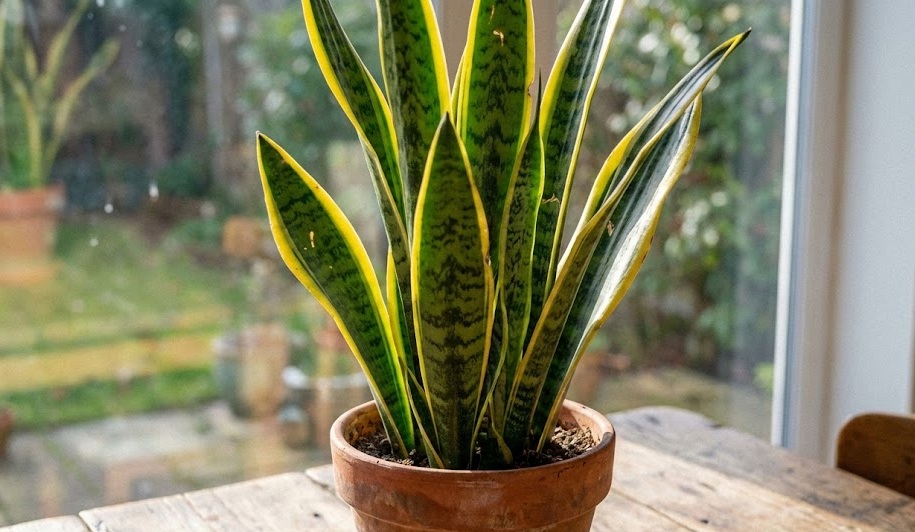

Mastering the hydration and nutritional needs of a variegated snake plant is the most important skill for ensuring its long-term survival and aesthetic beauty. You will find that more indoor plants of this species are lost to excessive watering than to any other cause, making restraint a key part of your strategy. A professional approach involves understanding the plant’s succulent nature, which allows it to store water in its thick, fibrous leaves for extended periods. By mimicking the natural cycles of drought and occasional heavy rain, you create an environment where the plant can truly thrive and maintain its rigid form.
The frequency of your watering routine must be dictated by the environmental conditions of your home rather than a rigid calendar schedule. You should always check the moisture level of the soil deep within the pot before deciding to add more water. Factors such as the amount of light, the ambient temperature, and the type of pot you are using will all influence how quickly the soil dries out. In a professional setting, this is referred to as “responsive watering,” which adapts to the plant’s actual needs rather than human convenience.
Fertilization is the second pillar of nutritional care, but it should be used sparingly to avoid harming the plant’s sensitive root system. You must remember that the variegated snake plant is a slow grower and does not require a constant influx of heavy nutrients to maintain its health. Over-fertilizing can lead to a buildup of salts in the soil, which can burn the roots and cause the leaf tips to turn brown and brittle. A light touch is always better when it comes to feeding these architectural wonders of the plant world.
During the active growing season, which spans from late spring to early autumn, your plant will have its highest demand for both water and nutrients. You should observe how the plant responds to your care during these months, as this is when you will see the most significant growth. As the days shorten and the temperatures cool in the winter, the plant’s metabolism slows down, necessitating a dramatic reduction in both watering and feeding. Aligning your care with these natural biological rhythms is the hallmark of an expert gardener.
General watering principles and techniques
When it is time to water your variegated snake plant, you should aim for a thorough soaking that reaches all parts of the root system. You should pour water onto the soil surface until it begins to run out of the drainage holes at the bottom of the pot. This “deep watering” method ensures that the roots at the bottom of the container are hydrated and encourages them to grow downward. It also helps to flush out any accumulated minerals or salts that may have built up in the potting medium over time.
More articles on this topic
One of the most important rules is to avoid getting water into the center of the leaf rosette, often called the “crown.” You should pour the water directly onto the soil around the perimeter of the pot to prevent moisture from sitting in the crevices where the leaves meet. If water remains trapped in the crown for too long, it can lead to bacterial or fungal rot that can kill the plant from the inside out. Using a watering can with a long, narrow spout is an excellent way to maintain precision and keep the foliage dry.
After watering, it is essential to empty any excess water from the saucer or cachepot after about thirty minutes. You must never allow your snake plant to sit in standing water, as this deprives the roots of oxygen and creates the perfect environment for rot. A professional gardener knows that “wet feet” is the quickest way to undermine the health of any succulent species. The soil should feel like a wrung-out sponge immediately after watering, never like a swamp or a puddle.
If you are unsure whether the plant needs water, it is always safer to wait a few more days. You will find that these plants are incredibly forgiving of being too dry, but they have almost zero tolerance for being too wet. You can use a wooden skewer or a moisture meter to check the soil moisture levels if you are struggling to judge by touch. Developing a keen sense of the soil’s condition is a fundamental skill that will serve you well across all areas of indoor horticulture.
Seasonal adjustments in hydration routines
As the seasons change, so do the metabolic needs of your variegated snake plant, and your watering habits must reflect this. During the heat of summer, you may find that the soil dries out completely every two weeks, requiring more frequent attention. You should monitor the plant closely during heatwaves, as high temperatures can increase the rate of evaporation from both the soil and the leaves. However, even in summer, you must ensure the soil is dry at least halfway down before adding more water.
More articles on this topic
When autumn arrives and the light levels begin to drop, you should start increasing the time between your watering sessions. You might notice that the plant takes three or four weeks to dry out as its growth slows in response to the changing light. This transition period is a critical time to avoid overwatering, as the plant cannot process moisture as quickly as it did in June. A professional approach involves being mindful of the weather and how it affects the microclimate inside your home.
In the winter months, the variegated snake plant enters a state of semi-dormancy where it requires very little water to survive. You should only water the plant once every six to eight weeks, or even less if your home is particularly cool and humid. The goal during winter is not to encourage growth but simply to keep the leaves from shriveling due to extreme dehydration. Many experts suggest that “neglecting” the plant in winter is actually the kindest thing you can do for its long-term health.
As spring returns and you see signs of new growth, you can gradually resume a more regular watering schedule. You should increase the frequency slowly to allow the root system to wake up and begin functioning at full capacity again. This gradual ramp-up prevents the shock that can occur if you suddenly switch from dry winter conditions to heavy summer watering. Understanding these seasonal shifts allows you to provide expert-level care throughout the entire year.
Signs of overwatering and underwatering
Learning to read the physical signals the plant sends is a vital part of professional troubleshooting. You should be concerned if you see leaves turning yellow, becoming soft and mushy, or falling over at the base. These are classic signs of overwatering and indicate that the root system is likely struggling or starting to rot. If you catch this early, you can often save the plant by letting the soil dry out completely and adjusting your future watering habits.
On the other hand, underwatering presents its own set of symptoms that are usually much easier to correct. You might notice that the leaves begin to wrinkle, lose their shine, or the tips start to turn brown and crispy. If the soil has pulled away from the sides of the pot, it is a sign that the medium has become hydrophobic and needs a thorough soaking. Fortunately, a variegated snake plant will usually bounce back quickly once it receives a proper drink of water.
It is important to distinguish between the natural aging of old leaves and the signs of a systemic watering problem. You might see a single outer leaf slowly turn brown and dry up over several months, which is a normal part of the plant’s lifecycle. However, if multiple leaves show signs of distress simultaneously, it is a clear indicator that the watering routine is out of balance. Being a professional observer means looking at the plant as a whole while also paying attention to individual leaves.
If you suspect root rot due to overwatering, the best course of action is to inspect the roots immediately. You should remove the plant from its pot and look for dark, slimy, or foul-smelling roots instead of firm, orange ones. Trimming away the damaged sections and repotting in fresh, dry soil can sometimes give the plant a second chance at life. This hands-on intervention is often necessary to stop the spread of decay within the plant’s vascular system.
Nutrient requirements and fertilizer types
To maintain the vibrant yellow borders of your variegated snake plant, you should provide a balanced diet of essential nutrients. You do not need expensive, specialized products; a high-quality, water-soluble fertilizer designed for succulents or cacti is usually sufficient. Look for a formula that has a balanced ratio of nitrogen, phosphorus, and potassium, often labeled as 10-10-10 or something similar. Nitrogen supports leaf growth, while phosphorus and potassium are essential for root health and overall plant resilience.
You must always dilute your fertilizer to at least half the strength recommended on the product packaging. Because these plants grow so slowly, they can easily be overwhelmed by high concentrations of minerals in the soil. Professional agronomists often suggest that “less is more” when it comes to feeding indoor succulents. A weak solution given occasionally is far safer and more effective than a strong dose given infrequently.
Organic fertilizers, such as worm castings or diluted seaweed extract, can also be beneficial for those who prefer a more natural approach. These options provide a broader range of micronutrients and help to support a healthy microbial population in the potting soil. You might find that organic options result in steadier, more robust growth compared to the quick bursts often seen with synthetic chemicals. Regardless of the type you choose, the key is consistency and moderation.
You should avoid using “time-release” fertilizer spikes or pellets, as they do not allow you to control the delivery of nutrients. These products can sometimes release too much fertilizer at once, especially if the temperature rises, leading to root burn. A liquid fertilizer allows you to be precise and to stop feeding the plant immediately if you notice any signs of stress. Taking control of the nutritional intake of your plant is a hallmark of professional-grade indoor gardening.
Application timing and professional feeding methods
The best time to fertilize your variegated snake plant is during its period of active growth in the spring and summer. You should aim to feed the plant once every four to six weeks during this time, depending on how much light and warmth it is receiving. If the plant is in a low-light area where growth is minimal, you should reduce the frequency even further to once every two months. Feeding a plant that isn’t growing is a waste of resources and can lead to toxic soil conditions.
You should always apply fertilizer to soil that is already slightly moist, never to bone-dry potting medium. Applying concentrated nutrients to dry roots can cause immediate chemical burns and severely damage the plant’s ability to take up water. A good technique is to water the plant lightly first, then follow up with the diluted fertilizer solution a few minutes later. This ensures that the nutrients are distributed evenly throughout the root zone and are easily absorbed.
As soon as the days begin to shorten in the late summer, you should stop fertilizing entirely for the remainder of the year. You must not feed the plant during the autumn or winter months, as it needs to rest and will not be able to use the nutrients effectively. Forcing growth during the dormant season results in weak, spindly leaves that are more prone to pests and diseases. Respecting the plant’s natural calendar is the key to maintaining its professional, architectural appearance.
If you notice a white, crusty buildup on the surface of the soil or around the rim of the pot, it is a sign of salt accumulation. You should flush the soil with clear, room-temperature water several times to wash away these excess minerals. This “leaching” process is a vital maintenance task that should be performed at least once a year to keep the root environment healthy. A professional gardener is always mindful of the invisible chemistry happening beneath the soil surface.

The “less is more” rule for watering Sansevieria cannot be overstated. From a physiological standpoint, these plants utilize Crassulacean Acid Metabolism (CAM), allowing them to close their stomata during the day to prevent water loss. This makes them exceptionally efficient at managing internal moisture but also highly susceptible to root rot if the surrounding medium remains saturated. In my professional laboratory trials, we have found that allowing the potting mix to dry out completely throughout the entire depth of the pot is the safest protocol. For fertilization, a balanced 10-10-10 ratio at quarter-strength twice during the growing season is more than sufficient. Over-fertilization leads to weak, floppy leaves that lose their architectural appeal. It is a plant that thrives on neglect.
I have a very large variegated snake plant in my office, and I honestly only water it about once every six weeks in the winter. It seems much happier than when I was watering it every two weeks. I noticed that the yellow margins on the leaves stay much brighter when the plant is on the drier side. Is there a specific type of water I should be using? I’ve heard that tap water with lots of fluoride or chlorine can cause brown tips on the leaves. Should I be using rainwater or filtered water instead for my Sansevieria?
While snake plants are generally less sensitive to water quality than something like a Peace Lily or a Spider Plant, they can still benefit from filtered water. If your tap water is very hard or heavily treated, you might see some salt buildup on the soil surface or the occasional brown leaf tip. I usually just let my tap water sit out overnight before using it. This allows some of the chlorine to dissipate and ensures the water is at room temperature. Using ice-cold water directly from the tap can actually shock the tropical roots of the plant. It’s a simple step that helps keep the plant looking its best.