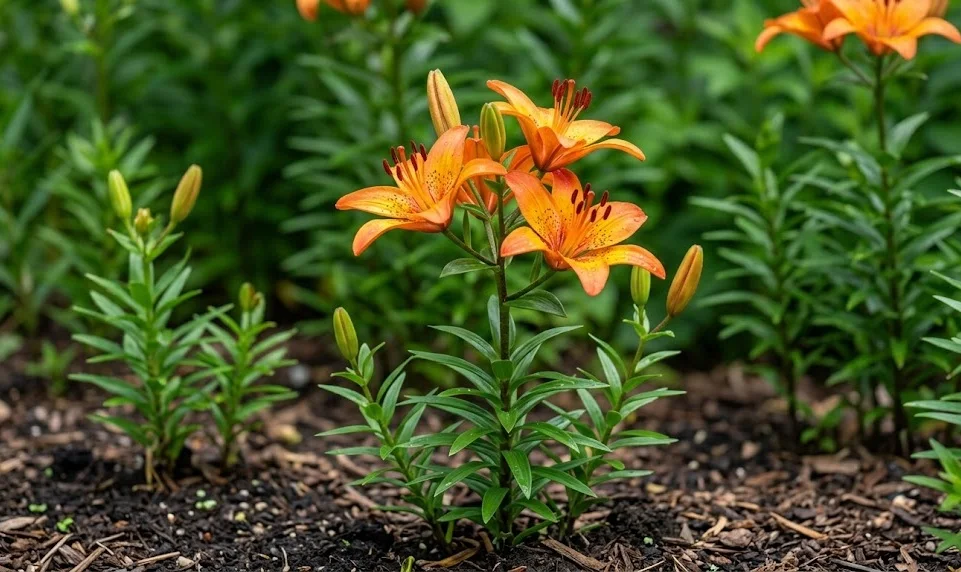

The practice of pruning and cutting back Asiatic lilies is a vital maintenance task that influences both the current season’s aesthetics and the long-term vigor of the bulbs. Unlike woody shrubs, lilies require a more nuanced approach that respects their need to store energy for the future while managing their immediate appearance. Many gardeners make the mistake of being too aggressive with their shears, inadvertently weakening their plants over time. Learning when and how to intervene with the growth of these perennials is essential for any professional-grade gardening routine.
Deadheading and flower removal
Deadheading is the process of removing spent flowers before they have a chance to develop seed pods at the top of the stem. For Asiatic lilies, this is a crucial task because producing seeds requires a significant amount of energy that would be better spent on the bulb. Once the petals have fallen and the remaining ovary begins to swell, use a sharp pair of scissors to snip off the flower head. Be careful to cut just below the base of the flower, leaving as much of the green stem as possible.
It is important to perform deadheading regularly throughout the blooming season as individual flowers fade at different times. This constant attention keeps the plant looking tidy and prevents the unsightly appearance of shriveled brown petals among the fresh blooms. By removing the old flowers, you are essentially “tricking” the plant into focusing its biological resources back into its underground storage system. This direct redirection of energy is what ensures that next year’s flowers will be just as large and numerous as the current ones.
When deadheading, always use clean tools to prevent the spread of any potential pathogens from one plant to another. A quick wipe with a disinfectant between different groups of lilies is a professional habit that pays off in a healthier garden. You should also be gentle when working around the plants, as the remaining flower buds and leaves are still quite fragile and easily damaged. Avoiding physical trauma to the stem ensures that the plant can continue its work of energy production without interruption.
Dispose of the removed flower heads in a compost pile or yard waste bin to keep the garden bed clean and free of debris. Leaving dead flowers on the ground can attract pests like slugs or provide a breeding ground for various fungal spores. A clean garden not only looks better but also functions more efficiently as an ecosystem for your ornamental plants. This simple act of sanitation is the first step in a professional post-bloom care routine that benefits the entire landscape.
More articles on this topic
Foliage retention and energy storage
The most critical rule of lily pruning is to never cut down the green foliage until it has naturally turned yellow or brown. Even after the flowers are gone, the leaves are the “solar panels” of the plant, busy converting sunlight into the sugars that will be stored in the bulb. If you cut the stem down to the ground immediately after flowering, you are effectively cutting off the plant’s food supply. This premature pruning is the most common reason for lilies failing to bloom or gradually disappearing from a garden over several years.
If the fading stems of the lilies bother you aesthetically, there are clever landscaping tricks you can use to hide them without harming the plant. Planting mid-to-late summer perennials like ornamental grasses, black-eyed Susans, or hostas nearby can provide a visual screen. As these neighboring plants grow taller, they will naturally cover the maturing lily stems while allowing them to continue their vital work. This “interplanting” strategy allows for a continuously beautiful garden while respecting the biological needs of each species.
During the late summer months, the leaves may start to look a bit worn or develop minor spots, but you should still resist the urge to prune them. As long as there is some green tissue left, the plant is still capable of performing some level of photosynthesis. Only if a leaf is completely dead or heavily infested with a disease should it be removed from the stem. Maintaining the maximum amount of leaf surface area is the goal for every serious lily grower during this transitional phase of the year.
You can monitor the progress of the energy storage phase by observing the color and texture of the stem and leaves. When the plant has successfully moved its reserves into the bulb, the foliage will naturally begin to lose its chlorophyll and become brittle. This is a sign that the plant is entering its dormant state and no longer needs the external structures for its survival. Once this transformation is complete, the risk of harming the bulb through pruning is eliminated, and you can proceed with the final cleanup.
More articles on this topic
Autumn cutback and garden cleanup
The final cutback of the Asiatic lily should occur in the late autumn after the first couple of frosts have turned the stems brown and dry. At this point, the connection between the stem and the bulb has withered, and the plant has effectively “shut down” for the winter. You can now safely cut the stems off about an inch or two above the soil surface using heavy-duty garden shears. Removing the old stems helps to prevent them from acting as “wicks” that can pull excess moisture down into the bulb during a wet winter.
It is highly recommended to bag and dispose of the old lily stems rather than leaving them in the garden or putting them in a cold compost pile. Many common lily pests and diseases, such as the lily leaf beetle or botrytis spores, can overwinter on the dead plant material. By removing this debris from the site, you are significantly reducing the “pest pressure” for the following spring season. A thorough autumn cleanup is one of the best preventative measures you can take for a low-maintenance garden in the future.
After the stems are removed, you can take the opportunity to lightly top-dress the area with some fresh compost or a thin layer of mulch. This provides a clean look for the winter and sets the stage for the bulbs to emerge into a nutrient-rich environment in the spring. Be careful not to disturb the soil too deeply during this process, as you do not want to accidentally damage the tops of the bulbs. Mark the location of the lilies with a small stake if you are worried about stepping on them or planting over them during the spring.
This final stage of the pruning cycle concludes the year’s work and allows the gardener a well-deserved rest while the bulbs sleep underground. The discipline of waiting for the right time to cut back your lilies is rewarded with healthier, more vigorous plants year after year. By following these professional guidelines for pruning and maintenance, you ensure that your Asiatic lilies remain a stunning and reliable feature of your garden for a long time. Consistent care and respect for the plant’s natural rhythm are the keys to successful lily cultivation.