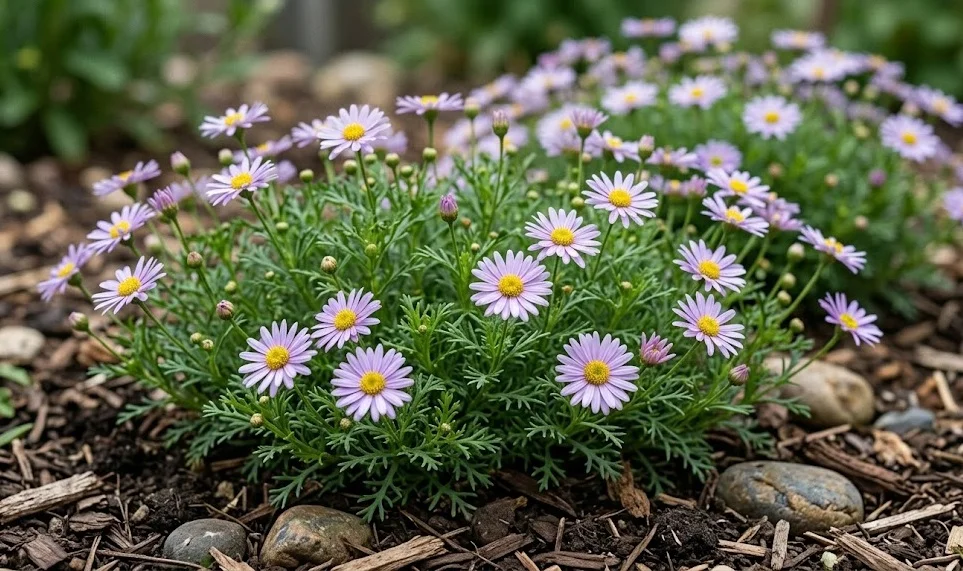

The Australian daisy is primarily native to regions with relatively mild winters, which means its ability to withstand freezing temperatures is quite limited. In most temperate climates, these plants are treated as annuals, being replaced every year once the cold weather arrives. However, for a professional gardener, the challenge of overwintering these beauties can be a rewarding way to preserve special cultivars. Success in this endeavor requires a clear understanding of the specific hardiness zone and the local microclimate of the garden.
Once the nighttime temperatures consistently drop below ten degrees Celsius, the plant’s metabolic processes begin to slow down significantly. This is the signal for the gardener to begin making decisions about which plants are candidates for preservation and which will be left to succumb to the frost. The goal of overwintering is not to keep the plant growing vigorously, but to keep it in a state of healthy dormancy. Preparing the plant for this transition is a delicate process that starts well before the first frost actually hits.
For those living in zones where light frosts are common but hard freezes are rare, providing some outdoor protection might be sufficient. This could involve moving pots to a sheltered spot against a south-facing wall or using frost blankets on particularly cold nights. The residual heat from the building can often provide just enough of a temperature buffer to keep the roots from freezing. This strategy works best for established, healthy plants that have built up some resilience throughout the growing season.
In colder regions, the only reliable way to ensure the survival of the Australian daisy is to bring it indoors. This transition should be handled with care to avoid shocking the plant with the sudden change in light and humidity levels. A professional approach involves a gradual acclimation period, moving the plant inside for increasing amounts of time over several days. This allows the plant to adjust its internal chemistry to the drier, dimmer environment of a typical home or garage.
Preparing the plant for indoor life
Before bringing any plant indoors, a thorough inspection for pests and diseases is an absolute necessity to protect other houseplants. Aphids, spider mites, and their eggs can easily hitch a ride and quickly become a major problem in the warm, still air of a house. Washing the foliage with a gentle stream of water and treating the soil with a mild insecticidal drench can help to ensure a clean transition. It is much easier to deal with these issues while the plant is still outside than after it has been moved inside.
More articles on this topic
Pruning is another essential step in the preparation process for overwintering an Australian daisy. Reducing the overall size of the plant by about a third helps to balance the reduced light levels it will encounter indoors. It also makes the plant more manageable and encourages it to focus its limited energy on maintaining its core structure. Removing any remaining flowers and seed heads is important, as these are a drain on the plant’s resources during its rest period.
The choice of indoor location will dictate how well the plant survives the winter months until spring returns. A cool, bright room such as an unheated sunroom or a well-lit basement is often the ideal environment for these daisies. They need enough light to prevent them from becoming excessively leggy, but they also benefit from cooler temperatures that discourage active growth. A temperature range of five to fifteen degrees Celsius is generally considered perfect for maintaining a healthy state of dormancy.
Humidity is often the biggest challenge when keeping outdoor plants inside during the winter, as indoor air is notoriously dry. Placing the pots on a tray filled with pebbles and water can help to increase the local humidity around the foliage. This prevents the leaves from becoming crispy and reduces the stress on the plant’s vascular system. A professional gardener knows that managing the air quality is just as important as managing the soil conditions during this period.
Winter maintenance and monitoring
During the overwintering period, the plant’s water requirements will be significantly lower than they were during the summer. The goal is to keep the soil just barely moist, allowing the top inch or two to dry out completely between waterings. Over-watering during the winter is the most common cause of failure, as the dormant roots are very susceptible to rot in cold, wet soil. A professional uses the “touch test” frequently to ensure that the hydration levels are appropriate for the plant’s reduced activity.
More articles on this topic
Fertilization should be completely halted during the winter months, as there is no need to stimulate growth when light levels are low. Adding nutrients now would only lead to weak, pale stems that are susceptible to disease and will likely die off in the spring. The plant should be allowed to rest and conserve its energy for the explosion of growth that will come with the returning sun. This period of quietude is a natural part of the plant’s life cycle that should be respected and supported.
Regularly checking for signs of stress or the emergence of pests is still necessary even while the plant is indoors. Some pests, like spider mites, thrive in the dry air of a heated home and can quickly take over a weakened plant. If you notice any yellowing leaves or unusual spots, it is important to investigate the cause and take corrective action immediately. Keeping the area around the pots clean and free of fallen debris will help to prevent many of these issues from starting.
As late winter approaches, you might see the first signs of new growth as the days begin to lengthen. This is a positive sign that the plant has survived the dormant period and is ready to begin its next cycle. However, it is important not to rush the plant back outside too early, as late frosts can be devastating. Patience is the hallmark of a professional who understands that the timing of the spring transition is just as critical as the autumn one.
Transitioning back to the garden
The process of moving the Australian daisy back outdoors in the spring is essentially the reverse of the autumn preparation. It begins with “hardening off,” which is the gradual exposure of the plant to the outdoor environment. Start by placing the pots in a sheltered, shady spot for a few hours during the warmest part of the day. Over the course of two weeks, slowly increase the amount of sunlight and the duration of time the plant spends outside.
Once the danger of frost has completely passed and the soil has warmed up, the plants can be returned to their permanent positions. This is an excellent time to give the plant a fresh start by repotting it with new, nutrient-rich soil. If the plant has become a bit overgrown during its time indoors, another light trimming can help to restore its shape. Applying a balanced, slow-release fertilizer will provide the necessary boost to kickstart the new season’s growth and flowering.
Observing how the overwintered plants perform compared to newly purchased ones can provide valuable insights for the future. Often, an overwintered daisy will have a more established root system and can produce an even more spectacular display than a young nursery plant. This confirms that the effort put into preservation was well worth it and adds a sense of continuity to the garden. It is a satisfying achievement that demonstrates a high level of horticultural skill and dedication.
Overwintering is not always successful, and a professional gardener accepts that some losses are part of the process. If a plant does not make it through the winter, it is an opportunity to analyze what went wrong and how to improve the technique next year. Every season brings new challenges and lessons that contribute to a deeper understanding of the plants we love. The Australian daisy remains a versatile and rewarding subject for those who are willing to go the extra mile in its care.