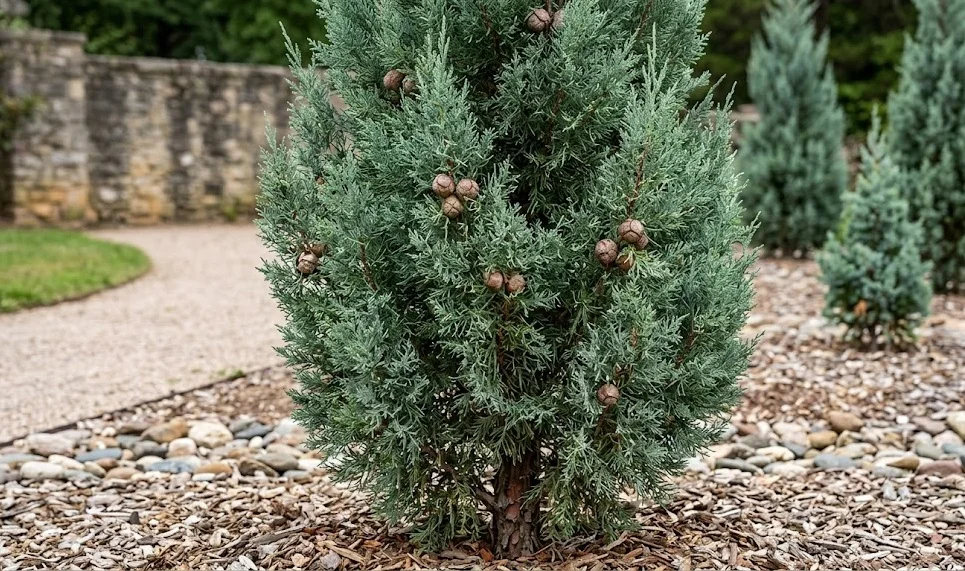

Caring for the Arizona cypress requires a deep understanding of its natural habitat in the southwestern United States and northern Mexico. This resilient evergreen tree is highly valued for its striking blue-green foliage and its ability to withstand challenging environmental conditions. To ensure that your specimen thrives in a garden setting, you must provide it with the specific care it needs throughout its life cycle. Taking the time to observe the tree’s development will help you intervene at the right moments to promote a dense and healthy structure.
The foundation of proper care begins with selecting the most appropriate location within your landscape to mimic its native arid environment. This tree naturally grows in well-drained soils and high-altitude areas where it receives plenty of sunlight and air circulation. If you plant it in an area with stagnant air or poor drainage, the foliage may lose its vibrant color and become susceptible to various health issues. Therefore, placing it in an open spot where it can grow without obstruction is a critical first step for any gardener.
A healthy Arizona cypress serves as a beautiful focal point or a functional windbreak, but it requires consistent monitoring of its foliage density. You should regularly check the inner branches for any signs of browning or excessive needle drop, which might indicate environmental stress. While the tree is known for its hardiness, it is not entirely maintenance-free, especially during its formative years when the root system is still establishing itself. By paying attention to these early signals, you can adjust your care routine to better suit the specific microclimate of your garden.
Soil health is another pillar of successful care that often gets overlooked by novice gardeners who assume the tree can grow anywhere. Although it is adaptable to different soil types, the Arizona cypress prefers a slightly acidic to neutral pH level for optimal nutrient uptake. You should avoid compacting the soil around the base of the tree, as this can restrict oxygen flow to the roots and hinder overall growth. Adding a thin layer of organic mulch can help regulate soil temperature and keep the root zone healthy without retaining too much moisture.
Seasonal care routines and environmental monitoring
As the seasons change, the needs of your Arizona cypress will shift to accommodate the different weather patterns and growth phases. During the spring, the tree experiences a flush of new growth, which is the perfect time to assess its overall vigor and structural integrity. You might notice the tips of the branches turning a brighter shade of green as the sap begins to flow more freely through the vascular system. This is the period when the tree is most active and requires the most support in terms of environmental stability.
More articles on this topic
In the height of summer, heat management becomes the primary focus of your care routine to prevent the tree from becoming overly stressed. Even though this species is remarkably drought-tolerant, extreme heatwaves can still take a toll on the moisture levels within the needles. You should keep an eye on the soil moisture levels, ensuring that the ground does not become completely parched for extended periods of time. Providing occasional deep hydration during these peak temperatures will help the tree maintain its structural resilience and prevent branch brittleness.
Autumn serves as a transitional phase where you should prepare the tree for the upcoming dormant period of the winter months. This is an excellent time to clean up the area around the base of the trunk by removing fallen debris or dead weeds. By keeping the base clear, you reduce the risk of fungal spores overwintering near the tree and causing problems in the following spring. You should also stop any heavy interventions during this time to allow the tree to naturally slow down its metabolic processes.
The winter months require a more hands-off approach, but you should still monitor the tree for physical damage caused by heavy winds or snow. Because the Arizona cypress has a relatively dense canopy, it can act as a sail during winter storms, putting pressure on the trunk and roots. If you live in an area with heavy snowfall, you may need to gently shake the branches to prevent the weight from snapping them. Maintaining a vigilant eye during the coldest months ensures that the tree emerges in spring without any significant setbacks.
Soil management and maintaining root health
The health of the root system is directly linked to the quality and structure of the soil in which the Arizona cypress is planted. Because these trees have a wide-reaching root network, they require a soil structure that allows for easy penetration and lateral expansion. Heavy clay soils can be problematic because they trap moisture and prevent the roots from breathing properly, leading to potential decay. If your garden has heavy soil, you might consider incorporating coarse sand or gravel to improve the internal drainage characteristics.
More articles on this topic
Aeration is a vital component of root health that many gardeners neglect once the tree has reached a certain size. Over time, the soil around the tree can become compacted due to foot traffic or natural settling, which limits the movement of air and water. You can periodically use a garden fork to gently loosen the soil surface without disturbing the delicate feeder roots that sit near the top. This simple act of aeration can significantly improve the tree’s ability to absorb essential minerals and water from the surrounding environment.
Maintaining a stable soil environment involves more than just physical structure; it also includes managing the biological life within the earth. Beneficial fungi and bacteria play a crucial role in breaking down organic matter and making nutrients available to the cypress roots. You should avoid using heavy chemical treatments that might disrupt this natural balance and harm the microscopic organisms that support the tree. A healthy soil biome acts as a natural defense system, helping the tree resist environmental stressors more effectively.
Applying mulch is an effective way to protect the soil and the roots from extreme temperature fluctuations throughout the year. A layer of wood chips or bark mulch around the base of the tree helps to conserve moisture while also suppressing weed growth. It is important to leave a small gap between the mulch and the trunk to prevent moisture from sitting directly against the bark, which could lead to rot. This protective layer also decomposes slowly over time, contributing valuable organic matter back into the soil for the tree to use.
Monitoring growth patterns and structural integrity
The Arizona cypress is known for its rapid growth rate, which means that its structural integrity must be checked regularly to ensure safety. As the tree gains height, the weight of the branches and the thickness of the trunk must remain in balance to support the overall mass. You should observe the central leader of the tree to make sure it remains straight and dominant, as this provides the necessary vertical stability. If multiple leaders begin to compete, it can lead to a weaker structure that is more prone to splitting during heavy winds.
Regularly inspecting the branches for any signs of weakness or structural flaws can prevent major issues before they become unmanageable. Look for any sharp V-shaped crotches between branches, as these are naturally weaker than wider, U-shaped attachments. If you notice any branches that are rubbing against each other, it is important to address them to prevent bark damage and potential infection sites. Keeping the interior of the canopy relatively clear of dead wood also improves airflow and reduces the overall wind resistance of the tree.
The density of the foliage is a great indicator of how well the tree is adapting to its specific location in your garden. A sparse or thinning canopy may suggest that the tree is not receiving enough light or that there is an underlying issue with the root system. On the other hand, an excessively dense canopy can sometimes hide structural issues or provide a haven for pests and diseases. By maintaining a balance between foliage density and structural visibility, you can keep the tree looking its best while ensuring its long-term health.
As the tree matures, you may find that its growth slows down slightly, which is a natural part of its aging process. This transition from a fast-growing juvenile to a more stable mature specimen requires a shift in your observation focus. Instead of looking for rapid height gains, you should look for signs of wood hardening and trunk thickening, which indicate a strong and healthy tree. Understanding these different growth stages allows you to provide the right type of support at the right time for your Arizona cypress.
Interaction with other garden plants and landscaping
When incorporating an Arizona cypress into your landscape, it is important to consider how it will interact with the surrounding vegetation. Because this tree can grow quite large, it will eventually cast a significant shadow over nearby plants and compete for resources in the soil. You should choose companion plants that share similar water and light requirements to ensure that the entire garden bed remains healthy. Drought-tolerant shrubs and perennials are often the best choices for planting near the base of a cypress.
The aesthetic impact of the Arizona cypress is significant, as its unique color and texture provide a sharp contrast to more traditional green garden plants. Its silvery-blue needles can serve as a stunning backdrop for plants with bright flowers or dark purple foliage, creating a visually dynamic garden space. However, you must be careful not to plant smaller, sun-loving species too close to the cypress, as they may eventually be shaded out. Strategic placement is key to ensuring that every plant in the area has enough space and light to thrive.
Competition for water and nutrients is a real factor when planting a large evergreen like the Arizona cypress in a mixed border. Its extensive root system can be quite aggressive when searching for moisture, which might leave less for smaller, more delicate garden inhabitants. To mitigate this, you can focus on planting deep-rooted companions or those that are particularly efficient at using available resources. Regularly monitoring the health of all plants in the vicinity will help you identify if any are being outcompeted by the cypress.
Using the Arizona cypress as a natural screen or windbreak is one of its most popular applications in landscaping and agriculture. When planted in a row, these trees create a dense barrier that can protect more sensitive parts of your garden from harsh winds and dust. This functional use of the tree requires even more careful spacing during the initial planting phase to ensure that each tree has enough room to expand. A well-placed line of cypress trees not only provides privacy but also creates a microclimate that can benefit the rest of your landscape.
Common maintenance mistakes to avoid
One of the most common mistakes people make when caring for an Arizona cypress is overwatering, which can be fatal to this drought-adapted species. Because it evolved in dry climates, its roots are not designed to sit in waterlogged soil for long periods without consequences. You should always allow the top few inches of soil to dry out completely before considering adding more water to the area. If the needles start to turn yellow or the branches feel soft and mushy, it is often a sign that the tree is receiving too much moisture.
Another frequent error is planting the tree too deep in the ground, which can suffocate the roots and lead to trunk rot at the base. The flare of the trunk, where the roots begin to spread out, should always be visible at the soil surface or slightly above it. If the trunk is buried under too much soil or mulch, it creates a dark, damp environment that is perfect for wood-decaying organisms to thrive. Correcting the planting depth early on is much easier than trying to save a tree that has already begun to suffer from base rot.
Neglecting the tree’s need for full sun is a mistake that often leads to a sparse, unhealthy appearance and increased susceptibility to disease. Some gardeners try to plant the Arizona cypress in partially shaded areas, hoping it will adapt, but this rarely produces good results. Without sufficient sunlight, the tree cannot produce enough energy through photosynthesis to maintain a dense canopy or a strong immune system. If you notice the tree leaning heavily toward the light or losing its inner foliage, it is likely not getting enough sun.
Finally, many people make the mistake of using heavy-duty fertilizers without first testing the soil to see what is actually needed. Adding too much nitrogen can lead to rapid, weak growth that is more susceptible to breaking in the wind or being attacked by pests. It is always better to take a minimalist approach to fertilization, providing only what is necessary to support steady, healthy development. Understanding that this tree is naturally adapted to nutrient-poor soils will help you avoid the pitfalls of over-fertilization and keep your tree healthy.
Longevity and long-term health strategies
The Arizona cypress is a long-lived species that can grace your landscape for many decades if it receives the proper care from the beginning. To ensure its longevity, you should focus on building a strong foundation through consistent but non-intrusive maintenance practices. This involves monitoring the tree’s health regularly without constantly interfering with its natural growth patterns. A tree that is allowed to grow at its own pace in a supportive environment is much more likely to live a long and productive life.
As the tree reaches maturity, its maintenance needs will naturally decrease, but the importance of periodic inspections remains high. Older trees may develop different issues than younger ones, such as heartwood decay or structural imbalances that only become apparent over time. You should keep an eye on the health of the main trunk and the primary scaffold branches to ensure they remain solid and free of major cracks. Taking a proactive approach to tree health helps you catch minor issues before they escalate into life-threatening problems for the specimen.
Documenting the growth and health of your Arizona cypress over the years can be a helpful way to track its progress and identify patterns. By keeping a simple log of when you water, fertilize, or prune, you can see how the tree responds to different interventions and environmental changes. This information becomes invaluable as the tree grows, allowing you to make more informed decisions about its care. Every tree is an individual, and learning the unique characteristics of your specific cypress will lead to better results in the long run.
Ultimately, the key to the long-term success of an Arizona cypress is respect for its natural requirements and its resilient spirit. These trees have survived in some of the harshest environments on the planet, and they bring that same toughness to your garden. By providing them with plenty of light, excellent drainage, and just enough attention to keep them on the right track, you can enjoy their beauty for years to come. A well-cared-for Arizona cypress is not just a plant; it is a living testament to the beauty and endurance of nature.