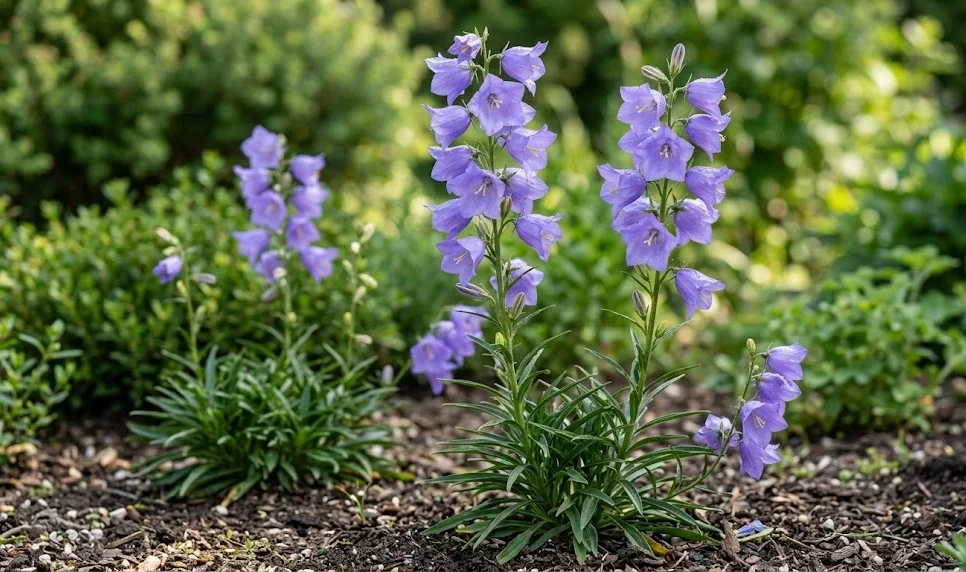

Light is the primary energy source for any plant, and for the peach-leaved bellflower, getting the right amount of sun is the difference between a spindly plant and a floral powerhouse. This species is remarkably adaptable, but it has a clear preference for specific lighting conditions that mimic its native habitats in open woodlands and meadows. In a professional garden setting, positioning your bellflowers correctly within the light landscape is one of the most important decisions you will make. Understanding how light intensity and duration affect the plant’s growth will help you achieve the best possible results.
In general, the peach-leaved bellflower thrives in a location that receives full sun to partial shade, meaning at least four to six hours of direct light daily. In cooler, northern climates, the plant can often handle full sun throughout the entire day, provided it has enough moisture to stay hydrated. The bright light encourages the development of strong, sturdy stems that can support the weight of the large, bell-shaped flowers without leaning. It also intensifies the color of the blossoms, making those blues and whites truly stand out in the garden.
However, in regions with very hot and intense summer sun, some afternoon shade is highly beneficial to the health of the plant. Excessive heat and direct midday sun can cause the flowers to fade prematurely and may even lead to scorched or wilted foliage. Providing a spot where the plant is protected from the strongest rays of the day helps extend the blooming period and keeps the leaves looking fresh. This balance of light and protection is a key consideration for gardeners in warmer zones.
The quality of the light is just as important as the quantity when it comes to the overall aesthetic of your bellflower display. Dappled sunlight, such as that found under the canopy of a large, high-branched tree, is often considered the ideal environment. This provides a bright but softened light that prevents heat stress while still giving the plant plenty of energy for photosynthesis. Observing how the shadows move across your garden at different times of the year will help you find the perfect “sweet spot” for your plants.
Impact of shade on growth
While the peach-leaved bellflower is often listed as shade-tolerant, it is important to understand what “shade” means for its actual performance. In deep, heavy shade where very little direct light reaches the ground, the plant will likely survive but will not flourish. You will often see the stems becoming “leggy” as they stretch toward the nearest light source, and the number of flowers will be significantly reduced. For a professional-looking garden, it is best to avoid these dark corners unless you are prepared for a more minimalist display.
More articles on this topic
Light shade or partial shade, however, can be a great asset, especially for the white-flowered varieties of the bellflower. These white blooms seem to glow in the softer light of a shaded border, creating a luminous effect that is lost in the bright, harsh sun. If you are gardening in a space with limited sun, focus on these lighter-colored cultivars to maximize the visual impact of your plants. This strategic use of color and light is a common technique used by professional garden designers to brighten up darker spaces.
The transition between light and shade also affects the timing of the flowering period for your bellflowers. Plants in sunnier locations will typically bloom earlier in the season, while those in shadier spots may follow a week or two later. You can use this to your advantage by planting your bellflowers in various light conditions across your garden to extend the overall blooming season. This clever bit of planning ensures you have bellflowers in bloom for as long as possible throughout the summer.
If you find that your bellflowers are struggling in a spot that has become too shaded over the years due to growing trees or shrubs, they are easy to move. These plants have a relatively shallow root system, making transplanting a simple task in the early spring or autumn. Moving them to a sunnier location will often result in a dramatic improvement in their vigor and flowering within a single season. Don’t be afraid to adjust your garden’s layout as the light conditions change over time.
Regional variations and light
The ideal light for your bellflowers will vary significantly depending on your geographical location and the specific climate of your region. Gardeners in northern latitudes, where the sun’s rays are less intense, should prioritize the sunniest spots in their gardens for this species. Here, the extra light helps warm the soil and provides the maximum amount of energy for the relatively short growing season. Every bit of sunshine is valuable in these cooler environments to ensure a full and vibrant floral display.
In contrast, southern gardeners need to be much more mindful of the potential for heat stress and sun damage. In these areas, a location with “morning sun and afternoon shade” is almost always the best choice for the peach-leaved bellflower. This allows the plant to get its energy early in the day when temperatures are lower, then rest during the hottest hours. Without this protection, the plant may go dormant prematurely or suffer from chronic dehydration, regardless of how much you water it.
The altitude of your garden can also influence the intensity of the light and how it affects your plants. At higher elevations, the atmosphere is thinner, and the UV rays are much stronger, which can be tough on the delicate petals of the bellflower. Gardeners in mountainous regions may find that their plants need a bit more shade than those at sea level, even if the air temperatures are similar. Understanding these subtle environmental factors is what separates a casual gardener from a true professional.
Finally, consider the reflective surfaces in your garden, such as white walls or light-colored fences, which can increase the light intensity in a specific area. These surfaces can create “hot spots” that provide more light than you might expect, potentially benefiting plants in a shady corner or stressing those already in the sun. Use these features to your advantage to fine-tune the light levels for your bellflowers. With a little observation and adjustment, you can provide the perfect lighting environment for these elegant perennials to shine.