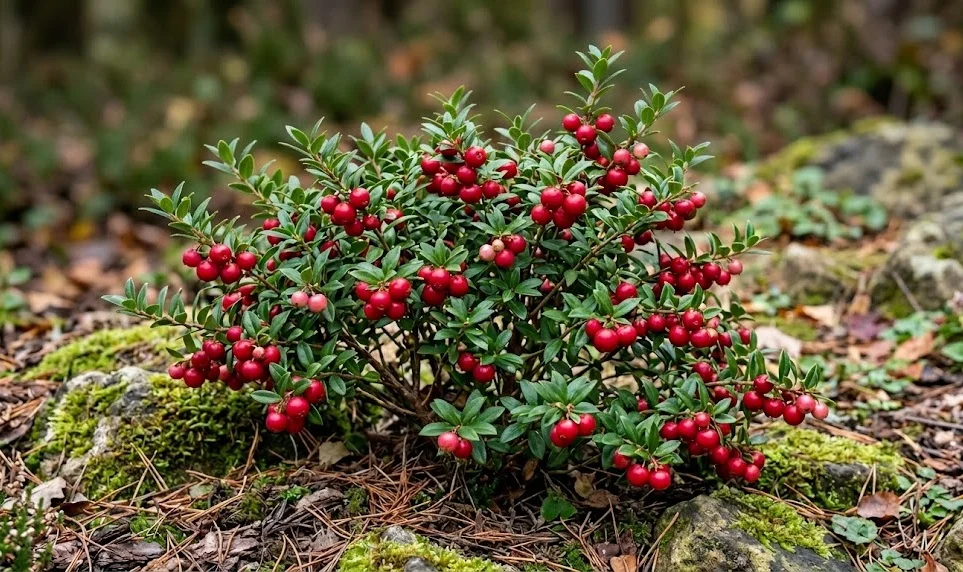

Successful establishment of prickly heath begins with a thoughtful planting process that prioritizes the plant’s specialized soil requirements and root sensitivity. Because this shrub is an ericaceous species, it cannot tolerate lime or alkaline conditions, which makes site preparation the most critical step in the entire process. You should aim to plant during the cooler months of autumn or early spring to allow the roots to settle before the stress of summer heat. Proper planting not only ensures the survival of the shrub but also sets the foundation for years of vibrant berries and foliage.
Before you even dig a hole, you must assess the soil in your chosen location to ensure it meets the necessary acidity levels. If your garden soil is naturally alkaline, you will need to replace a significant portion of it with an ericaceous compost or plant in large containers. The planting hole should be twice as wide as the root ball but no deeper, as burying the stem too far can lead to rot. You should mix the existing soil with organic matter like pine bark or leaf mold to improve the structure and acidity of the planting site.
When you are ready to place the plant in the ground, handle the root ball with extreme care to avoid damaging the delicate, fibrous roots. You should gently loosen any circling roots if the plant has been in a pot for a long time, but avoid shaking off all the original soil. Position the shrub so that the top of the root ball is level with the surrounding soil surface to ensure proper trunk health. Once in place, backfill the hole firmly but gently, avoiding the temptation to stomp the soil down too hard, which can compress the roots.
Immediately after planting, you must water the shrub thoroughly to settle the soil and eliminate any air pockets around the roots. Applying a layer of acidic mulch, such as wood chips or pine needles, will help retain moisture and keep the roots cool during the first critical weeks. You should continue to monitor the moisture levels closely for the first full growing season, as the plant is particularly vulnerable to drying out before it is established. A successful planting operation is the first and most important step toward a beautiful and healthy evergreen display.
Propagation from semi-ripe cuttings
Propagating this shrub from cuttings is a popular and effective method for creating new plants that are identical to the parent. You should take semi-ripe cuttings in late summer or early autumn, choosing healthy stems that have started to go woody at the base but are still green at the tip. These cuttings should be approximately ten to fifteen centimeters long and taken from the current year’s growth for the best chance of success. Using sharp, clean secateurs is essential to make a clean cut that will heal quickly and develop roots efficiently.
More articles on this topic
Once you have harvested your cuttings, you should remove the leaves from the bottom half of the stem to prevent them from rotting in the soil. You can dip the base of each cutting into a rooting hormone powder to stimulate root development, although this is not strictly necessary for this species. Plant the cuttings in a mixture of peat and perlite or a specialized seed and cutting compost that provides excellent drainage and aeration. Maintaining a high level of humidity around the cuttings is crucial, so covering them with a clear plastic bag or placing them in a propagator is highly recommended.
The cuttings need a bright but indirect light source and should be kept at a consistent temperature to encourage steady root growth. You should check the moisture levels regularly, ensuring the soil remains damp but never waterlogged, which could lead to fungal issues. It typically takes several weeks or even a few months for a strong root system to form, so patience is required during this phase. You can test for roots by giving the cuttings a very gentle tug; if you feel resistance, it means the roots have successfully anchored themselves into the substrate.
After the cuttings have developed a robust root system, you should gradually acclimate them to drier air by removing the plastic covering for longer periods each day. Once they are fully hardened off, you can transplant them into individual pots filled with an ericaceous potting mix to continue their growth. You should keep these young plants in a sheltered spot for their first winter before planting them out in their permanent garden positions the following spring. Propagation through cuttings allows you to expand your collection of specific cultivars without the cost of buying new plants from a nursery.
Propagation by seed and stratification
Growing this species from seed is a more time-consuming process, but it can be highly rewarding for patient gardeners who enjoy watching the full lifecycle. You should collect the ripe berries in late autumn or winter and carefully extract the tiny seeds from the fleshy pulp. It is important to wash the seeds thoroughly to remove any fruit residue, as this can contain growth inhibitors or attract mold during the germination process. Because these seeds have a natural dormancy, they require a period of cold stratification to simulate a natural winter before they will sprout.
More articles on this topic
To stratify the seeds, you can place them in a bag of damp sand or vermiculite and keep them in the refrigerator for about two to three months. This cold treatment breaks the seed’s internal dormancy and prepares it for the warming temperatures of spring. After the stratification period is complete, you should sow the seeds on the surface of an acidic seed-starting mix, as they require some light to germinate. Press them gently into the soil but do not cover them with a thick layer of earth, as this might prevent them from sprouting.
Germination can be slow and irregular, often taking several weeks or even months depending on the temperature and light conditions. You must keep the soil consistently moist and provide a warm environment, ideally around twenty degrees Celsius, to encourage the seedlings to emerge. Once the young plants have developed several true leaves, they can be carefully thinned out or moved into larger containers. Growing from seed is an excellent way to produce a large number of plants, though keep in mind that the offspring may vary slightly from the parent plant.
The young seedlings are quite delicate and need protection from direct sunlight and harsh weather during their first year of life. You should continue to use acidic water and soil as they grow, ensuring they develop the strong root systems necessary for survival. It may take several years for a seed-grown plant to reach a size where it begins to flower and produce its own berries. Despite the length of the process, propagation by seed is a fascinating way to contribute to the genetic diversity of your garden and experience the full growth journey of this shrub.
Division and layering techniques
Division is another method of propagation that works well for older, established shrubs that have developed a multi-stemmed, spreading habit. You should perform this task in early spring before the new growth starts, carefully lifting the entire plant or a portion of it from the ground. Using a sharp spade or garden saw, you can divide the root mass into smaller sections, ensuring that each new piece has a healthy amount of roots and at least one strong stem. This method provides you with larger, more mature plants almost instantly compared to cuttings or seeds.
After dividing the plant, you must replant the new sections immediately into well-prepared, acidic soil to minimize root stress. These divisions will require extra water and attention during their first season as they work to re-establish their root systems in their new locations. It is often a good idea to prune back the top growth slightly to balance the loss of roots that occurred during the division process. This technique is not only a way to gain new plants but also a great method for rejuvenating an old, overgrown specimen that has lost its vigor.
Layering is a much gentler propagation technique that takes advantage of the plant’s natural tendency to root where its branches touch the ground. You can encourage this process by selecting a low-growing, flexible branch and pinning a section of it to the soil surface. Before pinning it down, you can make a small nick on the underside of the stem where it touches the earth to stimulate root formation at that point. Covering the pinned section with a bit of acidic soil and a heavy stone will keep it in place and maintain the necessary moisture for rooting.
This “slow and steady” method can take a full year or more before the layered branch has developed enough roots to survive on its own. You should periodically check the progress by gently clearing away the soil around the pinned area to look for root growth. Once the new root system is well-developed, you can sever the branch from the parent plant and move the new shrub to its desired location. Layering is an excellent low-effort way to propagate this species, as the parent plant continues to provide nutrients and water to the offspring throughout the entire process.