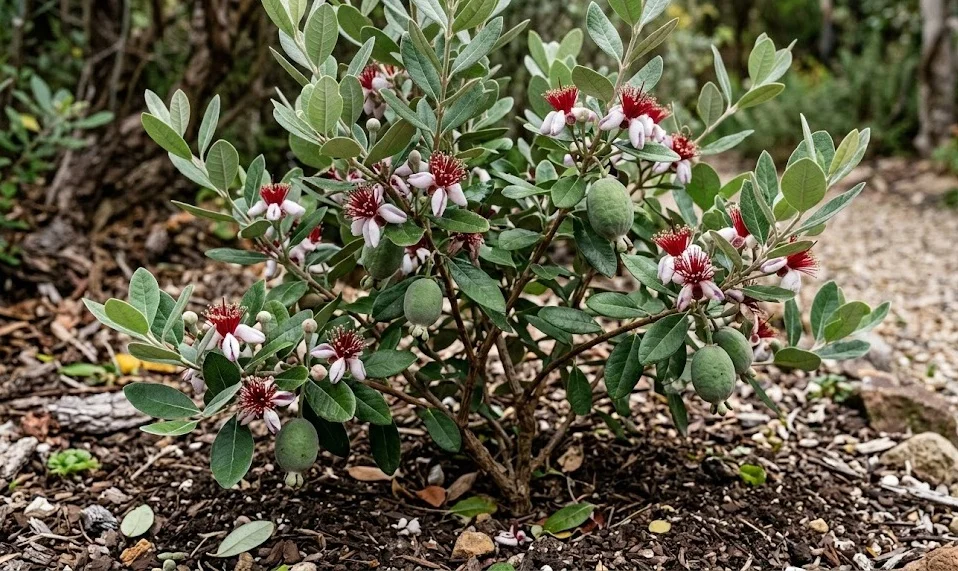

Understanding the light requirements of the pineapple guava is fundamental to achieving a healthy balance between vegetative growth and fruit production. This plant is a sun-lover by nature, originating from high-altitude regions where it receives intense solar radiation throughout the year. However, its adaptability allows it to tolerate various lighting conditions, making it a versatile choice for many different garden designs. Managing how much and what quality of light your shrub receives will directly impact its structural integrity and the sweetness of its harvest.
Understanding solar exposure
The pineapple guava performs at its peak when it is situated in a location that receives full sun, meaning at least six to eight hours of direct light daily. This level of exposure is necessary for the plant to generate enough energy for the development of its unique and complex flowers. Without sufficient sunlight, you may find that the shrub grows quite tall and leggy as it reaches for more light, which can weaken the branches. Furthermore, the number of flowers produced is often directly proportional to the amount of light the plant has enjoyed during the previous months.
The quality of light also plays a role in the aesthetic appearance of the foliage, particularly the striking contrast between the green tops and silver undersides of the leaves. In full sun, the leaves tend to be more compact and have a thicker, waxy coating that helps the plant conserve moisture. You will notice that the silvery sheen is more pronounced when the plant is well-lit, adding a beautiful shimmering effect to your garden landscape. Providing a bright location ensures that the ornamental value of the shrub is fully realized throughout the entire year.
In regions with extremely high temperatures, the type of sun the plant receives can be just as important as the quantity. Morning sun combined with some light afternoon shade can be a perfect compromise in scorching climates where the midday heat might stress the plant. This allows the shrub to get the light it needs for photosynthesis while being protected from the most intense radiation that could lead to leaf scorch. Observing how the plant reacts to the sun in your specific location will help you fine-tune its placement for the best possible results.
If you are planting a hedge of pineapple guavas, you should consider the orientation of the row to ensure each plant receives equal light. A north-south orientation usually provides the most consistent exposure for both sides of the hedge as the sun moves across the sky. If one side is permanently shaded, it may become sparse and less productive over time, leading to an uneven and less attractive appearance. Proper planning of the lighting environment is the first step toward a successful and beautiful planting.
More articles on this topic
Balancing shade and intensity
While this species is definitely a sun-loving plant, it does possess a surprising degree of shade tolerance compared to many other fruiting shrubs. In partial shade, the pineapple guava will still grow and maintain its attractive evergreen foliage, though its growth rate will be somewhat slower. This makes it an excellent choice for those parts of the garden that receive dappled light or only half a day of direct sun. However, it is important to manage your expectations regarding fruit production in these less-than-ideal lighting conditions.
The primary drawback of growing the plant in significant shade is a noticeable reduction in the quantity and quality of the fruit. Shaded plants often produce fewer flowers, and the fruits that do develop may be smaller and take much longer to reach maturity. If your main goal is a heavy harvest of sweet fruit, you should prioritize a sunny spot and save the shadier areas for ornamental use only. You can also compensate for lower light by ensuring the plant is not competing with other large trees for water or nutrients.
Intense, direct sunlight in very dry climates can sometimes lead to leaf burn, especially if the plant is not properly hydrated. You might see brown, crispy edges on the leaves or a general fading of the vibrant green color if the light intensity is too high for the plant to handle. In these cases, using a temporary shade cloth during the hottest weeks of summer can provide the necessary relief. Maintaining a thick layer of mulch also helps by keeping the roots cool even when the top of the plant is in full sun.
Reflected light from light-colored walls or fences can also be used to your advantage in cooler or cloudier climates. This additional light can help warm up the plant and provide the extra energy needed for fruit ripening in areas where the summers are short. Be careful, however, as this reflected heat can also increase the plant’s water needs and could potentially lead to sunscald on the bark. Managing light is about finding the right balance for your specific microclimate to ensure the plant remains healthy and productive.
More articles on this topic
Light impacts on fruit development
The process of fruit ripening is heavily dependent on the amount of light that can penetrate the interior of the shrub’s canopy. Fruits that are hidden deep within a dense cluster of leaves often fail to develop the same level of sweetness as those exposed to the sun. This is because the sugars that make the fruit delicious are produced through photosynthesis, which requires direct light on the surrounding leaves. You can improve your harvest by performing light structural pruning to allow more light into the center of the plant.
As the fruit reaches its final stages of growth in the autumn, the intensity of the light helps to concentrate the aromatic compounds that give the fruit its unique flavor. This is why fruit harvested from the sunny side of a shrub often tastes better than those from the shaded side. If you live in a region with cloudy autumns, you might find that the fruit quality varies significantly from year to year depending on the weather. Maximizing light exposure is the best way to ensure a consistently high-quality crop regardless of the seasonal fluctuations.
The timing of the flowering stage is also influenced by the seasonal changes in light duration and intensity. A plant that receives plenty of early spring sun will often bloom sooner and have a longer window for the fruit to develop before the first frosts. This can be a critical advantage for gardeners in cooler zones who need every possible day of warmth to bring the crop to maturity. Sunlight is essentially the fuel that drives the entire reproductive cycle of the pineapple guava from start to finish.
In summary, light is the most important environmental factor for the successful cultivation of this beautiful and productive plant. Whether you are growing it for its stunning flowers, its silver-green foliage, or its delicious fruit, providing the right amount of sun is essential. By understanding the plant’s needs and observing how it interacts with the light in your garden, you can create the perfect environment for it to thrive. A well-lit pineapple guava is a resilient and generous addition to any landscape or home orchard.