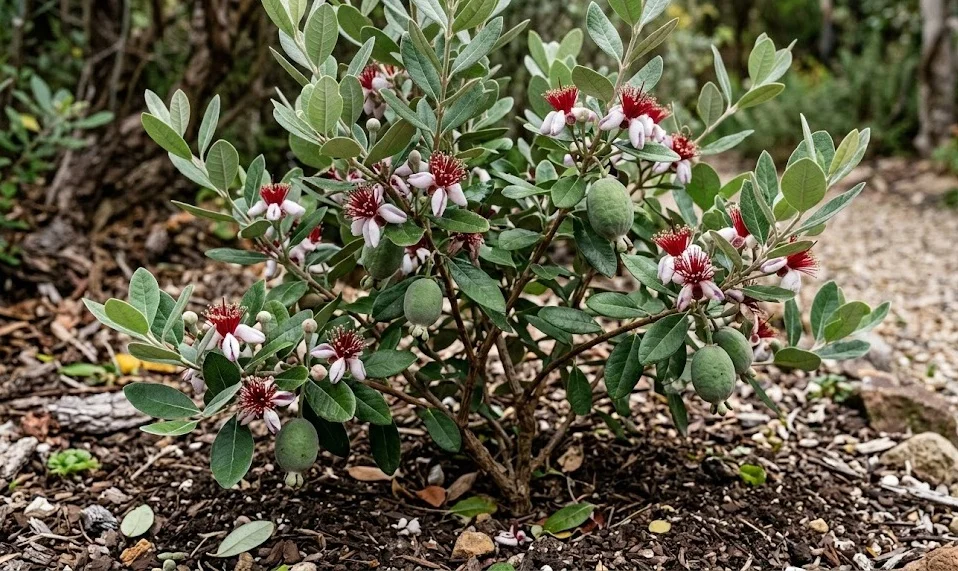

Managing the pineapple guava during the winter months is essential for ensuring its survival and productivity in regions where frost is a common occurrence. Although this evergreen shrub is remarkably hardy for a subtropical species, extreme cold can still cause significant damage to its foliage and structural wood. Preparing the plant for the dormant season involves more than just physical protection; it requires a shift in maintenance habits and careful monitoring of the weather. By taking the right steps before the first freeze, you can ensure that your shrub emerges in the spring ready for a new year of growth.
Cold hardiness and temperature limits
The pineapple guava is known for its impressive ability to tolerate temperatures down to about -10 degrees Celsius without sustaining serious injury. However, the age of the plant and its level of establishment play a major role in how well it can withstand these cold snaps. Younger plants are much more sensitive and may suffer tip dieback even in light frosts if they haven’t had time to harden off. Knowing the specific hardiness zone of your garden will help you determine the level of protection your shrubs might require each year.
The duration of the cold is often more important than the absolute minimum temperature when it comes to plant survival. A brief dip into freezing temperatures is usually not a problem, but several days of sub-zero weather can freeze the ground and damage the root system. You should pay close attention to local weather forecasts, especially when a period of prolonged cold is predicted after a mild spell. This awareness allows you to implement temporary protective measures before the cold becomes a threat to the plant’s structural integrity.
Microclimates within your garden can provide significant advantages for wintering these shrubs in borderline hardiness zones. Planting near a south-facing wall can offer additional warmth through radiant heat during the day and protection from cold northerly winds at night. Areas with good air drainage, such as slopes, are also better because cold air tends to pool in low-lying spots or valleys. Evaluating your garden for these sheltered pockets can make the difference between a thriving plant and one that struggles every winter.
It is important to remember that while the leaves may stay on the plant, its metabolic processes slow down significantly during the winter. This period of rest is necessary for the shrub to reset its internal clock and prepare for the energy-intensive flowering season. You should avoid any activities that might stimulate new growth during this time, such as heavy pruning or late-season fertilization. Respecting the plant’s natural dormancy is a key part of long-term care and overall success with this species.
More articles on this topic
Preparing the garden for frost
As the autumn days grow shorter and the first frosts approach, you should begin the process of preparing your shrubs for the winter. Start by applying a fresh layer of thick organic mulch, such as straw or wood chips, around the base of the plant to insulate the root zone. This mulch acts as a thermal blanket, keeping the soil temperature more stable and preventing the roots from freezing and thawing repeatedly. Be sure to keep the mulch away from the direct contact with the trunk to avoid any moisture-related issues during damp winter weather.
Hydration is another critical factor in winter survival, as plants can actually suffer from dehydration during cold, dry spells. You should ensure that the soil is well-moistened before the ground freezes, as wet soil holds more heat than dry soil. Evergreen plants like the pineapple guava continue to lose moisture through their leaves even in winter, a process known as transpiration. Providing a deep soak in late autumn gives the plant the moisture reserves it needs to get through the coldest months of the year.
If you are expecting an exceptionally cold winter, you might want to consider using frost blankets or burlap to wrap particularly vulnerable specimens. These covers should be draped over a frame rather than directly touching the leaves to prevent moisture buildup and potential rot. The goal is to trap a layer of slightly warmer air around the plant and protect the foliage from the drying effects of freezing winds. Remember to remove these covers during mild periods to allow the plant to breathe and receive natural light.
Cleaning up the area around your shrubs is a simple but effective way to reduce the risk of pests and diseases overwintering nearby. Remove any fallen fruit, dead leaves, or weeds that might provide a hiding spot for insects or fungal spores. This practice not only keeps the garden looking tidy but also ensures a healthier start when the spring warmth arrives. A clean and well-mulched garden bed is the best foundation for a successful wintering period for your pineapple guava.
More articles on this topic
Protecting container plants
Pineapple guavas grown in pots are much more vulnerable to cold than those planted in the ground because their roots are more exposed to ambient temperatures. The root system of a container-grown plant can freeze solid very quickly, which often leads to the death of the shrub even if the top remains green. You should move your potted plants to a sheltered location, such as a cold frame, an unheated garage, or a covered porch, during the coldest months. If moving them is not possible, you can wrap the pots themselves in bubble wrap or burlap to provide extra insulation for the roots.
Water management for container plants in winter requires a delicate touch to avoid both drying out and root rot. You should check the soil moisture every few weeks and only water if the top inch or two of soil feels dry to the touch. Because the plant is dormant and the evaporation rate is low, it will need much less water than it did during the summer. Avoid letting the pots sit in saucers of water, as this can lead to saturated conditions that are fatal during a freeze.
Light is still important for these evergreen shrubs, even when they are being kept in a sheltered winter location. If you move your plants into a garage or shed, try to place them near a window so they still receive some natural daylight. If they are kept in total darkness for too long, they may begin to drop their leaves and will be much weaker when they are moved back outside. A cool but bright spot is the ideal winter home for a container-grown pineapple guava that needs extra protection.
When the danger of frost has passed in the spring, you should gradually reintroduce your container plants to the outdoor environment. Start by moving them to a shaded, sheltered spot for a few hours each day before slowly increasing their exposure to direct sun and wind. This hardening-off process prevents the foliage from being scorched by the sudden intensity of the spring sun. Taking the time to transition your plants carefully ensures that they hit the ground running for the new growing season.
Reviving plants after winter
The first task in early spring is to assess any damage that may have occurred during the winter months. You might notice some brown or brittle leaf tips, which are often just a sign of windburn or light frost damage and are usually not a cause for concern. Wait until the new growth begins to emerge before you start pruning away any dead wood, as it can sometimes be difficult to tell what is truly dead. Once you see the green buds swelling, you can safely trim back any damaged sections to a healthy node.
A light application of a balanced organic fertilizer in the spring helps the plant recover from the winter and supports the first flush of growth. You should also check the mulch layer and replenish it if it has broken down or become thin over the winter. This is also a good time to inspect the irrigation system and ensure that the soil is receiving the moisture it needs as the weather warms up. A little bit of extra attention in the spring goes a long way in helping the plant shake off the winter chill.
If your plant suffered more significant damage, such as split bark or heavy branch loss, it may need more intensive care to recover. You should focus on keeping the plant well-watered and avoid any additional stressors while it is trying to heal. In many cases, these resilient shrubs can sprout new growth from the base or from older wood if the root system is still healthy. Patience is key when dealing with winter-damaged plants, as they may take a few months to fully show their recovery potential.
Monitoring for pests as the temperatures rise is important, as some insects become active just as the plant is most vulnerable. Aphids and other sap-suckers are often attracted to the soft, new growth that appears in the wake of winter. By catching these problems early, you can ensure that the plant’s energy goes toward building new structure rather than fighting off an infestation. With a successful winter behind it, your pineapple guava will be ready to provide another season of beauty and fruit.