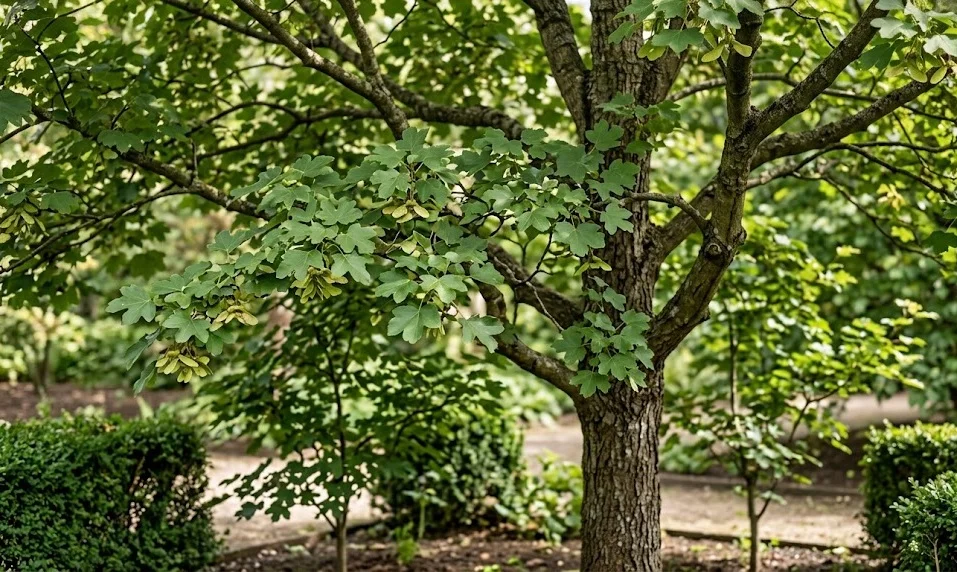

As the days shorten and the temperatures drop, the field maple begins its intricate process of preparing for the long winter months ahead. This period of dormancy is not a passive state but an active biological transition that ensures the tree’s survival during freezing conditions. As a gardener, your role is to support this transition by providing the necessary protection and ensuring the tree enters the cold season in peak health. A well-prepared tree is much less likely to suffer from winter injury or desiccation during the harshest weather.
The first sign of preparation is the spectacular change in leaf color as the tree reabsorbs valuable nutrients back into its trunk and roots. Once the leaves have fallen, the tree’s metabolic rate slows down significantly, and it enters a state of deep rest. You should avoid any heavy pruning or fertilization in late autumn, as this can stimulate new growth that is too tender to survive the frost. Instead, focus on cleaning up the area around the base to remove any potential hiding spots for pests.
Hydration remains important even as the tree enters dormancy, as roots can still lose moisture to the surrounding soil. If the autumn has been particularly dry, a final deep watering before the ground freezes can be incredibly beneficial. This ensures that the tree’s internal tissues are fully hydrated, which provides a natural buffer against the drying effects of winter winds. Once the ground is frozen, the tree can no longer take up water, so this pre-freeze hydration is critical.
Applying a fresh layer of mulch in late autumn is one of the most effective ways to protect the root system from extreme temperature fluctuations. A thick layer of organic material acts like an insulating blanket, keeping the soil slightly warmer and preventing the cycle of freezing and thawing. This cycle can be particularly damaging to young trees, as it can cause the soil to “heave” and expose sensitive roots to the cold air. Ensure the mulch is spread widely but kept away from direct contact with the bark of the trunk.
Protecting the trunk and roots
Young field maples have relatively thin bark that can be susceptible to damage from frost cracks or “sunscald” during the winter. This occurs when the warm winter sun heats the bark during the day, only for the temperature to plummet rapidly after sunset. The sudden contraction can cause the bark to split, creating a permanent wound that may take years to heal. You can prevent this by using white tree guards or wraps that reflect the sunlight and keep the bark temperature more stable.
More articles on this topic
Rodents and other small mammals can also pose a threat to the trunk of the field maple during the winter when other food sources are scarce. Voles and rabbits may gnaw on the bark near the base, which can girdle the tree and cause its death if the damage is extensive. Installing a simple wire mesh guard around the lower portion of the trunk is a highly effective way to keep these hungry visitors at bay. Ensure the guard is tall enough to reach above the expected snow line to provide complete protection.
Root protection is especially important for field maples grown in containers or in particularly exposed garden locations. Containers are more vulnerable to freezing because they lack the large thermal mass of the surrounding earth. You might consider wrapping the pots in burlap or bubble wrap, or even moving them to a more sheltered spot near a building wall. For trees in the ground, ensuring the mulch layer is adequate is usually enough to keep the roots safe from all but the most extreme cold.
Avoid using de-icing salts near the root zone of your field maple, as these chemicals can be very damaging to the soil health and root tissues. If your tree is located near a driveway or a public sidewalk, try to use sand or birdseed for traction instead of salt. If salt usage is unavoidable, you may need to flush the soil with plenty of fresh water in the spring to dilute the accumulated minerals. Protecting the subterranean environment is just as important as protecting the visible parts of the tree.
Managing snow and ice loads
The field maple is generally quite strong, but heavy, wet snow or ice can still cause branches to bend or break under the weight. After a heavy snowfall, you can gently brush the snow off the branches of younger trees to relieve the pressure and prevent structural damage. Use a soft broom and work from the bottom branches upwards to avoid overloading the lower limbs with falling snow from above. Never try to shake the branches vigorously, as frozen wood is brittle and can snap very easily.
More articles on this topic
Ice storms are more difficult to manage because the ice bonds tightly to the bark and is much heavier than even the wettest snow. In these cases, it is often best to leave the tree alone and let the ice melt naturally as the temperature rises. Trying to break the ice off manually will almost always result in more damage to the tree’s delicate buds and bark. If a major branch does break, wait until the weather clears to perform a clean pruning cut to help the tree heal properly.
Structural pruning performed during the summer or early autumn can help the tree better withstand the physical challenges of winter. By removing weak or overly long branches, you reduce the surface area available for snow and ice to accumulate. A well-spaced canopy allows the wind and snow to pass through more easily, significantly reducing the risk of catastrophic failure. This proactive approach to structural integrity is a hallmark of professional arboriculture and long-term tree management.
If you notice that your tree is leaning significantly after a heavy winter storm, it may be a sign of root failure or soil shifting. In such cases, you should consult with a professional arborist to assess whether the tree can be safely straightened and staked. Do not attempt to pull a large tree back into position yourself, as this can cause further damage to the roots and may be dangerous. Most minor leans will correct themselves as the tree grows and develops new “reaction wood” to stabilize its position.
Transitioning from winter to spring
As the days begin to lengthen in late winter, the field maple starts the slow process of de-hardening and preparing for spring growth. This is a delicate time, as a sudden late frost can damage the buds that have already started to swell with sap. You should continue to monitor the moisture levels in the soil, as the increasing light levels can dry out the ground even before the air feels warm. Keep the mulch in place until the threat of deep freezes has completely passed to protect the waking roots.
Late winter is the ideal time for structural pruning, as the absence of leaves provides a clear view of the branch architecture. You can easily identify any dead, damaged, or crossing branches and remove them before the tree puts energy into new growth. This is also the best time to thin out the interior of the canopy to improve air circulation for the coming humid months of spring. Performing these tasks while the tree is still dormant minimizes the stress and allows for faster healing of the wounds.
Once the soil begins to thaw, you can gradually remove any protective wraps or guards that were used during the winter. Inspect the trunk and branches for any signs of winter injury, such as split bark or shriveled twigs, and address them as needed. If you used tree wraps, check for any moisture or pests that may have gathered underneath them during the cold months. Cleaning the area and providing a fresh application of organic matter will give the tree a great start to the new season.
Watching the first buds break and the tiny green leaves emerge is one of the most rewarding moments for any gardener who has cared for a tree through the winter. This successful transition is a testament to the tree’s resilience and the gardener’s diligent preparation and care. The field maple will quickly regain its full canopy and continue its cycle of growth, providing shade and beauty for another year. Every winter survived makes the tree stronger and more adapted to its specific environment.