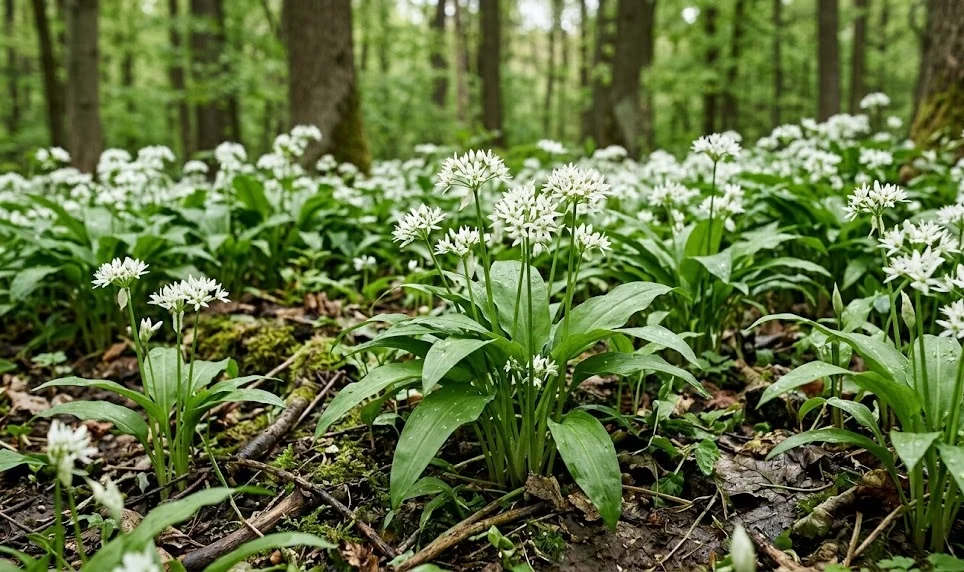

The winter months are a period of quiet but vital activity for wild garlic bulbs resting beneath the frozen ground. You must understand that while there is nothing to see above the surface, the plants are undergoing essential biological processes during this time. Proper winter care is not about active maintenance, but about providing the protection and conditions necessary for a successful spring emergence. This guide explains how to manage your wild garlic patch during the coldest part of the year to ensure a vibrant and healthy start to the new growing season.
Understanding natural winter dormancy
Wild garlic has evolved a lifecycle that perfectly utilizes the cold winter months to prepare for a rapid spring explosion of growth. You should recognize that the plant is not truly “sleeping” but is instead waiting for the specific environmental cues that trigger its development. During the winter, the bulbs are protected by the soil from the most extreme temperature fluctuations of the air above. This period of dormancy is essential for the plant’s internal clock, allowing it to measure the passing of time and ensure it sprouts at the optimal moment. Respecting this natural cycle is the first step in professional winter management.
Cold stratification is a biological requirement for the seeds of wild garlic and many other woodland species. You should know that the seeds need to experience a prolonged period of cold temperatures before they can germinate in the spring. This mechanism prevents the seeds from sprouting during a warm autumn, which would lead to the death of the young seedlings when winter arrives. By letting the seeds stay in the cold ground, nature ensures they only begin to grow when the danger of hard frost is passing. This “chilling requirement” is a fascinating example of botanical engineering that you should support in your garden.
The bulbs themselves also benefit from the cooling of the soil, which helps maintain their metabolic balance during the dormant phase. You should ensure that the area where they are planted is not subject to artificial heating from underground pipes or building foundations. A consistently cold soil environment helps the bulbs stay in deep dormancy until the light and temperature conditions of spring are just right. If the soil stays too warm, the bulbs might begin to sprout too early and then be damaged by a late-winter freeze. Keeping the winter environment natural and stable is the best way to protect the future harvest.
Energy conservation is the main goal for the plant during the winter months, as it relies entirely on the starch stored in the bulb. You should avoid any activities that might force the plant to use up these reserves prematurely, such as over-fertilizing in late autumn. The plant needs to stay quiet and protected so it has maximum energy for the intense period of leaf and flower production in March. By providing a calm and undisturbed winter home, you are essentially helping the plant build up its “battery” for the spring. This understanding of energy management is a key part of professional horticultural expertise.
More articles on this topic
Mulching for winter protection
Applying a thick layer of organic mulch is the single most important task you can perform to help your wild garlic through the winter. You should use materials like shredded leaves, bark, or well-rotted compost to create a protective blanket over the planting area. This layer acts as an insulator, preventing the soil from freezing and thawing rapidly, which can heave the bulbs out of the ground. It also protects the sensitive bulbs from the drying effects of cold winter winds that can strip moisture from the top layers of soil. A good mulch layer is like a warm winter coat for your garden.
The timing of mulch application should coincide with the arrival of the first hard frosts in your local area. You should clear away any diseased or damaged foliage from the previous season before laying down the new mulch to ensure a clean environment. Aim for a thickness of about five to ten centimeters, depending on the severity of your local winter climate and the type of material you are using. This depth is sufficient to provide insulation while still being light enough for the shoots to push through in the spring. Consistent coverage ensures that every bulb in the colony receives the same level of protection.
As the mulch slowly decomposes throughout the winter, it also helps maintain the health of the soil microbiome beneath the surface. You should know that beneficial fungi and bacteria remain active in the soil as long as it stays relatively insulated and moist. These microbes continue to break down organic matter, preparing a rich and nutrient-dense environment for the roots when they wake up. This hidden activity is a vital part of the garden’s long-term fertility and resilience. By mulching, you are not just protecting the plants; you are feeding the entire underground ecosystem.
Mulch also serves as a visual marker for your wild garlic patch during the months when the ground would otherwise be bare. You should use the mulched area as a “no-go” zone to prevent anyone from walking on or accidentally digging in the bulb beds. Compacting the soil in the winter can be very damaging, as it squeezes the air out of the ground and can lead to waterlogging around the bulbs. Keeping the soil loose and protected ensures that the emerging shoots will have an easy path to the surface in a few months. This simple management practice saves countless plants from accidental destruction.
More articles on this topic
Frost management and soil stability
Soil heaving is a common winter problem where the repeated freezing and thawing of ground moisture pushes bulbs toward the surface. You should be vigilant for any bulbs that might become exposed after a particularly harsh cold snap or a sudden thaw. If you see a bulb sticking out of the soil, you should gently push it back down and cover it with extra mulch immediately. Exposed bulbs are highly vulnerable to drying out and to being eaten by hungry winter wildlife looking for a snack. Maintaining a stable soil surface is essential for the long-term survival of the colony.
Managing drainage during winter thaws is another professional consideration for protecting your dormant wild garlic. You should ensure that melting snow or heavy winter rains can move away from the planting beds without creating puddles. Stagnant water in the winter is even more dangerous than in the spring because the cold temperature increases the risk of the bulbs rotting or freezing in a block of ice. If your garden is prone to winter flooding, you might need to adjust the grading of the surrounding area to redirect the water. A well-drained site is a safe site for bulbs that need to survive a long, wet winter.
Snow cover can actually be a beneficial form of protection for wild garlic if it remains stable for several weeks. You should view a layer of snow as a natural “super-insulator” that keeps the soil temperature very close to freezing regardless of how cold the air gets. If you have to clear snow from paths, you can pile the clean snow onto your garlic beds to provide extra protection. Just be careful not to use snow that has been treated with salt or de-icing chemicals, as these can be toxic to the plants. Using natural snow to your advantage is a smart way to work with the winter weather.
Protecting the area from hungry animals like deer or rodents is also a winter task for many gardeners. You should be aware that while wild garlic is generally avoided by many animals due to its strong scent, some may still dig for the bulbs when other food is scarce. If you have a significant problem with wildlife, a simple layer of wire mesh laid over the mulch can prevent digging without interfering with the plants. This physical barrier can be removed in the early spring just as the first green tips begin to show through. Keeping your bulbs safe from the local fauna is part of being a responsible garden steward.
Preparing for the spring emergence
As the winter begins to fade and the first signs of spring appear, you should start preparing the patch for the new growing season. You should keep a close eye on the weather forecast and look for the first few days of consistent warmth and increasing day length. This transition period is when the bulbs move from deep dormancy into the active phase of pushing their first shoots upward. Being ready to support this emergence ensures that your plants get the best possible start to their short but intense lifecycle. This anticipation is part of the joy of gardening with spring ephemerals.
If you have used a very heavy or dense winter mulch, you might want to lightly rake the surface to loosen it as the shoots appear. You should be extremely careful not to damage the delicate tips of the young garlic leaves as they break through the soil surface. Loosening the mulch allows the sunlight to reach the ground more easily, warming the soil and encouraging faster growth. This small adjustment can make a big difference in how quickly your patch transitions from a bare brown bed to a lush green carpet. Gentleness and precision are the keys to success during this early spring phase.
Cleaning up any debris that may have accumulated over the winter is another important task for the early spring. You should remove any fallen branches, wind-blown litter, or dead weeds that might obstruct the growth of your wild garlic. This not only makes the garden look better but also improves the airflow around the emerging plants, reducing the risk of early-season mold. A clean, open space allows the wild garlic to expand its leaves fully and capture as much sunlight as possible. Your efforts in March will be directly reflected in the quality of your harvest in April.
Finally, you should check your garden notes from the previous year to see when you can expect the first emergence in your specific location. You should use this information to plan your first watering or fertilization of the year, if the soil is particularly dry. Knowing the history of your patch helps you recognize if the plants are early, late, or right on time based on the local climate. This long-term perspective is what turns a hobbyist into a professional-grade gardener with a deep connection to their land. The cycle of wintering is finally complete when the first green leaves appear, promising a new season of flavor.