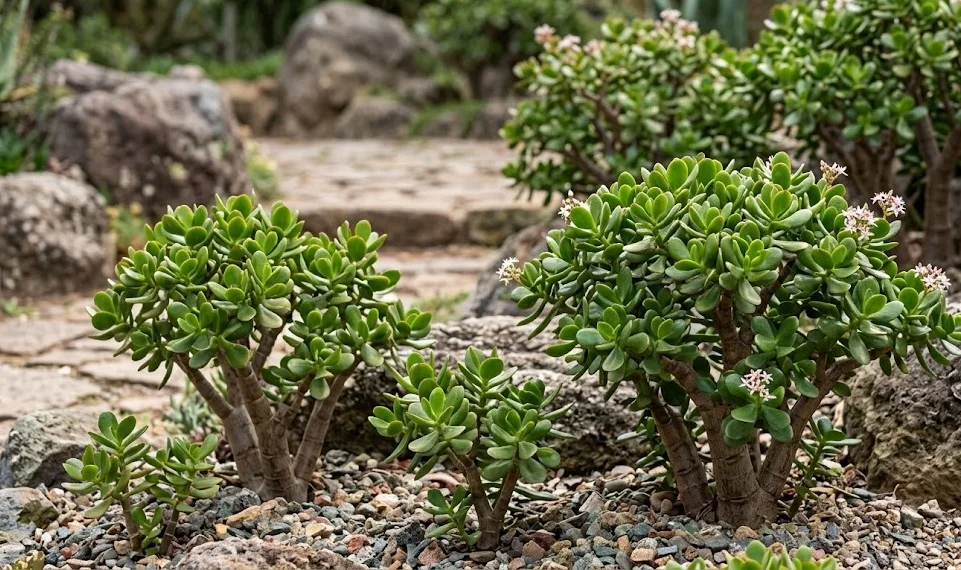

Light is the primary fuel for all plants, and for this specific succulent, it is the most critical factor in determining its overall shape and health. In their natural habitat, these plants bask in intense sunlight for many hours a day, which allows them to maintain a compact and sturdy structure. When grown indoors, you must try to replicate these conditions as closely as possible to prevent the plant from becoming weak and leggy. Understanding how light affects the biology of your succulent will help you choose the best location for it in your home or office.
A lack of sufficient light will cause the plant to undergo a process called etiolation, where the stems stretch out and the leaves become spaced far apart. This happens because the plant is desperately searching for a light source and is using all its energy to grow toward the brightest spot available. You will also notice that the leaves lose their vibrant green color and may turn a pale or yellowish hue when they are not receiving enough energy. Providing at least four to six hours of bright, indirect sunlight is the minimum requirement for maintaining a healthy and attractive appearance.
While these plants love the sun, you should be careful about moving a plant that has been in a dark corner directly into intense, midday summer sunlight. The leaves can actually suffer from sunburn, which appears as permanent brown or white patches on the surface of the foliage that will not heal. You should gradually acclimate your plant to higher light levels over a period of two weeks by slowly increasing its exposure each day. This hardened-off approach allows the plant to build up its natural protective pigments and adjust its cellular structure to the new environment.
The orientation of your windows will determine the quality of light your plant receives throughout the day and across the different seasons of the year. South-facing windows offer the most intense light, while east and west windows provide good morning or afternoon sun that is slightly less intense. If you only have north-facing windows, you will likely need to use artificial lighting to keep your succulent from becoming stretched and unhealthy over time. Rotating the plant every few weeks will ensure that all sides receive equal light and that the specimen grows evenly without leaning in one direction.