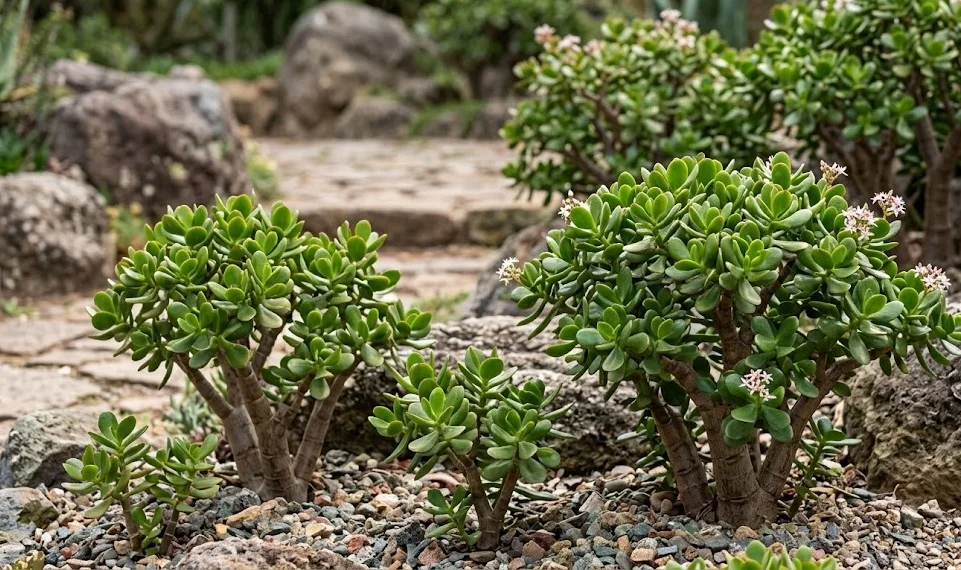

While these succulents are generally robust, they can occasionally fall victim to specific pests and diseases that thrive in indoor environments with poor air circulation. Being able to identify these issues early is the best way to protect your plant and prevent the spread of problems to other specimens. Most issues are related to environmental stress which weakens the natural defenses of the plant and makes it more susceptible to external attacks. Maintaining a clean and healthy growing area will significantly reduce the likelihood of encountering these frustrating gardening challenges.
Mealybugs are the most common pest that you might encounter when growing these plants, often appearing as tiny white cottony masses in the leaf axils. These insects suck the sap from the plant, causing the foliage to weaken and eventually drop if the infestation is not treated promptly. You can remove them manually using a cotton swab dipped in rubbing alcohol to dissolve their protective waxy coating and kill them instantly. Inspecting the undersides of the leaves and the hidden crevices of the stems is essential for catching these pests before they multiply.
Spider mites are another potential threat that thrives in dry and warm conditions, often leaving fine webs between the branches of the succulent. These microscopic pests cause the leaves to develop yellow stippling and a dull appearance as they feed on the cellular contents of the plant. Increasing the humidity slightly around the plant or giving it a gentle shower can help dislodge the mites and discourage them from returning to the foliage. If the infestation persists, you might need to use an organic insecticidal soap that is safe for succulent tissues to clear the problem.
Root rot is a devastating fungal disease that usually occurs when the soil remains saturated for extended periods without proper drainage or airflow. You will notice the base of the plant becoming soft and dark, and the plant may eventually lean or collapse as the root system fails completely. To save a plant affected by rot, you must act quickly by removing it from the soil and cutting away any diseased or mushy tissue with a sterile knife. Allowing the healthy parts to callus over and replanting them in fresh, dry soil is the only way to recover the specimen.
Powdery mildew can sometimes appear as a grey or white dusty coating on the leaves, especially during periods of high humidity and low light. This fungal issue can disfigure the foliage and interfere with photosynthesis if it is allowed to spread across the entire surface of the plant. Improving the air circulation around your succulent and avoiding getting water on the leaves during irrigation will help prevent fungal spores from germinating. In severe cases, a mild fungicide or a solution of baking soda and water can be used to treat the affected areas effectively.
Scale insects are small, flat pests that look like tiny brown bumps on the stems and leaves, often blending in with the natural texture of the plant. They remain stationary while feeding on the sap, and their hard outer shells make them resistant to many common contact insecticides used by gardeners. You should use a dull knife or your fingernail to gently scrape them off the plant without damaging the underlying tissue of the succulent. Applying neem oil to the plant can also help control the population by interfering with the life cycle of the developing scale insects.