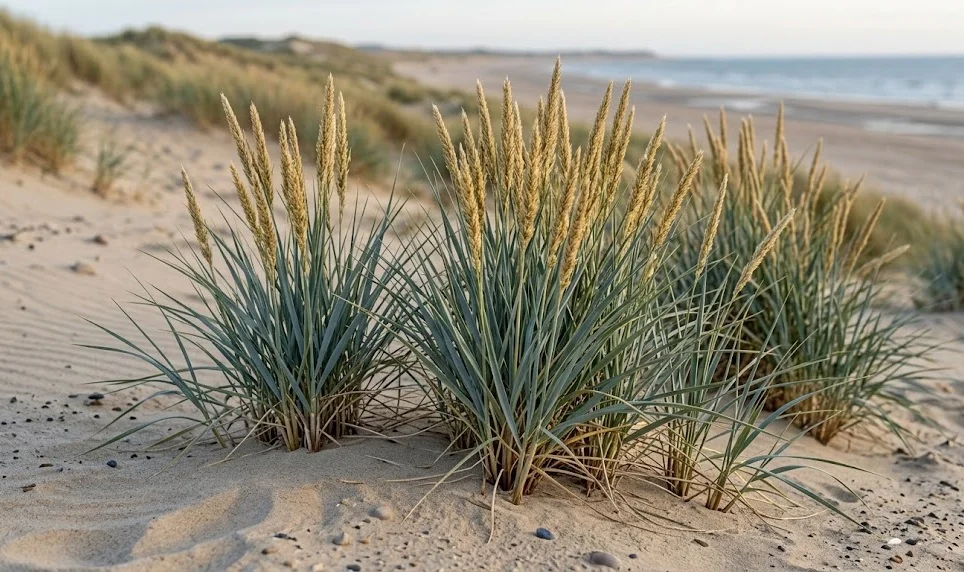

Providing the appropriate light conditions is perhaps the most influential factor in achieving the characteristic steel-blue color of blue lyme grass. This species has evolved to thrive in the intense, unobstructed sunlight of open coastal dunes and sandy plains. As a professional, you must understand that light is not just a source of energy for this plant, but a primary architect of its visual appearance. Without sufficient solar radiation, the plant will struggle to produce the protective waxy coating that defines its aesthetic appeal.
In a professional landscape design, this grass should always be placed in a location that receives at least six to eight hours of direct, unfiltered sunlight daily. Full sun exposure ensures that the plant remains compact, sturdy, and upright, rather than stretching toward the light. You will find that specimens grown in the brightest spots of the garden have the most intense coloration and the best structural integrity. A professional site assessment should always include a study of the sun’s path across the property throughout the growing season.
When the grass is planted in a location that is too shaded, its physiological response is rapid and noticeably detrimental to its ornamental value. The leaves will often turn a dull, grassy green as the plant produces more chlorophyll to compensate for the lack of light. Furthermore, the stems will become weak and prone to “lodging,” where the entire clump collapses under its own weight or after a light rain. An expert gardener recognizes these signs of light deprivation and will relocate the plant to a brighter spot to restore its health.
Reflected light can also play a significant role in the success of this grass, particularly in urban or modern architectural settings. Planting near light-colored walls or on reflective gravel can increase the total amount of light the plant receives, further enhancing its color. However, you must be careful that the reflected heat does not become so intense that it scorches the foliage during the peak of summer. Professional placement takes into account both the direct solar input and the indirect environmental factors that affect the plant’s light intake.
Sunlight and the waxy bloom
The silver-blue color of the foliage is created by a thick layer of epicuticular wax, often called a “bloom,” which reflects certain wavelengths of light. This wax is a sophisticated adaptation that protects the plant from ultraviolet radiation and reduces moisture loss through the leaves. In a professional context, you should think of sunlight as the “trigger” that tells the plant to produce this protective coating. The more light the plant receives, the thicker and more vibrant this blue-tinted layer will become.
More articles on this topic
Interestingly, this waxy coating can be rubbed off by physical contact or washed away by intense, persistent rain, though the plant will slowly regenerate it. If you notice that your grass looks greener after a long period of cloudy, wet weather, it is simply a natural response to the environmental conditions. A professional knows that the blue color will return once the sun comes out and the plant can resume its normal metabolic activities. Avoiding overhead irrigation can also help preserve the pristine appearance of the waxy bloom.
Phototropism, or the tendency of plants to grow toward a light source, can cause lopsided growth if the light is only coming from one direction. This is a common issue when the grass is planted too close to a fence, a hedge, or the side of a building. To maintain a perfectly symmetrical and professional-looking clump, the light should ideally come from directly above or from all sides throughout the day. If you must plant in a spot with directional light, you may need to rotate container-grown specimens regularly.
The intensity of the light varies significantly depending on your geographic latitude and the time of year. In northern regions, the “full sun” of a summer day may be less intense than the “partial shade” of a southern or tropical location. A professional gardener adapts their recommendations based on the local climate and the specific microclimate of the garden site. Understanding these nuances of light intensity is what allows an expert to successfully grow this grass in a wide variety of geographic regions.
Managing light in mixed borders
When incorporating blue lyme grass into a mixed perennial border, you must be careful that neighboring plants do not cast too much shade on it. As other plants grow taller throughout the season, they can easily block the low-angled sun that the grass needs to stay healthy. A professional layout places the grass in the foreground or on the sunny side of taller shrubs and trees to ensure its light requirements are met. Regular pruning of overhanging branches can also help maintain the necessary light levels for the grass below.
More articles on this topic
Competition for light is a constant struggle in a densely planted garden, and blue lyme grass is not particularly good at winning this battle. If it is overshadowed by more aggressive or faster-growing species, it will quickly decline and may eventually die out. You should maintain a clear “buffer zone” around each clump to prevent other foliage from encroaching on its light space. A professional gardener uses this spacing not just for aesthetic reasons, but as a vital survival strategy for the light-loving grass.
In gardens with shifting light patterns, such as those with mature deciduous trees, the grass may perform differently in the spring than it does in the mid-summer. Before the trees leaf out, the grass receives plenty of light and will start the season with a strong, blue growth spurt. However, once the canopy closes, the sudden drop in light can cause the plant to struggle just as the heat of summer arrives. A professional considers these seasonal light changes when deciding if a particular spot is truly suitable for long-term cultivation.
If you find that your garden simply doesn’t have enough light for this species, it is better to choose a more shade-tolerant alternative rather than fighting nature. There are many other ornamental grasses and sedges that thrive in lower light conditions and can provide a similar texture to the landscape. However, for those who can provide the necessary sun, there is no substitute for the dramatic impact of a well-grown, light-saturated blue lyme grass. A professional’s greatest skill is matching the right plant to the right environmental conditions.