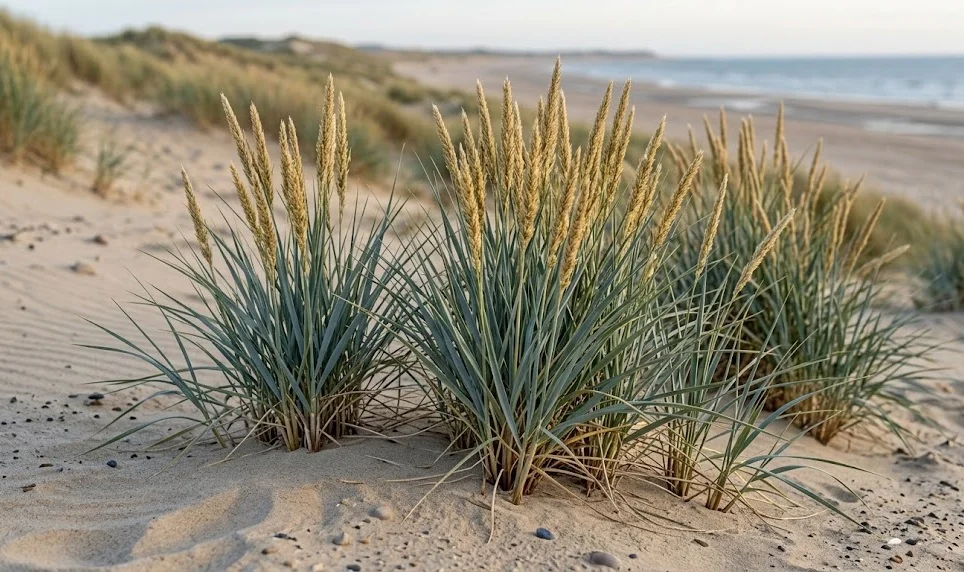

Winter care for blue lyme grass is focused on protecting the crown from excessive moisture while taking advantage of its remarkable cold tolerance. This species is naturally adapted to the harsh winters of northern coastal regions, making it an excellent choice for gardens in zones 4 through 9. As a professional, your goal is not to “keep the plant warm,” but rather to manage the physical structure of the grass and the drainage of the surrounding soil. When handled correctly, the striking blue foliage can provide beautiful structural interest even when the rest of the garden is buried in snow.
Preparation for winter begins in the late autumn, as the plant naturally starts to slow its metabolic processes and enter dormancy. You should avoid any late-season fertilization, as this can stimulate soft, new growth that is easily damaged by the first hard frost. Instead, focus on ensuring the plant is well-hydrated but not sitting in waterlogged soil as the temperatures begin to drop. A professional knows that a healthy, properly hydrated plant is much more resistant to the cellular stress caused by freezing.
The standing foliage of the grass serves as a natural insulating blanket for the crown during the coldest months of the year. Unlike many perennials that are cut back in the fall, you should leave the blades of blue lyme grass intact until the following spring. This not only protects the sensitive growth points at the base but also provides a habitat for beneficial insects that overwinter in the garden. Professional landscapers appreciate this practice because the dried, silver-blue stalks add a unique vertical element to the winter landscape.
Snow management is another consideration for the professional gardener, especially in regions that experience heavy, wet snowfall. While the grass is sturdy, the weight of a major snow event can sometimes flatten the clumps or break the stems. If you notice your plants are being crushed, you can gently shake off the excess snow with a broom or by hand. However, a light, fluffy layer of snow is actually beneficial, as it acts as an additional layer of insulation against extreme temperature fluctuations.
Drainage remains the most critical factor for survival during the winter, as “wet feet” are far more dangerous to this grass than cold air. If the ground remains saturated during a freeze-thaw cycle, the ice can actually expand and heave the plant out of the soil. You should check the area around your grasses after a heavy winter rain to ensure that water is not pooling near the crowns. A professional winter strategy involves monitoring these drainage patterns and making minor adjustments to the soil surface if necessary.
More articles on this topic
Protecting the crown and roots
The crown is the most sensitive part of the grass, containing the dormant buds that will become next year’s growth. Maintaining a clear space around the base of the plant prevents the buildup of mold and ensures that the crown stays relatively dry. If you use mulch, ensure it is pulled back slightly from the center of the clump to allow for air circulation. Professional gardeners often use a thin layer of sand or fine gravel at the base to provide extra protection and drainage during the winter.
In very cold regions where temperatures regularly drop well below zero, you might consider a temporary “buffer” for your most prized specimens. A loose pile of evergreen boughs or a light layer of straw can provide extra protection without trapping too much moisture. You should avoid using heavy plastic or non-breathable covers, as these can create a greenhouse effect that encourages rot on sunny winter days. A professional approach involves using natural materials that allow the plant to breathe while still moderating the temperature.
Container-grown grasses require special professional attention during the winter because their roots are much more exposed to the cold than those in the ground. You should move pots to a sheltered location, such as against a south-facing wall or into an unheated garage, once the plants are fully dormant. Alternatively, you can wrap the pots in burlap or bubble wrap to provide an extra layer of insulation for the root zone. Ensuring the pots have excellent drainage is even more important in the winter to prevent the container from cracking when the wet soil freezes.
The transition from winter to spring is a delicate time when the plant is most vulnerable to sudden temperature swings. As the days lengthen, the sun can warm the foliage while the roots are still frozen in the ground, leading to a type of winter desiccation. You can mitigate this by ensuring the plants are well-mulched with an inorganic material that keeps the soil temperature more stable. Professional observation during this period allows you to intervene if you see signs of “burning” on the southern side of the clumps.
More articles on this topic
Visual interest in the winter garden
One of the greatest professional benefits of blue lyme grass is the aesthetic value it brings to a garden during the “off-season.” The stiff, architectural blades hold their shape well and catch the frost, creating a shimmering, crystalline effect in the morning light. You should think about the placement of these grasses from the perspective of a winter window view when designing your landscape. A professional design leverages the contrast between the silver-blue stalks and the dark, skeletal forms of deciduous trees.
The sound of the wind moving through the dried grass is another subtle but important element of the professional winter garden. Because the leaves are wider and coarser than many other ornamental grasses, they produce a unique rustling sound that adds an auditory dimension to the space. This “music of the garden” is highly valued by designers who want to create a multi-sensory experience throughout the entire year. By leaving the foliage standing, you are essentially preserving this natural instrument for the duration of the winter.
Birds and other wildlife often rely on the dense clumps of this grass for shelter and potential food sources during the coldest months. While the seeds may have already fallen or been eaten, the structure of the plant provides a safe haven from predators and the wind. A professional gardener recognizes the ecological value of these plants and incorporates them into a “habitat-friendly” winter management plan. Watching the activity around the grass clumps can be one of the joys of a well-planned and maintained landscape.
Photographers and artists are often drawn to the dramatic shadows and highlights that these grasses create during the low-angled light of winter. The way the blue tint interacts with the golden hues of a winter sunset can be truly spectacular and worth preserving. As a professional, you should resist the urge to tidy up the garden too early, as you would be cutting away this natural beauty. The best time to cut back is only when the first green shoots of spring are clearly visible at the base.
Managing the spring transition
The first signs of spring are the signal for the professional gardener to begin the annual “cleanup” of the blue lyme grass. You should wait until the danger of severe, deep-freezing weather has passed before removing the old, protective foliage. Use a sharp pair of shears or a hedge trimmer to cut the entire clump back to about three to four inches above the ground. This allows the new, vibrant blue shoots to emerge without having to push through a thick mass of dead brown leaves.
Cutting back the grass too early can expose the tender new growth to late-season frosts, which can damage the tips and stunt the plant’s early development. On the other hand, waiting too long makes it difficult to remove the old leaves without accidentally cutting the new ones. A professional monitors the base of the plant closely starting in late February or March to find the perfect timing for this task. The goal is to provide a clean slate for the upcoming growing season while protecting the plant’s long-term health.
Once the old foliage is removed, it is a great time to inspect the root zone and check for any signs of winter damage or “heaving.” If a plant has been pushed up out of the soil, you can gently press it back down and add a bit of fresh soil to protect the exposed roots. This is also the ideal window for dividing any clumps that have become too large or have developed a dead center during the winter. A professional uses this spring transition to reset the garden and ensure each plant has the space and resources it needs.
Finally, a light watering after the spring cut-back can help settle the soil and stimulate the dormant roots into active growth. You should avoid heavy fertilization at this stage, as the plant needs to focus on building a strong foundation rather than rapid top growth. A professional approach to the spring transition is calm and deliberate, setting the stage for another year of stunning blue foliage. With the winter behind them, your grasses are ready to reclaim their place as the stars of the landscape.
Tools and safety for winter tasks
Working in the garden during the colder months requires a different set of professional tools and safety considerations than in the summer. You should ensure that your cutting tools are sharp and well-lubricated, as frozen or dried grass can be surprisingly tough to slice through. Stainless steel blades are preferred because they are less likely to rust if they come into contact with snow or moisture. Professional equipment should be cleaned and dried thoroughly after each use to maintain its longevity.
Footwear is another important professional consideration, as winter garden soil can be slippery, muddy, or uneven. You should wear sturdy, waterproof boots with good traction to prevent falls while you are moving around the grass clumps. If you are working on a large-scale project, a pair of insulated gloves will keep your hands warm and protected from the abrasive edges of the dried blades. Safety in the professional garden is about being prepared for the environment as much as it is about using the right tools.
If you are applying a protective layer of evergreen boughs or straw, a sturdy pitchfork or garden fork is the best tool for the job. This allows you to place the material precisely without compacting the soil or damaging the dormant crown of the grass. You should also have a reliable way to secure any temporary covers, such as garden staples or heavy stones, to prevent them from blowing away in winter storms. A professional setup is organized and robust, designed to withstand whatever the season throws at it.
Finally, always be mindful of your own physical limits when performing garden tasks in the cold. Winter work often takes longer and requires more energy than the same tasks in milder weather, and the shorter days mean you have less time to complete your goals. A professional gardener plans their winter workload to ensure they can work safely and effectively without rushing. By taking care of yourself, you ensure that you will be ready to enjoy the full beauty of the garden when spring finally arrives.