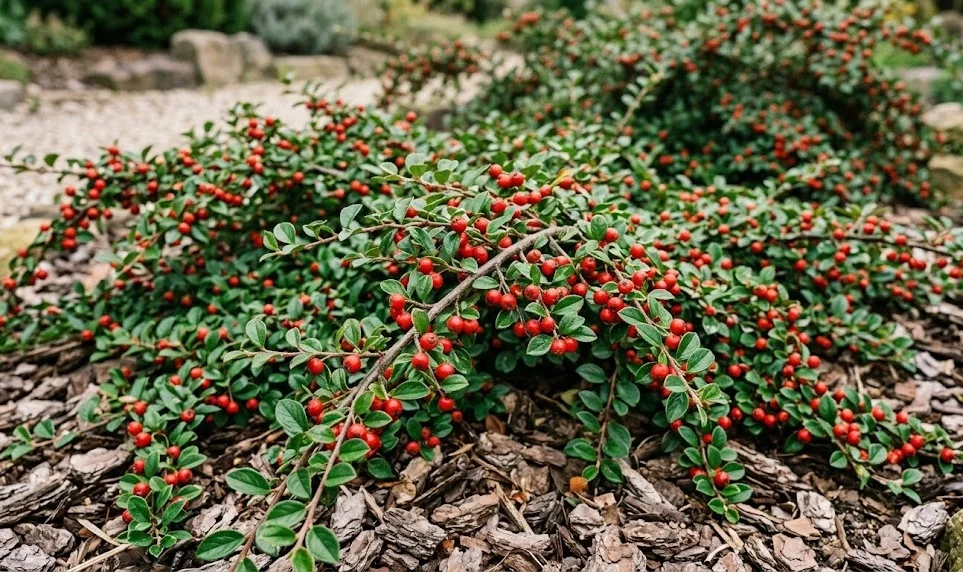

The Hjelmqvist’s cotoneaster is a remarkably resilient and versatile deciduous shrub that has earned its place in many European and North American gardens. Its elegant, arching branches and dense foliage make it an excellent choice for those seeking both aesthetic beauty and functional landscaping solutions. Gardeners often select this specific variety because it manages to balance a wild, natural appearance with a structured growth habit that fits well in formal designs. Maintaining this plant requires a basic understanding of its lifecycle and the specific environmental conditions that allow it to thrive across different seasons.
Successful cultivation starts with recognizing that this plant is incredibly adaptable to various soil conditions and microclimates found in domestic gardens. While it can tolerate some neglect, providing a consistent care routine will significantly enhance the vibrancy of its small, glossy leaves and the abundance of its characteristic red berries. You should pay close attention to the drainage of your planting site, as waterlogged roots are one of the few things that can truly hinder its growth. By establishing a strong foundation during the first few growing seasons, you ensure the shrub develops the deep root system necessary for long-term health.
The overall growth habit of the plant is naturally spreading, which means it can cover significant ground if left to its own devices. You will find that it serves beautifully as a ground cover or a low hedge, depending on how you guide its early development. Its small, inconspicuous flowers appear in late spring, providing a subtle charm and a vital food source for local pollinators like bees and butterflies. Because it is a relatively fast grower, monitoring its spread annually helps keep your garden layout organized and prevents the shrub from overshadowing smaller, less vigorous companion plants.
Gardeners who appreciate year-round interest will find the Hjelmqvist’s cotoneaster particularly rewarding due to its dramatic seasonal shifts. In the autumn, the foliage often takes on brilliant hues of orange and red before falling, leaving behind a skeleton of branches adorned with bright berries. These berries often persist well into the winter months, offering a splash of color against the stark landscape and providing winter forage for birds. Consistent care, involving occasional thinning and monitoring for environmental stress, keeps the plant looking its best through these transitions.
Soil and site requirements
The quality of the soil where you place your shrub will dictate much of its future vitality and resistance to environmental stress. Ideally, you should aim for a well-drained, loamy soil that allows for air circulation around the roots while retaining just enough moisture. If your garden has heavy clay soil, it is highly recommended to incorporate organic matter or grit to improve the structure before planting. Avoiding areas where water tends to pool after a heavy rain is crucial, as the Hjelmqvist’s cotoneaster is susceptible to root rot in anaerobic conditions.
More articles on this topic
In terms of acidity, this plant is not particularly fussy and can grow well in slightly acidic, neutral, or even mildly alkaline environments. You will find that it is quite tolerant of poor soils, making it a “problem solver” for areas of the garden where more delicate species might fail. Even in rocky or sandy patches, the shrub can establish itself provided there is enough initial support to get the roots deep into the ground. Testing your soil pH can be helpful, but for this specific species, it is rarely a limiting factor for healthy growth.
The physical location of the plant also plays a role in how the soil moisture is managed and how the roots interact with the surrounding landscape. If you are planting near a wall or a large tree, be aware that these structures can create a “rain shadow” or compete heavily for nutrients. Providing a bit of extra mulch in these competitive areas can help the cotoneaster maintain its vigor without needing constant intervention. You should ensure that the soil remains relatively cool during the peak of summer, which can be achieved through strategic placement or surface coverings.
Preparing the site properly involves clearing away aggressive weeds that might compete with the young shrub for vital resources. Deep-rooted perennial weeds should be removed entirely to prevent them from growing up through the dense branches of the cotoneaster later on. Once the site is clear, a light tilling of the topsoil can help the new roots penetrate the surrounding earth more easily. Remember that while the plant is tough, giving it an easy start will pay dividends in the form of faster growth and a more symmetrical shape.
Seasonal maintenance routines
Spring is the time when you should focus on assessing any damage that occurred over the winter months and preparing the plant for the upcoming growing season. As the buds begin to swell, look for any dead or broken branches that need to be removed to maintain the health of the main structure. This is also an ideal window for applying a light layer of compost around the base of the plant to provide a slow-release source of nutrients. You will notice a surge in growth as the temperatures rise, so keep an eye on the shape to ensure it isn’t encroaching on walkways.
More articles on this topic
During the summer months, your primary task is ensuring the shrub does not become overly stressed by extreme heat or prolonged dry spells. While mature plants are quite drought-tolerant, young specimens or those in very shallow soil will appreciate occasional deep watering during the hottest weeks. You should also take this time to enjoy the floral display and the subsequent development of the green berries. Summer is a good time to check the underside of leaves for any signs of common garden pests that might take advantage of the warm weather.
As autumn approaches, the maintenance focus shifts toward preparing the shrub for its period of dormancy and enjoying its spectacular color change. This is the time to refrain from heavy pruning, as you want the plant to harden off its new growth before the first frosts arrive. The red berries will begin to ripen fully, and you should ensure they are not being smothered by fallen leaves from taller trees overhead. Keeping the area around the base clear of debris helps prevent fungal issues from developing during the damp autumn months.
Winter maintenance is minimal, which is one of the many reasons why this plant is so beloved by low-maintenance gardeners. You mostly need to monitor the shrub for any heavy snow loads that might threaten to split the arching branches. If you live in an area with high winds, checking that the plant hasn’t become loosened in the soil can prevent root damage. Beyond these simple checks, winter is a time to simply appreciate the structural beauty of the branches and the persistence of the colorful fruit in the cold air.
Promoting berry production and foliage health
The hallmark of a well-cared-for Hjelmqvist’s cotoneaster is a dense covering of glossy leaves followed by a heavy crop of bright red berries. To maximize this display, you must ensure the plant receives adequate light, as shaded plants often produce fewer flowers and consequently fewer fruits. While it can grow in partial shade, the best berry yields are almost always found on plants situated in full sun. Proper nutrition also plays a role, particularly the availability of phosphorus, which supports flowering and fruiting cycles.
Watering practices directly influence the quality of the foliage, as consistent moisture prevents the leaves from becoming dull or dropping prematurely. If the plant experiences significant drought stress during the early summer, it may shed some of its leaves as a survival mechanism, which detracts from its beauty. You can help maintain foliage health by using a bark mulch which keeps the root zone cool and reduces moisture evaporation from the soil surface. This simple step often makes the difference between a sparse-looking shrub and a lush, vibrant one.
Avoid over-fertilizing with high-nitrogen products, as this can lead to excessive green growth at the expense of berries and structural strength. Fast-growing, succulent stems are more prone to pests and diseases, and they often lack the graceful arching habit that characterizes this species. A balanced approach to feeding, focusing on organic matter and slow-release minerals, creates a more resilient plant with better-distributed fruiting clusters. Observation is your best tool here; if the plant looks healthy and is growing at a steady rate, it likely has all the nutrients it needs.
Lastly, internal air circulation is essential for keeping the foliage healthy and preventing the buildup of humidity within the dense canopy. If the branches become too tangled or thick, you might consider thinning out some of the oldest wood to allow light and air to reach the center. This practice not only keeps the leaves in the interior from yellowing but also ensures that the berries can ripen evenly across the entire shrub. A healthy, airy structure is the best defense against the various leaf spots and mildews that can occasionally affect cotoneasters.
Long-term structural development
As the Hjelmqvist’s cotoneaster matures, its primary branches will thicken and form the permanent skeleton of the shrub. You have the opportunity to influence this structure early on by selecting which main stems to keep and which to prune back. A well-structured plant should have branches that radiate outward in a balanced fashion, providing a pleasing silhouette even when the leaves have fallen. Paying attention to the architecture of the plant in its third and fourth years will save you significant work in the future.
Over time, some of the older branches may become less productive or start to sag too low toward the ground. You can revitalize the shrub by occasionally removing one or two of these oldest stems right at the base, which encourages new, vigorous shoots to emerge. This process, known as renewal pruning, helps keep the plant looking young and prevents it from becoming a tangled mass of woody debris. It is a slow process that should be spread out over several years to avoid shocking the plant’s system.
If you are using this species for a hedge or a specific landscape feature, consistency in your care and pruning is the key to a professional look. You should aim for a slightly wider base than the top if you are clipping it formally, as this allows light to reach the lower foliage. For a more natural look, simply let the arching branches follow their inherent path, only intervening when they interfere with other plants or structures. The goal is to work with the plant’s natural tendencies rather than trying to force it into an unnatural shape.
Long-lived shrubs like this one can eventually outgrow their allotted space if their care isn’t managed with the future in mind. You should always consider the eventual height and spread, which can reach over a meter in both directions, when planning your garden layout. Providing enough room from the start reduces the need for aggressive “hacking” later on, which can ruin the plant’s form. A mature cotoneaster that has been allowed to reach its full potential is a magnificent sight that requires very little daily attention.
Dealing with urban and garden stressors
The Hjelmqvist’s cotoneaster is notably tolerant of urban pollution, making it a staple for city gardens and public landscaping projects. It can withstand the dust, soot, and poor air quality often found near busy roads without showing significant signs of decline. This resilience extends to salt tolerance in many cases, which is a vital trait for plants located near sidewalks or driveways that are salted in the winter. If you live in a coastal or urban environment, this shrub is one of the most reliable choices you can make.
However, even the toughest plants can face challenges from physical damage, such as being stepped on or crushed by heavy snow. Because the wood is relatively flexible, it can often bounce back from minor weight, but repeated stress will cause branches to snap or grow crookedly. You can protect your plants by placing small markers or low fences around them if they are near high-traffic areas. This is especially important during the first few years when the plant is still establishing its structural integrity.
Extreme weather events, like sudden deep freezes or record-breaking heatwaves, can sometimes cause temporary aesthetic issues. You might see some leaf scorch or tip dieback after a particularly harsh summer, but the plant usually recovers quickly once conditions normalize. Providing a deep watering before a heatwave and ensuring the soil is well-mulched are the best ways to mitigate these environmental impacts. Generally, this species is much more “forgive and forget” than many other ornamental shrubs found in the nursery trade.
Another common stressor in some gardens is competition from invasive ground covers or aggressive turf grass growing right up to the stem. You should maintain a clear “tree ring” or mulch zone around the base of the cotoneaster to reduce this competition for water and nutrients. Grass is a heavy consumer of surface moisture, and keeping it at a distance allows the shrub’s roots to thrive in the top layers of the soil. A clean, weed-free base also makes it much easier to inspect the plant for health issues and perform necessary maintenance.
Ecological benefits and wildlife support
One of the most rewarding aspects of caring for the Hjelmqvist’s cotoneaster is observing the wealth of wildlife it attracts to your garden. The spring flowers are a magnet for various species of bees, providing them with essential nectar during a critical time in their life cycle. By planting this shrub, you are actively contributing to the local ecosystem and supporting pollinator populations that are vital for other garden plants. The dense branch structure also offers excellent nesting sites for small songbirds who seek protection from predators.
In the winter, the abundance of red berries becomes a lifeline for birds like thrushes, waxwings, and blackbirds. While the berries are not the first choice for birds in early autumn, they become increasingly palatable after a few frosts soften them. This means the plant provides a food source that lasts much longer into the winter than many other berrying species. Watching the birds congregate on the arching branches during a snowy day is a highlight for many nature-loving gardeners.
The dense, low-growing nature of the shrub also provides a sheltered microhabitat for beneficial insects and ground-dwelling creatures. Toads, lizards, and predatory beetles may find refuge under the arching stems, helping to keep the overall pest population in your garden in check. By creating this layer of “green architecture,” you are mimicking the complex structures found in natural woodland edges. This biodiversity makes your garden more resilient and reduces the need for chemical interventions to manage pests.
Finally, the plant helps with soil stabilization and reduces erosion, particularly when planted on slopes or embankments. Its extensive root system binds the soil together, while the dense foliage breaks the impact of heavy rain, preventing surface runoff. This functional benefit is often overlooked but is incredibly valuable for maintaining the long-term health of your garden’s landscape. Caring for a Hjelmqvist’s cotoneaster is not just about aesthetics; it is about fostering a healthy, living environment that benefits everyone from the smallest insect to the gardener themselves.