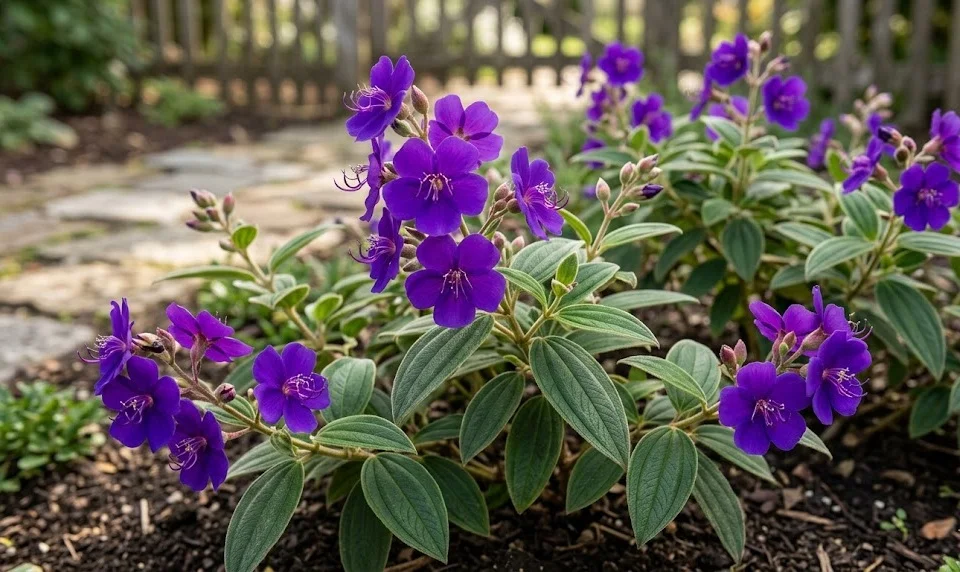

Growing the princess flower is a rewarding experience for any gardener who appreciates vibrant purple blooms and lush foliage. These stunning plants can transform a simple backyard into a tropical paradise with their velvet-like leaves and striking colors. You will find that while they require specific conditions, their beauty is well worth the extra effort you put into their daily maintenance. Many enthusiasts believe that the presence of this plant brings a sense of royal elegance to any green space it occupies.
Success with this plant starts with understanding its natural habitat in the rainforests of South America. You should aim to mimic these humid and warm conditions as closely as possible in your own home or garden. If you live in a temperate climate, this often means moving the plant indoors during the colder months of the year. Experienced gardeners often suggest that observing the leaves daily can give you the best clues about the plant’s current health and needs.
The structure of the princess flower is naturally somewhat leggy, so you need to manage its growth pattern carefully. It tends to grow quite tall if left to its own devices, which might not always suit smaller garden spaces or balconies. By understanding the growth stages, you can effectively guide the plant to become a bushy and full specimen that produces more flowers. Consistency is the most important factor when you are dealing with such a specialized tropical species in a domestic setting.
As you begin your journey with this botanical treasure, remember that patience is a vital tool for every successful gardener. These plants do not reach their full potential overnight, but with steady care, they will eventually dominate your garden with their presence. You should always keep a close eye on the transition between seasons to ensure the plant does not suffer from sudden changes. Every gardener develops a unique bond with their princess flower through the simple acts of daily observation and mindful care.
Understanding the soil foundations
The foundation of a healthy princess flower lies in the quality of the soil you provide for its root system. It is absolutely essential that the growing medium is slightly acidic to ensure the plant can absorb all necessary nutrients properly. You should look for a potting mix that contains plenty of organic matter, such as peat moss or composted bark. Most experts recommend testing the pH level of your soil periodically to ensure it remains within the ideal range for tropical growth.
More articles on this topic
Drainage is another critical aspect that you cannot afford to overlook when preparing the planting site for this species. While the plant loves moisture, it will quickly develop root rot if the water sits stagnant around its delicate root structure. You can improve drainage by mixing in perlite or coarse sand to create air pockets within the soil mixture. Many successful growers find that using a raised bed or a pot with multiple drainage holes provides the best environment for water management.
Nutrient availability is closely tied to the soil structure and the presence of beneficial microorganisms that break down organic material. You should aim to maintain a soil that is rich in humus, which provides a slow release of essential elements over a long period. Adding a layer of organic mulch on top of the soil can help maintain this structure while protecting the roots from temperature fluctuations. It is always better to build a healthy soil environment from the start rather than trying to fix deficiencies later on.
If you are planting in the ground, you must ensure that the natural soil in your area is compatible with these specific requirements. Many garden soils are too alkaline or contain too much clay, which can lead to stunted growth and yellowing of the foliage. You might need to excavate a larger hole and fill it with a custom soil blend to give your plant the best possible start. Taking the time to prepare the earth correctly will save you a lot of trouble as the plant matures into its full size.
Climate and temperature management
Temperature plays a vital role in the life cycle of the princess flower, as it is highly sensitive to cold weather. You should keep the plant in an environment where the temperature stays consistently above ten degrees Celsius for the best results. During the summer months, it thrives in warm weather, but it might need some protection during the hottest part of the afternoon. If you notice the leaves beginning to wilt despite regular watering, it might be a sign that the ambient temperature is too high.
More articles on this topic
In regions with mild winters, you can grow these plants outdoors year-round, provided you have a sheltered spot away from harsh winds. Frost is the greatest enemy of this tropical beauty and can cause irreparable damage to the stems and leaves in a single night. You should always have a plan in place to protect the plant if a sudden cold snap is predicted in your local weather forecast. Many gardeners use frost blankets or move their containers into a garage when the mercury starts to drop significantly.
Air circulation is also a factor that contributes to the overall climate around the plant and helps prevent various diseases. You should place your princess flower in a spot where it can enjoy a gentle breeze without being subjected to strong, damaging gusts. Good airflow helps to regulate the temperature of the leaves and reduces the risk of fungal infections in high-humidity environments. If you are growing it indoors, placing it near a window that can be opened occasionally will provide the necessary air movement.
Creating a microclimate within your garden can help the princess flower thrive even if your general area is not perfectly suited for it. You can achieve this by placing the plant near a stone wall that absorbs heat during the day and releases it slowly at night. Planting it among other dense foliage can also help to maintain a higher level of humidity and provide a buffer against temperature changes. Understanding how the sun and wind move through your specific garden space will help you find the perfect location for this plant.
General maintenance routines
Daily maintenance of the princess flower involves more than just watering; it requires a keen eye for detail and regular intervention. You should spend a few minutes each day checking for spent blooms and removing them to encourage the production of new flower buds. This process, known as deadheading, not only keeps the plant looking tidy but also prevents it from wasting energy on seed production. Many gardeners find this routine to be a peaceful and meditative part of their gardening experience each morning.
Keeping the leaves clean is an often overlooked part of maintenance that can significantly improve the health of your plant. Dust can accumulate on the velvety surface of the foliage, which can block sunlight and reduce the efficiency of photosynthesis over time. You can use a gentle spray of water or a soft damp cloth to carefully clean the leaves during your regular care routine. This simple act also gives you the perfect opportunity to inspect the plant for any signs of hidden pests or emerging issues.
As the plant grows, you might find that it needs some form of physical support to keep it from leaning or breaking under its own weight. Soft wooden stakes or decorative trellises can be used to provide stability for the tall, square-shaped stems of the princess flower. You should tie the stems loosely to the support structure to allow for natural movement and future growth without constricting the plant. Regularly adjusting these ties as the plant matures will ensure that it remains upright and healthy as it reaches its full height.
Observing the overall shape and vigor of the plant will tell you when it is time to perform more significant maintenance tasks. If you see that the lower stems are becoming bare and woody, it might be time to consider a light thinning of the branches. Consistent care throughout the year prevents the plant from becoming overwhelmed by its own growth or by external environmental stressors. Your dedication to these small, regular tasks will be rewarded with a spectacular display of flowers during the blooming season.
Growth patterns and expectations
The princess flower is known for its relatively fast growth rate when it is provided with the ideal environmental conditions. You can expect a young plant to increase in size significantly over the course of a single growing season if it is well-fed and watered. In its natural form, it grows as a large shrub or even a small tree, reaching heights of several meters in some cases. Understanding this potential size will help you plan your garden layout more effectively to accommodate its future dimensions.
The blooming period typically begins in the late spring and can continue well into the autumn months depending on your local climate. Each individual flower only lasts for a few days, but the plant produces them in such abundance that it remains colorful for a long time. You will notice that the buds appear at the ends of the branches, creating a crown of purple that is visible from a distance. The contrast between the dark green leaves and the vibrant purple flowers is one of the most striking features of this species.
As the plant matures, the stems will become more woody and the bark will take on a slightly different texture compared to the young growth. This natural aging process is a sign of a healthy and established plant that has built a strong foundation for future seasons. You should not be alarmed if you see the base of the plant becoming less leafy over time, as this is a normal part of its development. You can manage this aesthetic by planting lower-growing species around the base of your princess flower to hide the bare stems.
During different phases of the year, the plant might exhibit slight changes in its growth vigor and overall appearance. It is normal for the plant to slow down its growth during the winter months, even if it is kept in a warm environment indoors. This period of rest is important for the long-term health of the plant and allows it to store energy for the next blooming cycle. By respecting these natural rhythms, you will ensure that your princess flower remains a vibrant part of your collection for many years.
Common gardening mistakes to avoid
One of the most frequent mistakes new gardeners make is overwatering the princess flower in an attempt to provide enough moisture. While it is a tropical plant, it cannot survive for long in soil that is constantly saturated and lacks oxygen for the roots. You should always check the moisture level of the soil a few inches below the surface before adding more water to the container. If you notice the leaves turning yellow and dropping off, it is often a sign that the roots are struggling with too much moisture.
Another common error is placing the plant in a location with too much shade, which leads to weak stems and a lack of flowers. Without sufficient sunlight, the princess flower will stretch toward the light source and become unattractive and sparse in its foliage. You must find a balance where the plant receives enough light to bloom without being scorched by the intense midday sun in hotter climates. Many people find that a south-facing location that offers some light afternoon shade is the best compromise for consistent growth.
Neglecting the nutritional needs of the plant is also a mistake that can lead to poor performance and a lackluster floral display. Some gardeners assume that standard garden soil is enough, but this heavy feeder requires regular applications of specialized fertilizer. If you fail to provide the necessary nutrients, the leaves may lose their deep green color and the flowers will be smaller and fewer in number. A consistent feeding schedule is essential for maintaining the lush, royal appearance that gives the plant its common name.
Finally, many people forget to monitor the plant for pests until the infestation has already caused significant damage to the foliage. Because the leaves are velvety, they can easily hide small insects like spider mites or aphids that thrive in warm, dry environments. You should make a habit of checking the undersides of the leaves and the new growth tips at least once a week during the summer. Early detection is the key to managing these issues without having to resort to harsh chemical treatments that might harm the plant.
Advanced care and longevity
To ensure your princess flower lives for many years, you should consider repotting it every two or three years if it is kept in a container. Over time, the roots can become crowded and the soil will lose its ability to hold moisture and nutrients effectively. When you move the plant to a larger pot, use the opportunity to refresh the soil with a high-quality, acidic organic mix. This process stimulates new root growth and provides the plant with the space it needs to continue expanding its canopy.
Monitoring the micronutrient levels in the soil is an advanced technique that can help you achieve professional-looking results in your garden. Sometimes a plant will show signs of stress even if the primary fertilizer is being applied correctly, which might indicate a lack of iron or magnesium. You can use chelated iron sprays or specialized supplements to correct these minor deficiencies and restore the health of the leaves. Understanding these subtle signs of nutritional stress will set you apart as a truly expert gardener.
Consistency in the environment is perhaps the most important factor for the long-term survival of this sensitive tropical species. Sudden changes in light intensity, temperature, or watering frequency can cause the plant to drop its leaves or abort its flower buds. Try to make any necessary changes gradually, such as moving the plant from indoors to outdoors over a period of two weeks. This acclimatization period allows the plant to adjust its internal processes and prevents the shock that often leads to failure.
As you become more experienced with the princess flower, you might want to experiment with different training methods to change its appearance. Some gardeners enjoy training the plant into a standard form, which looks like a small tree with a single clear trunk and a rounded head. This requires careful pruning and support from a young age but creates a stunning focal point for any garden or patio area. Your willingness to learn and adapt your care routine will ensure that your princess flower thrives for a very long time.