
Pruning is a powerful tool in the gardener’s arsenal that can rejuvenate an old plant and maintain its aesthetic appeal. While it might feel counterintuitive to remove healthy-looking growth, strategic cutting is often necessary for the long-term vitality of the false shamrock. This process is not just about looks; it is about directing the plant’s energy to where it is needed most. Mastering the art of pruning will allow you to keep your plant looking lush, compact, and professionally maintained.
The aesthetic and functional goals of pruning
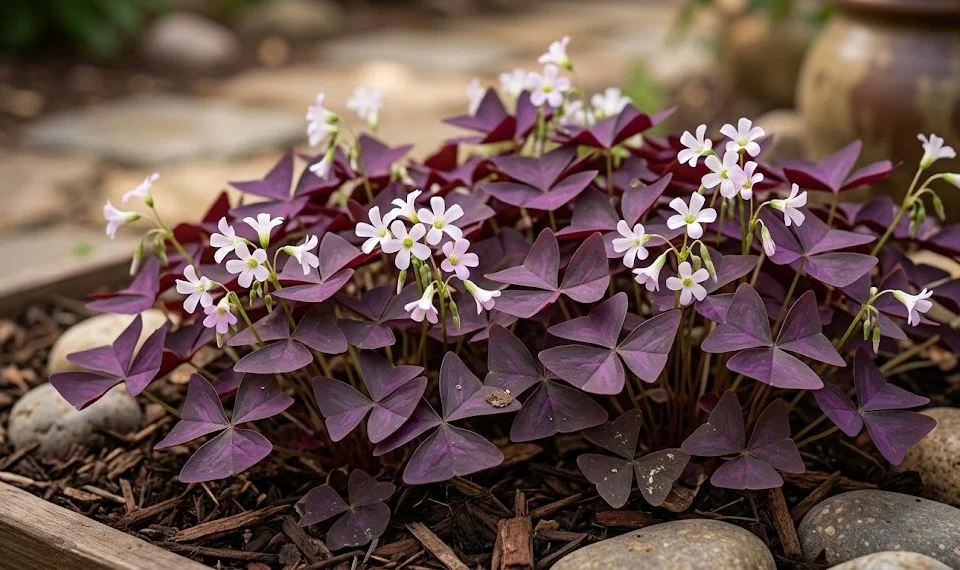
The primary reason most people prune their false shamrock is to manage its shape and prevent it from becoming too “leggy” or unkempt. Over time, some stems will naturally grow longer than others, creating an uneven canopy that lacks the compact beauty of a young plant. By selectively removing these outlier stems, you encourage the plant to put more energy into new, shorter growth near the center. This results in a much denser and more visually appealing “mound” of purple foliage.
Another functional goal of pruning is to remove old, damaged, or diseased leaves that might be draining the plant’s resources. As leaves age, they become less efficient at photosynthesis but still require water and nutrients to stay alive. Removing these “senior” leaves allows the plant to redirect those valuable assets to the young, vibrant shoots that are just emerging. This simple maintenance task keeps the entire specimen looking fresh and prevents the buildup of dead organic matter.
Pruning is also an essential part of the “dormancy management” strategy that we discussed in previous chapters. When the plant begins to show signs of winding down for the season, cutting back the declining foliage can help it enter rest more cleanly. Instead of leaving a mess of yellowing leaves to slowly decay, a quick pruning session tidies up the pot and prepares it for storage. This proactive approach makes the transition into and out of dormancy much smoother for both the plant and the gardener.
Finally, you can use pruning to control the flowering cycle if you prefer the look of the leaves over the blossoms. While the small pink or white flowers are charming, they do take a significant amount of energy away from the foliage. Many professional growers pinch off the flower stalks as soon as they appear to ensure the leaves remain as large and vibrant as possible. This is a matter of personal preference, but it is a valid use of pruning techniques to achieve a specific aesthetic goal.
More articles on this topic
Techniques for a successful rejuvenation
When you are ready to prune, it is important to use the right technique to avoid damaging the delicate stems or the underground rhizomes. You should never simply pull or rip the stems away, as this can cause tearing and create entry points for pathogens. Instead, use a pair of sharp, sterilized scissors or pruning shears to make a clean cut as close to the soil level as possible. A clean wound heals much faster and looks much more professional than a jagged break.
For a general “tidy up,” you can simply go through the plant and remove any individual stems that look weak, discolored, or out of place. This type of selective pruning can be done at any time during the active growing season without causing much stress to the plant. It’s best to do this every few weeks to keep the plant looking its absolute best. You will find that the plant responds quickly to these small adjustments by producing fresh, new growth in the gaps you’ve created.
If the plant has become extremely leggy or has suffered a major pest infestation, a “hard prune” or total cutback might be necessary. This involves cutting every single stem back to within an inch of the soil, essentially removing the entire canopy at once. While this looks drastic and can be scary for a beginner, the false shamrock is one of the few plants that actually thrives after such treatment. Because the energy is stored in the rhizomes, the plant will usually begin to send up a fresh, perfectly even set of leaves within a few weeks.
This hard pruning technique is best performed in the early spring, just as the plant is waking up from its winter rest. The combination of fresh energy and increasing light levels will result in a spectacular and rapid recovery. By doing this every few years, you effectively “reset” the plant and prevent it from ever becoming permanently sparse or woody. It is a secret weapon that professional indoor gardeners use to keep their specimens looking young and vibrant indefinitely.
More articles on this topic
Tools, sanitation, and post-pruning care
The quality of your tools can have a significant impact on the success of your pruning efforts and the health of your plant. Dull blades can crush the stems instead of cutting them, leading to tissue damage that is slow to heal. Invest in a small, high-quality pair of snips that are easy to maneuver between the dense stems of the false shamrock. Keeping your tools sharp is a basic but essential part of being a responsible and effective gardener.
Sanitation is the other half of the equation when it comes to tool maintenance and disease prevention. Always wipe your blades with a bit of rubbing alcohol before you start working on your plant, especially if you have used them on other species. This simple habit prevents the spread of microscopic fungi, bacteria, and viruses that can quickly kill a weakened plant. Once you have finished your pruning, clean the tools again and dry them thoroughly to prevent rust and maintain their longevity.
After a significant pruning session, your plant will need a bit of extra time to recover and start its new growth cycle. Avoid the temptation to immediately fertilize, as the plant needs to focus on healing its wounds rather than processing concentrated nutrients. Keep the plant in its usual bright spot and continue to water carefully, being mindful that it will need less water until the new leaves emerge. This “quiet time” is essential for the plant to reorganize its internal resources and prepare for its comeback.
Finally, take the time to dispose of the pruned material properly, especially if you suspect any pests or diseases were present. Do not leave the cut stems sitting on top of the soil, as they will attract mold and fungus gnats as they decompose. Placing the trimmings in a sealed bag or a compost bin (if they are healthy) keeps your gardening area clean and professional. With these final steps, you have completed the cycle of care and set the stage for your false shamrock to shine once again.