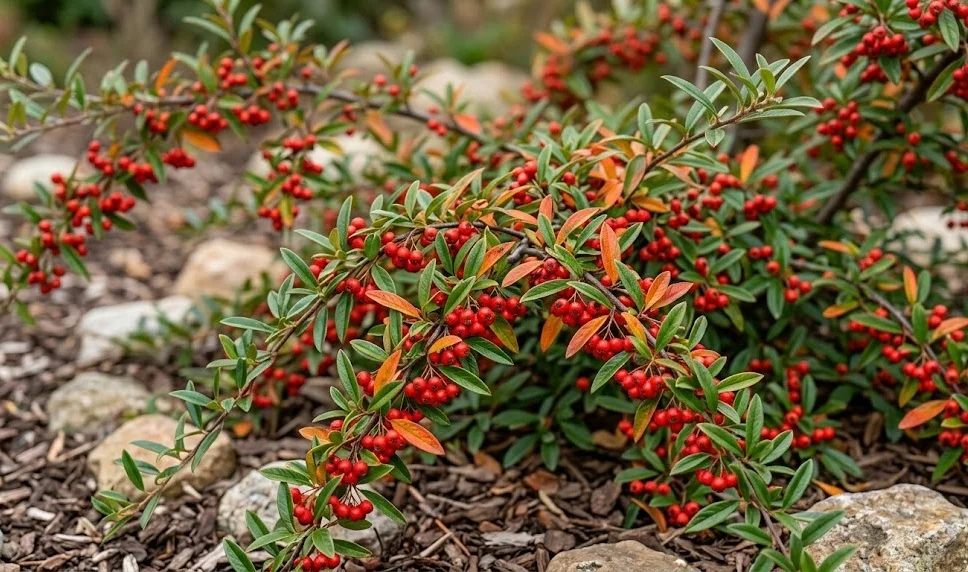

Pruning is an essential skill for managing the size and shape of willow-leaved cotoneaster while also promoting the long-term health of the shrub. This species responds well to both maintenance pruning and more significant rejuvenation cuts, provided they are performed at the correct time of year. Because of its weeping habit, the goal of pruning should be to enhance its natural form rather than trying to force it into a rigid, formal shape. A thoughtful approach to cutting back will result in a more productive plant with better airflow and a more attractive silhouette.
The best time to perform major pruning on the willow-leaved cotoneaster is in the late winter or very early spring while the plant is still dormant. During this period, the structure of the branches is clearly visible without the distraction of leaves, making it easier to identify where cuts should be made. Pruning before the sap starts to flow also minimizes stress on the plant and allows the wounds to begin healing as soon as the spring growth starts. You should avoid heavy pruning in the late summer or autumn, as this can stimulate new growth that won’t have time to harden off before frost.
Maintenance pruning involves the removal of the “three Ds”: dead, damaged, or diseased wood. You should inspect the plant annually for any branches that have been broken by wind or show signs of infection. These should be removed back to a healthy lateral branch or all the way to the main stem to prevent the spread of pathogens. Keeping the center of the shrub open by removing some of the older, crowded branches will significantly improve air circulation and light penetration.
For older specimens that have become overgrown or lost their vigor, a rejuvenation pruning can breathe new life into the plant. This involves cutting back about one-third of the oldest branches to ground level each year over a three-year period. This gradual approach allows the plant to continue producing flowers and berries while slowly replacing old wood with fresh, productive growth. It is a much less stressful method than “hacking” the entire plant back at once, which can sometimes lead to the death of the specimen.
Techniques for enhancing the weeping form
The unique weeping habit of the willow-leaved cotoneaster is its most striking feature, and your pruning should always aim to highlight this. You should focus on thinning out the branches rather than “heading back” or shearing the tips, which can lead to an unattractive, tufted appearance. By removing entire branches at their point of origin, you can reduce the density of the plant without changing its graceful, cascading silhouette. This selective thinning allows the remaining branches to hang more freely and elegantly.
More articles on this topic
When cutting back individual stems, always make your cuts just above a bud that is facing in the direction you want the new growth to go. For a weeping plant, this usually means choosing a bud that is pointing downward or outward. This precision ensures that the new shoots will continue to contribute to the overall form of the shrub rather than growing awkwardly into the center. Taking the time to consider each cut will result in a much more professional and aesthetically pleasing outcome.
Tool maintenance and safety
Using the right tools and keeping them in top condition is a fundamental part of professional pruning. For the willow-leaved cotoneaster, you will primarily need a sharp pair of bypass pruners for smaller stems and loppers for the thicker, older wood. Dull tools can crush the stems instead of cutting them cleanly, which creates a jagged wound that is slow to heal and prone to disease. You should sharpen your blades regularly and oil the moving parts to ensure smooth operation and precise cuts.
Sterilization of your pruning tools is also critical, especially if you are moving between different plants or dealing with any signs of disease. A quick wipe with a disinfectant like seventy-percent isopropyl alcohol between cuts can prevent the accidental spread of bacterial or fungal spores. You should also wear gloves and eye protection to guard against the sharp edges of the wood and the potential for flying debris. Following these professional safety and maintenance protocols protects both the gardener and the garden.