
The performance and aesthetic appeal of willow-leaved cotoneaster are heavily influenced by the quantity and quality of light it receives throughout the year. While this species is celebrated for its adaptability, finding the “sweet spot” of light exposure is key to maximizing its flowering potential and berry production. Understanding how light interacts with the plant’s physiology allows you to place it strategically within your landscape for the best possible results. Whether used as a specimen plant or a functional ground cover, its light needs should be a primary consideration during the planning phase.
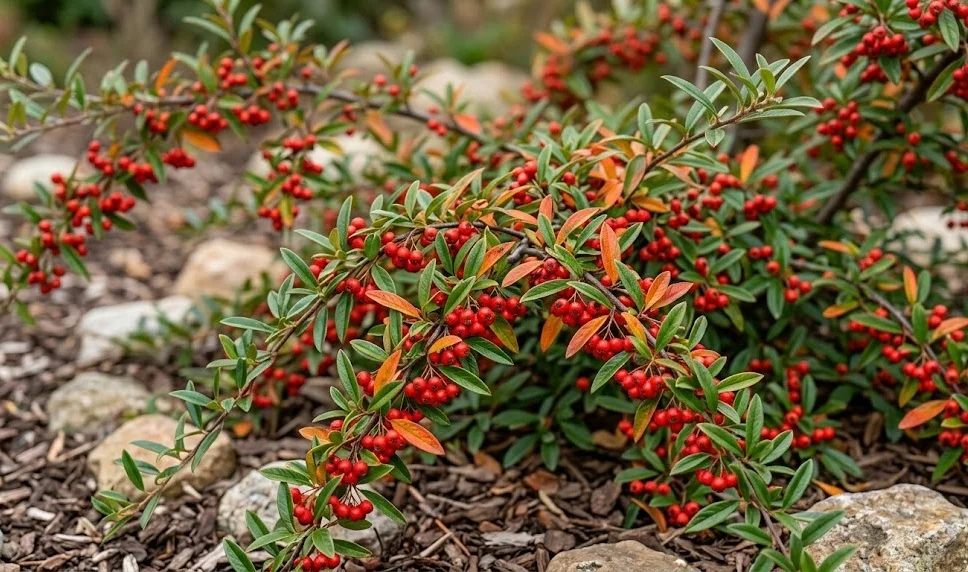
For the most vigorous growth and the most abundant fruit display, the willow-leaved cotoneaster should be planted in a location that receives full sun. Full sun is generally defined as at least six to eight hours of direct sunlight during the peak of the day. In these conditions, the foliage remains dense and the branches develop their characteristic strong, weeping form. The intensity of the light also helps trigger the chemical processes necessary for the development of those iconic red berries in the autumn.
While full sun is ideal, this plant also possesses a remarkable tolerance for partial shade, making it a versatile choice for many garden settings. In partially shaded areas, you may notice that the growth is slightly more open and the number of flowers and berries is somewhat reduced. However, the glossy green color of the leaves often remains vibrant, and the plant can still provide excellent coverage. This flexibility allows you to use the cotoneaster in areas where light levels fluctuate due to the canopy of nearby trees or the shadows of buildings.
In regions with extremely hot summers, some afternoon shade can actually be beneficial for the willow-leaved cotoneaster. Intense, direct sunlight during the hottest part of the day can sometimes lead to leaf scorch or heat stress, especially if moisture is lacking. Providing a bit of relief from the mid-day sun helps the plant maintain its moisture balance and prevents the foliage from looking tired or bleached. You should observe how the light moves across your garden during the summer months to identify these potential stress zones.
Impact of light on growth habits
The direction and intensity of light play a significant role in shaping the natural habit of the willow-leaved cotoneaster. Plants grown in high-light environments tend to be more compact with shorter internodes between the leaves, resulting in a fuller appearance. If the light is too low, the plant may become “leggy” as it stretches toward the nearest light source, losing its dense, ground-hugging quality. You can manage this to some extent through pruning, but starting with the right light level is always more effective.
More articles on this topic
Light also influences the seasonal color changes that make this shrub so attractive in the landscape. In the autumn, specimens exposed to plenty of sunlight often develop more intense reddish or purplish tints in their foliage before the onset of winter. This color transition is a physiological response to the combination of shorter days and bright light, adding another layer of interest to the garden. Without sufficient light, these color shifts may be muted or absent altogether, reducing the plant’s seasonal impact.
Light and reproductive success
Flowering and subsequent berry production are directly linked to the amount of energy the plant can harvest through photosynthesis. The small, white flowers that appear in late spring require a certain threshold of light to develop fully and attract pollinators like bees. A plant tucked away in deep shade will produce very few blooms, which in turn leads to a sparse crop of berries. Since the berries are a major draw for this cultivar, providing adequate light is essential for its primary ornamental purpose.
The quality of the light, not just the duration, can also affect how well the fruit matures and persists on the branches. Berries that develop in full sun often have a deeper, more consistent color and may stay on the plant longer into the winter months. This is important not only for the visual appeal of the garden but also for providing a food source for birds during the colder seasons. Ensuring that the plant has access to bright light throughout the summer and autumn is the best way to guarantee a spectacular fruit display.