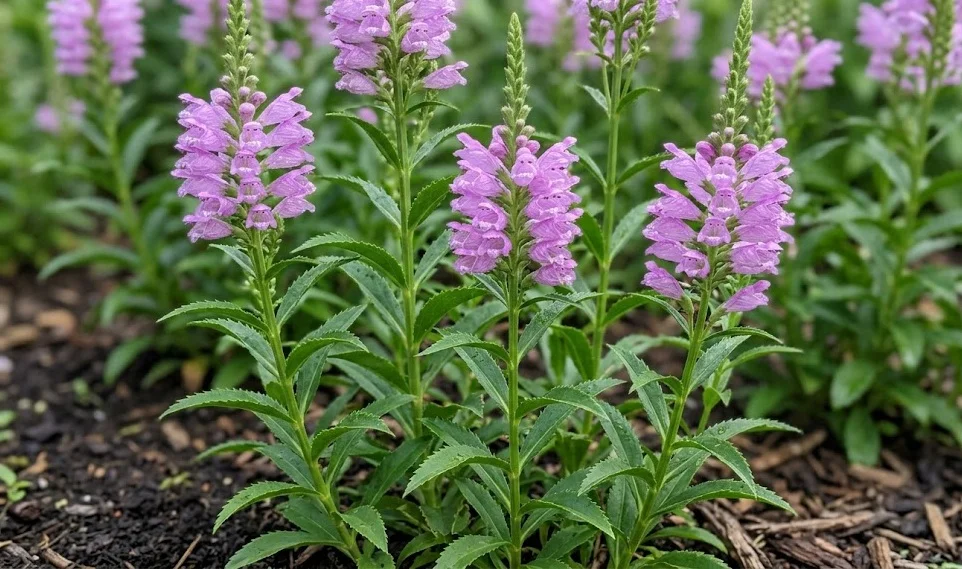

Maintaining the health of the obedient plant involves being vigilant against a variety of environmental stressors and biological threats. You will find that while this perennial is generally quite hardy, it is not entirely immune to the challenges posed by fungal pathogens and hungry insects. By learning how to identify the early warning signs of trouble, you can take proactive steps to protect your garden from significant damage. A combination of good cultural practices, natural remedies, and occasional targeted interventions will keep your plants looking their best throughout the entire growing season.
Managing common fungal issues and leaf spots
One of the most frequent challenges you might encounter is the appearance of fungal spots on the leaves of your obedient plant. These are often caused by humid conditions and poor air circulation within the garden beds, which allow spores to take hold and multiply. You should look for small, dark circles or irregular patches that may eventually turn yellow or brown. While a few spots are usually not a threat to the plant’s survival, a severe infection can weaken the foliage and reduce its overall aesthetic appeal.
To prevent fungal outbreaks, you should always water your plants at the base rather than from overhead to keep the leaves as dry as possible. Morning watering is particularly effective because it allows any accidental moisture on the foliage to evaporate quickly in the sun. You should also ensure that your plants are not overcrowded, as a lack of airflow creates a perfect microclimate for disease. Thinning out dense clumps every few years is a great way to improve the health of the entire colony.
If you notice infected leaves, you should remove and destroy them immediately to prevent the fungus from spreading to healthy parts of the plant. You can also use organic fungicides, such as neem oil or a solution of baking soda and water, as a preventative measure or to treat early infections. Be sure to apply these treatments in the evening to avoid any risk of leaf scorch during the heat of the day. Consistency is the key to managing fungal issues before they become a major problem for your garden.
Maintaining a clean garden environment during the autumn cleanup is another essential step in reducing fungal pressure for the following year. You should remove all dead plant material and fallen leaves, as these can harbor spores that will survive through the winter. By starting each spring with a clean slate, you significantly reduce the chances of a recurring infection. Taking these simple precautions will help your obedient plant remain vibrant and healthy year after year.
More articles on this topic
Dealing with sap-sucking insects and mites
Aphids are among the most common pests that you might find clustered on the tender new growth and flower buds of the obedient plant. These small, soft-bodied insects feed on the plant’s sap, which can cause the leaves to curl and the stems to become stunted. You should inspect your plants regularly, looking for the sticky “honeydew” that aphids excrete, which can also attract ants and lead to the growth of sooty mold. Fortunately, aphids are relatively easy to manage if you catch them early.
A strong blast of water from your garden hose is often enough to knock aphids off the plant and disrupt their feeding cycle. You can also encourage natural predators like ladybugs and lacewings to take up residence in your garden by planting a variety of flowering species. If the infestation is severe, an application of insecticidal soap can be very effective without causing harm to larger beneficial insects. Remember to spray both the tops and bottoms of the leaves for the best results.
Spider mites are another potential threat, especially during hot, dry periods when the plant may already be slightly stressed. You might notice fine webbing between the leaves or a stippled, dusty appearance on the foliage, which is a sign of their feeding activity. Mites are very small and can be hard to see with the naked eye, but their damage is quite distinctive once you know what to look for. Increasing the humidity around the plant with occasional misting can help deter these pests, as they prefer dry environments.
For persistent mite problems, you can use neem oil or a specialized horticultural oil to suffocate the insects and their eggs. It is important to treat the entire plant thoroughly and repeat the application every week or two until the problem is under control. Keeping your plants well-hydrated during heatwaves is one of the best defenses against mite infestations, as healthy plants are much less attractive to them. Monitoring your garden daily allows you to intervene before a small pest problem turns into a major crisis.
More articles on this topic
Preventing root rot and crown issues
Root rot is a serious condition that can occur when the obedient plant is grown in soil that is too heavy or poorly drained. You should be concerned if you notice the plant wilting despite having moist soil, or if the base of the stems feels soft and discolored. This is often caused by soil-borne pathogens that thrive in oxygen-deprived, waterlogged conditions. Once root rot takes hold, it can be very difficult to save the plant, so prevention is absolutely the best strategy.
To avoid these issues, you should always choose a planting site that has good natural drainage or take steps to improve the soil before planting. Adding grit, coarse sand, or organic matter can help open up the soil structure and allow water to move through more freely. If you have a particularly wet area in your garden, you might consider planting the obedient plant on a slightly raised mound to keep the crown above the standing water. These simple engineering solutions can make a world of difference for your plant’s longevity.
When you are dividing or transplanting your plants, you should inspect the roots for any signs of disease or decay. Healthy roots should be firm and light in color, while diseased roots often appear brown, mushy, and may have an unpleasant odor. You should trim away any suspicious sections with sterilized tools before replanting the healthy portions in fresh, clean soil. This proactive approach ensures that you are only ever growing the strongest and most resilient stock in your garden.
Avoid piling mulch or soil directly against the crown of the plant, as this can trap moisture and create a perfect environment for rot to begin. You should always maintain a small “buffer zone” of clear ground around the base of the stems to allow for proper air circulation. By keeping the crown dry and the roots well-aerated, you eliminate the primary conditions that lead to these devastating diseases. A little bit of attention to detail during the planting and mulching process will pay off in the long run.
Managing rust and powdery mildew
Rust is another fungal disease that can occasionally affect the obedient plant, appearing as orange or brownish pustules on the undersides of the leaves. You might find that heavily infected leaves eventually turn yellow and drop off prematurely, which can weaken the plant over time. Rust spores are often spread by wind or splashing water, making it a difficult disease to completely avoid in some climates. However, there are several steps you can take to minimize its impact on your garden’s health.
Selecting resistant cultivars is one of the most effective ways to deal with rust if it is a common problem in your area. You should also focus on maintaining high levels of garden hygiene by removing and disposing of any infected foliage as soon as you see it. Avoid composting diseased material, as the spores can sometimes survive the composting process and be reintroduced to your beds later. By breaking the cycle of infection, you can keep the rust pressure at a manageable level.
Powdery mildew is a more recognizable issue, appearing as a white, flour-like coating on the surface of the leaves and stems. This fungus thrives in warm, humid weather and can spread rapidly if the conditions are right for its growth. While it rarely kills the plant, it can make the foliage look very unattractive and may reduce the plant’s overall vigor. You should improve the light levels and air circulation around your plants to make the environment less hospitable for this persistent fungus.
Natural treatments for powdery mildew include a spray made from a mixture of milk and water, which has been shown to be quite effective in many garden trials. You can also use potassium bicarbonate or specialized fungicides designed for ornamental plants if the problem is severe. Applying these treatments at the first sign of the white coating will help keep the infection under control. With a little bit of vigilance and the right tools, you can ensure that your obedient plant remains a beautiful addition to your landscape.
Implementing integrated pest management strategies
Integrated Pest Management (IPM) is a professional approach that combines various methods to keep pest populations at a level that doesn’t cause significant damage. You should start by creating a diverse garden ecosystem that supports a wide range of beneficial insects and birds. These natural allies will do much of the work for you, keeping common pests in check without the need for constant human intervention. A balanced garden is a resilient garden that can mostly take care of itself.
Regular monitoring is the foundation of any successful IPM strategy, as it allows you to catch problems while they are still small. You should walk through your garden several times a week, looking closely at the foliage and stems of your plants for any signs of stress or activity. Keeping a garden journal can help you track when certain pests appear each year, allowing you to be even more prepared for the future. Knowledge is your most powerful tool when it comes to maintaining a healthy and vibrant outdoor space.
When an intervention is necessary, you should always start with the least toxic option first, such as physical removal or a strong stream of water. If you must use a chemical treatment, choose one that is specific to the pest you are targeting and has a minimal impact on beneficial species. Following the label instructions exactly is crucial for the safety of both your plants and the environment. By being a mindful and informed gardener, you can manage any challenge that comes your way.
Finally, remember that a perfectly pristine garden is not always the ultimate goal, and a few nibbled leaves are a sign of a living, breathing ecosystem. You should aim for a healthy balance where your plants can thrive and support a variety of life forms. The obedient plant is a tough survivor, and with your help, it will continue to provide beauty and ecological value for many years to come. Enjoy the process of learning about your garden’s inhabitants and finding ways to live in harmony with them.