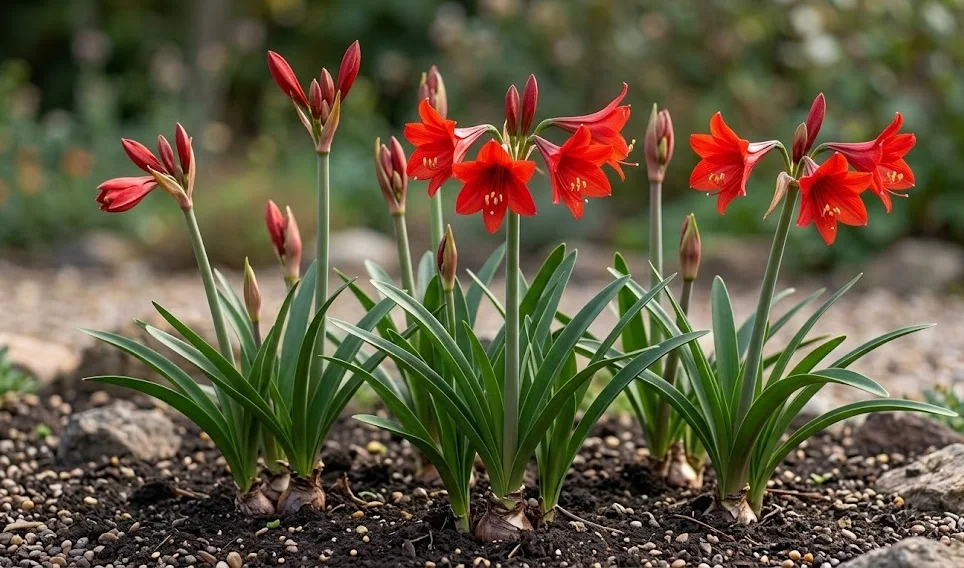

Watering the scarborough lily is an art that requires you to pay close attention to the environmental conditions and the plant’s growth stage. During the active summer months, the plant appreciates regular moisture to support its lush foliage and developing flower stalks. You should always check the top inch of the soil to ensure it has dried out slightly before adding more water. Overwatering is the most common mistake and can lead to the rapid demise of even the healthiest bulb.
The quality of the water you use can also have a significant impact on the long-term health of the lily. Rainwater or distilled water is often preferred by professionals because it lacks the salts and chemicals found in tap water. If you must use tap water, letting it sit out for 24 hours allows some of the chlorine to dissipate before application. This small step can prevent the buildup of harmful minerals in the potting medium over several years.
When you water, you should aim to soak the entire root ball thoroughly until water runs out of the drainage holes. This ensures that the roots at the bottom of the pot receive the moisture they need to function properly. You should avoid getting water directly into the center of the leaf crown or onto the bulb itself. Moisture trapped in these areas can encourage fungal growth and rot, especially in cooler weather or low light.
As the seasons change and the plant enters its rest period, your watering frequency must decrease significantly. During the winter months, the plant’s metabolism slows down and its water requirements are minimal. You only need to provide enough water to prevent the bulb from shriveling and the roots from drying out completely. This reduction in moisture is essential for the plant to complete its natural dormancy cycle and prepare for spring.
Water temperature and timing
The temperature of the water used for irrigation should be as close to room temperature as possible. Cold water directly from a tap can shock the sensitive root system and cause the plant to stop growing temporarily. Professional growers often keep a large watering can filled in the greenhouse to ensure the water is always at the right temperature. This consistency helps to maintain a stable environment for the roots and promotes steady, uninterrupted growth.
More articles on this topic
Timing your watering for the early morning is highly recommended for the health of the scarborough lily. This allows any accidental splashes on the leaves to evaporate during the day as the temperature rises. Watering in the evening can leave the plant damp throughout the night, which significantly increases the risk of fungal infections. A morning routine also ensures the plant has the hydration it needs to withstand the heat of the day.
In very hot weather, you may need to water more frequently, but the principle of checking the soil first still applies. Evaporation happens much faster in terracotta pots and in well-ventilated areas, so stay vigilant during heatwaves. You can also use mulching techniques on the surface of the soil to help retain moisture for a longer period. A thin layer of decorative gravel or bark can be both functional and aesthetically pleasing for your potted plants.
If you are unsure whether the plant needs water, it is usually safer to wait another day or two. The scarborough lily is much more tolerant of a brief period of drought than it is of constantly wet soil. You can use a moisture meter or simply your finger to gauge the hydration levels deep within the pot. Learning to “read” your plant’s needs through its appearance and the weight of the pot is a valuable skill.
Nutritional requirements
Fertilization is the key to producing the large, vibrant blooms that make the scarborough lily so desirable in a collection. You should use a balanced liquid fertilizer that contains a good mix of nitrogen, phosphorus, and potassium. Nitrogen supports the growth of healthy green leaves, while phosphorus is essential for the development of strong roots and flowers. Potassium helps the plant’s overall resilience and improves its ability to withstand environmental stress and disease.
More articles on this topic
During the active growing season, applying fertilizer every two to three weeks is usually sufficient for optimal results. You should always apply the fertilizer to damp soil to prevent the concentrated salts from burning the roots. Diluting the fertilizer to half the strength recommended on the package is a safe and professional way to feed the plant. Over-fertilizing can lead to excessive foliage growth at the expense of flowers and can even damage the bulb.
Micronutrients like magnesium, iron, and manganese are also important for the long-term vitality of the plant. A high-quality fertilizer will usually include these in trace amounts to prevent any specific nutritional deficiencies. If you notice yellowing between the veins of the leaves, it may be a sign that the plant is lacking certain minerals. Specialized bulb fertilizers are often the best choice as they are formulated to meet the specific needs of these plants.
Once the flowering season is over and the plant begins to slow down, you should stop all fertilization immediately. Feeding the plant during its rest period can disrupt its natural cycle and lead to weak, unnatural growth. The bulb needs this time to process the nutrients it has stored and prepare for the next year’s developmental phases. Resume feeding only when you see the first signs of vigorous new growth in the following spring season.
Application of liquid fertilizers
The method of applying liquid fertilizer is just as important as the type of nutrients you choose to use. You should ensure that the liquid is distributed evenly across the entire surface of the soil to reach all the roots. Avoid pouring the fertilizer directly onto the bulb or the foliage, as this can cause localized chemical burns. Consistency in your application schedule will lead to much more predictable and healthy growth patterns over time.
Foliar feeding, or spraying a weak nutrient solution directly onto the leaves, is another technique used by some professionals. This can provide a quick boost to plants that are showing signs of stress or nutrient deficiency. However, it should only be used as a supplement to regular soil fertilization and not as a primary source of nutrients. If you choose this method, ensure the leaves can dry quickly to avoid any potential fungal issues or leaf spot.
Using organic liquid fertilizers like seaweed extract or fish emulsion can provide a more natural and slow-release source of nutrients. These products often contain beneficial hormones and microorganisms that improve the overall health of the soil and the plant. They are generally gentler on the roots and are less likely to cause salt buildup in the potting medium. Many expert gardeners prefer organic options for their long-term benefits to the plant’s ecosystem.
Regardless of the fertilizer you choose, you should periodically flush the soil with plain water to remove any accumulated salts. Salt buildup can interfere with water uptake and cause the tips of the leaves to turn brown and dry. A thorough flushing every few months will keep the soil fresh and the roots healthy and active. This simple maintenance task is a key part of a professional fertilization program for any container-grown lily.
Signs of nutrient deficiency
Being able to identify the early signs of nutrient deficiency is a critical skill for any professional horticulturalist. Nitrogen deficiency often manifests as a general paling or yellowing of the entire plant, starting with the older leaves. If the plant lacks phosphorus, the leaves may take on a purplish tint, and the overall growth will be severely stunted. Recognizing these visual cues allows you to adjust your fertilization program before the plant suffers permanent damage.
Potassium deficiency is typically seen as browning or “scorching” of the leaf edges, even when the plant is well-watered. This can often be confused with drought stress, so it is important to look at the overall health and history of the plant. A lack of calcium can lead to distorted or weak growth in the newest leaves and the developing flower stalk. Regular observation and a balanced feeding routine are the best ways to prevent these issues from occurring in the first place.
Iron deficiency, or chlorosis, is common in plants grown in soil that is too alkaline for their specific needs. This shows up as bright yellow leaves with distinct green veins, creating a very characteristic and recognizable pattern. You can correct this by using a chelated iron supplement or by adjusting the pH of the soil with acidic amendments. Addressing the root cause, such as the soil pH, is always more effective than just treating the symptoms with more fertilizer.
A healthy scarborough lily should have dark green, firm, and upright leaves that show no signs of spotting or discoloration. If the plant looks vigorous and produces strong flowers, your watering and fertilization routine is likely right on track. Trust your observations and be prepared to make small adjustments based on the unique conditions of your growing space. Your goal is to provide a stable and nutrient-rich environment that allows the lily to express its full genetic potential.