
Proper hydration and nutrient management are the two pillars of maintaining the health and beauty of the black-stemmed dogwood. While these shrubs are relatively tough, they require specific attention to their water and food needs to produce their best bark color. Over-watering can be just as damaging as a prolonged drought, so finding the right balance is essential for every gardener. This guide provides professional insights into establishing a successful routine for watering and feeding your dogwoods through all the stages of their lives.
Establishing a watering routine
When your dogwood is first planted, it will require frequent and deep watering to help the roots establish themselves in the new soil. You should check the moisture levels daily during the first few weeks, especially if the weather is warm or windy. The goal is to keep the soil consistently moist but never saturated or swampy to the touch. A slow trickle from a hose is often better than a quick blast of water, as it allows for deeper penetration.
As the shrub matures and becomes established, you can gradually reduce the frequency of watering while increasing the amount given each time. Most established dogwoods need about an inch of water per week, either from rainfall or manual irrigation. You should pay close attention during the height of summer when evaporation rates are at their highest in the garden. Mulching around the base of the plant is an excellent way to conserve soil moisture and reduce the need for constant watering.
One of the most common mistakes is only watering the surface of the soil, which encourages shallow root growth. Shallow roots make the plant much more susceptible to heat stress and drought damage during the hottest months. Instead, aim to soak the ground deeply so that the moisture reaches at least six to eight inches below the surface. This practice encourages the roots to grow deeper into the earth, creating a much more resilient and stable plant.
Observe the foliage of your dogwood for signs that it might be thirsty, such as wilting or curling leaves in the afternoon. If the leaves recover overnight, the plant is likely just managing the heat, but if they remain wilted in the morning, it needs water. Avoid watering the leaves directly, as this can encourage fungal diseases and other foliar problems. Directing the water at the base of the shrub is the most efficient and healthy way to hydrate your plants.
More articles on this topic
Seasonal adjustments for irrigation
The water needs of the black-stemmed dogwood change significantly as the seasons transition from spring to winter in the garden. In the spring, the plant requires ample moisture to support the flush of new growth and the development of fresh foliage. If the spring is particularly dry, you must step in with manual watering to ensure the plant doesn’t start the season under stress. This initial burst of energy is what sets the stage for the rest of the year’s performance.
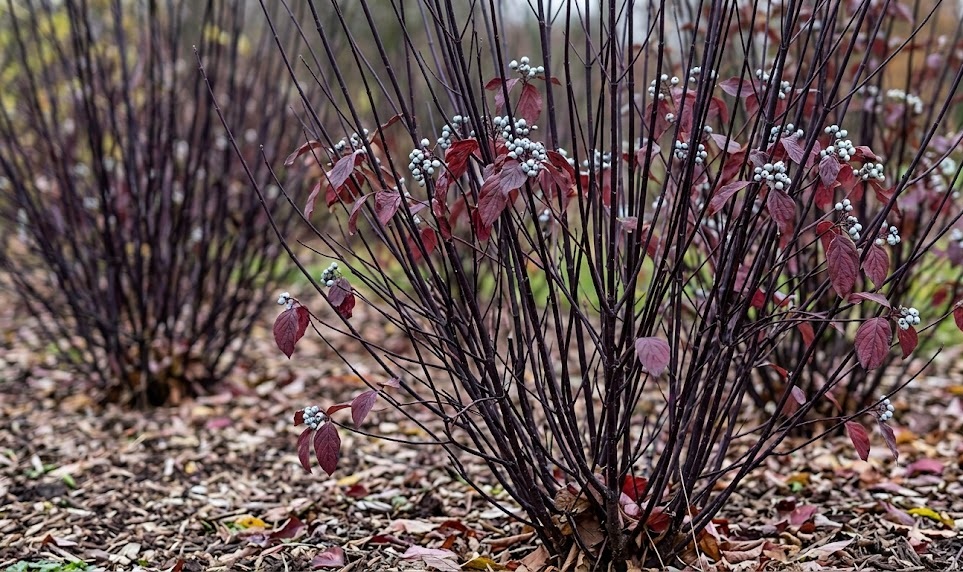
During the autumn months, you should continue to monitor the soil moisture even as the leaves begin to change color and fall. Many people make the mistake of stopping their watering routine too early once the plant looks like it is going dormant. The roots are actually still quite active in the cooling soil and need moisture to prepare for the upcoming winter. Ensuring the plant is well-hydrated before the ground freezes can prevent winter desiccation and stem dieback.
In regions with very cold winters, the plant enters a true state of dormancy where its water needs are minimal but not zero. If you experience a winter drought with little snow or rain, the roots can still dry out, especially if the soil is sandy. You might consider watering during a warm spell when the ground is not frozen to provide a little relief. However, be careful not to overdo it, as dormant plants do not process water nearly as quickly as active ones.
Once spring returns, you can resume your regular monitoring and adjust your schedule based on the amount of natural precipitation. Every year is different, so being flexible and observant is more important than following a rigid calendar. By paying attention to the weather and the soil, you can provide the perfect amount of hydration for your shrubs. A well-watered dogwood will always be more resistant to pests and diseases than one that is struggling.
More articles on this topic
Nutrient requirements and soil fertility
Fertilizing your black-stemmed dogwood is about providing the building blocks it needs for growth and stem pigmentation. While they are not heavy feeders, a little extra nutrition can go a long way in improving the overall vigor of the shrub. The best time to apply fertilizer is in the early spring just as the new growth begins to emerge from the buds. This provides the plant with the nutrients it needs during its most active phase of the entire year.
A balanced, slow-release fertilizer is usually the best choice for most garden situations and soil types. Look for a product with an N-P-K ratio like 10-10-10 or something similar that provides a steady supply of nutrients over several months. Avoid using high-nitrogen fertilizers late in the summer, as this can encourage soft, new growth that won’t have time to harden off before winter. This tender growth is very susceptible to frost damage and can weaken the plant’s overall structure.
You should always apply fertilizer to moist soil and water it in thoroughly to help the nutrients reach the root zone. Never let fertilizer granules sit directly against the bark of the shrub, as this can cause chemical burns to the sensitive tissue. If you have been mulching regularly with organic compost, you may find that your dogwood needs very little additional fertilization. The natural breakdown of organic matter often provides a perfectly balanced diet for these resilient plants.
If your plant seems to be struggling despite proper watering and light, you might want to perform a professional soil test. This will identify any specific mineral deficiencies that could be limiting the growth or health of your dogwood. For example, a lack of iron or magnesium can lead to yellowing leaves and poor stem color in the winter months. Targeted fertilization based on soil test results is always more effective than guessing what the plant might need.
Organic fertilization methods
Many professional gardeners prefer using organic methods to feed their black-stemmed dogwoods and improve the soil ecosystem. Well-rotted manure or garden compost can be applied as a top-dressing around the base of the shrub every spring. These materials provide a wide range of micronutrients and improve the soil’s ability to hold both water and air. Organic matter also feeds the beneficial fungi and bacteria that help the plant’s roots absorb nutrients more efficiently.
Liquid organic fertilizers like seaweed extract or compost tea can be used as a quick pick-me-up during the growing season. These can be applied to the soil or even sprayed directly on the leaves for a fast-acting dose of minerals and hormones. This is particularly helpful if the plant is showing signs of minor stress or if you want to encourage more vibrant foliage. Organic liquids are gentle and less likely to cause the salt buildup that can sometimes occur with synthetic products.
Fish emulsion is another popular organic choice that provides a good source of nitrogen and other essential elements for healthy growth. While it has a strong scent, it is an excellent fertilizer for promoting the lush green leaves that characterize a healthy dogwood. You can dilute it according to the package instructions and apply it every few weeks during the early part of the summer. Always remember that with organic fertilizers, a consistent and moderate approach is usually the most successful.
Using bone meal can also be beneficial, particularly when planting new shrubs or encouraging stronger root development in established ones. It provides a slow-release source of phosphorus, which is vital for the structural health and flowering of the plant. Incorporating these organic practices into your routine helps build a sustainable and healthy environment for your entire garden. Long-term soil health is the true secret to growing spectacular black-stemmed dogwoods that stand the test of time.
Identifying signs of over and under feeding
Learning to read the signals your plant is giving you is a vital skill for managing the fertilization of your dogwoods. If you notice that the leaves are exceptionally large but the stems are weak and floppy, you may be over-fertilizing with nitrogen. This can make the plant more attractive to pests like aphids and more prone to damage from wind or heavy snow. Sometimes, less is more when it comes to feeding shrubs that are already growing in decent garden soil.
On the other hand, a plant that is under-fed will often show stunted growth and small, pale leaves that drop earlier than usual. You might also notice that the bark color in the winter is dull and lacks the deep, dark intensity that you expect. While these symptoms can also be caused by poor light or water issues, they are often a sign of nutrient depletion. Check the surrounding soil to see if it looks exhausted or if other plants nearby are also showing similar signs.
Burned leaf edges or a sudden decline in health after applying fertilizer usually indicate that the concentration was too high or it was applied to dry soil. If this happens, you should flush the area with plenty of clean water to wash away the excess salts from the root zone. In the future, always follow the manufacturer’s directions and err on the side of caution with application rates. It is much easier to add more fertilizer later than it is to fix the damage caused by an overdose.
By maintaining a balanced and observant approach, you can keep your black-stemmed dogwood in peak condition throughout its life. Every garden is unique, and you will eventually learn exactly how your plants respond to different feeding schedules and products. Trust your instincts and the physical evidence the plant provides to guide your maintenance decisions each season. A healthy, well-nourished dogwood is a true joy to behold and a testament to your skill as a gardener.