
While many perennials are simply cut to the ground in the autumn and forgotten until spring, the black hellebore requires a more nuanced and professional approach to grooming. Because it is an evergreen plant that blooms during the coldest months, the timing and technique of pruning are vital for both its health and its visual impact. Removing the right leaves at the right time not only prevents disease but also allows the stunning white blossoms to take center stage without distraction. This guide will walk you through the expert steps for maintaining a tidy and productive plant throughout the year.
Pruning is not just about aesthetics; it is a critical part of the plant’s health management strategy. By removing old, damaged, or diseased foliage, you are improving air circulation and removing the primary source of many common garden problems. This process requires a gentle hand and a bit of patience, as the plant is slow-growing and doesn’t appreciate aggressive or poorly timed intervention. A humanized approach involves observing the plant’s natural growth cycle and stepping in only when it is truly beneficial for the specimen’s long-term vitality.
Strategic leaf management for winter beauty
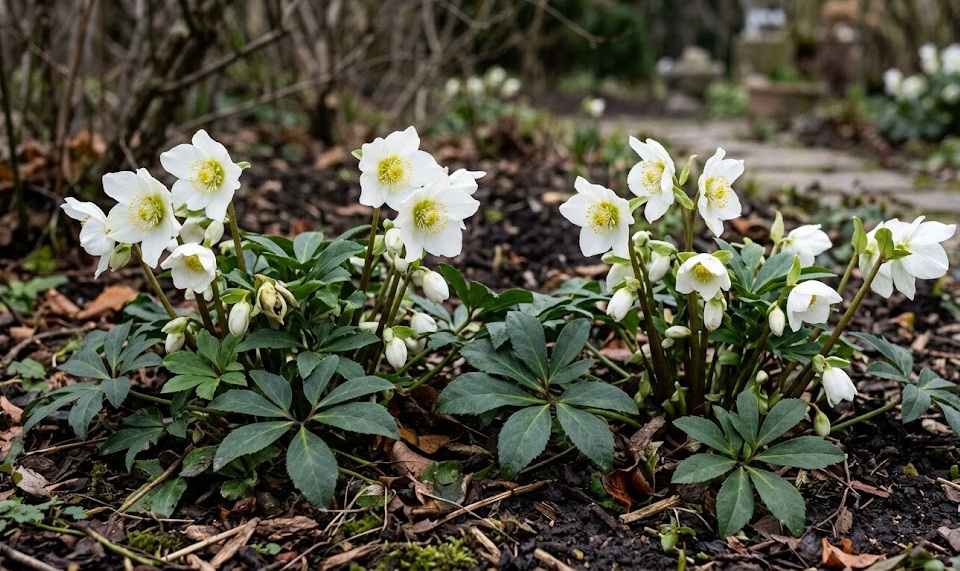
The most important pruning task for any hellebore enthusiast happens in late winter or very early spring, just as the new flower buds are starting to push up from the center of the crown. At this point, the leathery leaves from the previous year often look quite tattered, having endured months of summer heat and winter frost. Professional gardeners make it a habit to cut all of these old leaves off right at the base of the stem. This “clean slate” approach ensures that the pristine white flowers are fully visible and not buried under a mass of messy, spotted foliage.
When you perform this late-winter cleanup, be extremely careful not to accidentally snip off the emerging flower stalks. These stalks are often nestled deep within the base of the old leaves and can be quite delicate when they first appear. Use a sharp, thin-bladed pair of pruners that can get into tight spaces without causing damage to the surrounding tissue. Cutting the old stems as close to the soil as possible will give the plant a much neater appearance and prevent “stubs” from rotting later in the season.
Removing the old leaves also serves a vital sanitary function by getting rid of the spores of hellebore black spot, which overwinter on the foliage. By clearing away this old material before the new growth fully expands, you are significantly reducing the chances of the disease spreading to the fresh leaves. This is a simple but incredibly effective way to maintain a healthy garden without the use of chemical sprays. Once the old leaves are removed, you can either compost them (if they are healthy) or dispose of them in the bin if they show signs of disease.
More articles on this topic
As the flowers finish their display and the spring temperatures begin to rise, the plant will quickly produce a fresh flush of lush, green foliage. This new growth is what will provide the energy for next year’s flowers, so it is important to protect it during the spring and summer. You don’t need to do any more major pruning until the following winter, although you should always remove any individual leaves that become broken or badly damaged during the year. This minimal-intervention approach is perfectly suited to the plant’s slow and steady nature.
After-bloom care and deadheading techniques
Once the spectacular white blossoms of the black hellebore begin to fade, they often take on a greenish or pinkish hue, which can be quite attractive in its own right. Many gardeners choose to leave the flower stalks on the plant for several weeks to enjoy this secondary phase of the display. However, if you don’t want the plant to spend its energy producing seeds, you should “deadhead” it by cutting the flower stalks back to the base once the petals start to look papery and dry. This encourages the plant to put all its resources into building a strong root system and healthy new leaves.
If you are hoping for self-seeded babies to appear around the parent plant, you should leave a few of the strongest flower stalks in place until the seed pods have turned brown and split open. Once the seeds have dropped, you can then remove the stalks to tidy up the clump. Keep in mind that producing seeds is a demanding process, so you might only want to do this every few years or on a few selected plants. A professional approach involves balancing the desire for new plants with the overall health and vigor of the existing ones.
When cutting back the flower stalks, follow the same rule as with the leaves: cut as low as possible without damaging the crown. If the stalks are particularly thick, you might need a slightly heavier pair of bypass pruners to get a clean cut. Avoid “tearing” the stems, as this creates jagged wounds that are more likely to become infected by mold or rot. A clean, sharp cut heals quickly and keeps the plant’s internal systems protected from the elements and pests.
More articles on this topic
After the pruning is finished, it is often a good idea to give the plant a light top-dressing of organic compost or leaf mold. This replenishes the nutrients in the soil and helps to protect the newly exposed crown from drying out. This small act of “aftercare” shows the human side of gardening, where we give back to the plants that have provided us with so much winter joy. By following this simple annual routine, you ensure that your black hellebores remain a highlight of your garden for many decades.
Tool sanitation and gardener safety
One of the most overlooked aspects of professional pruning is the regular sanitation of tools, which is especially important for hellebores. Because these plants are susceptible to several viral and fungal diseases, you can easily spread an infection from one clump to another on the blades of your pruners. Make it a habit to wipe your tools with a cloth soaked in rubbing alcohol or a 10% bleach solution between each plant. This simple extra step is one of the hallmarks of an expert horticulturalist who truly cares about the health of their entire garden.
Keeping your blades sharp is also essential for both the health of the plant and your own ease of work. A dull blade will crush the stems rather than cutting them, leading to slow healing and an increased risk of disease. Most high-quality pruners can be easily sharpened with a small diamond file or a whetstone in just a few minutes. If you find yourself struggling to make a cut, it is a clear sign that it is time to take a break and refresh your tools.
From a gardener’s perspective, it is important to be aware that all parts of the black hellebore are toxic if ingested, and the sap can sometimes cause skin irritation for sensitive individuals. Wearing a pair of sturdy garden gloves while pruning is a professional safety standard that protects your hands from both the sap and any stray thorns from nearby companion plants. If you do get sap on your skin, simply wash it off with warm soapy water as soon as possible. This practical advice ensures that your time in the garden remains a safe and pleasant experience.
Finally, remember that pruning is an art as much as a science, and every plant will have its own unique needs. Some years the foliage might stay remarkably clean, requiring very little cleanup, while other years a wet autumn might make more intervention necessary. Stay observant and let the plant guide your actions rather than strictly following a calendar. With a bit of practice and a professional mindset, you will find that pruning your Christmas roses is one of the most rewarding and relaxing tasks in the winter garden.