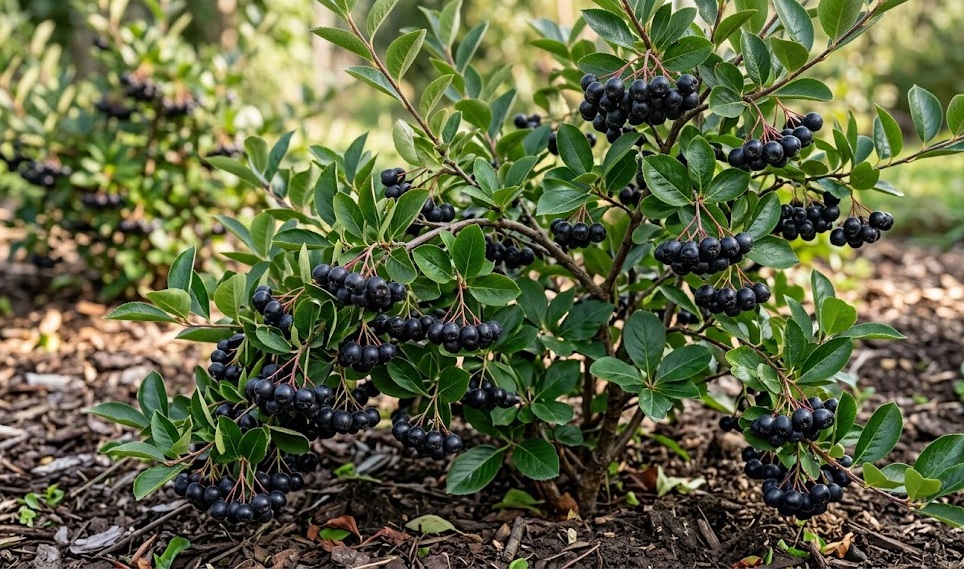

Mastering the art of pruning is essential for anyone who wants to maintain a productive and healthy berry plantation over the long term. While the black chokeberry is a naturally graceful shrub, it requires regular intervention to stay vigorous and produce the highest quality fruit. Professional pruning involves more than just cutting away branches; it is a strategic process of renewal that encourages the growth of young, productive wood. By understanding the growth habits of the plant, you can ensure that your shrubs remain a beautiful and functional part of your landscape for decades.
Pruning serves several vital purposes, from improving air circulation and light penetration to controlling the overall size and shape of the bush. You should recognize that as a shrub matures, the older branches eventually become less efficient at producing berries and more susceptible to pests and diseases. Removing a portion of these aging stems every year allows the plant to redirect its energy into fresh, new shoots that will carry the next generation of fruit. This constant cycle of renewal is the secret to a long-lived and high-yielding berry patch that stays healthy year after year.
A humanized approach to pruning means taking the time to study each individual plant before you make your first cut. You should look at the natural architecture of the bush and decide which branches are contributing to its health and which are simply in the way. Professional gardening is a dialogue between the grower and the plant, where every action is taken with a clear purpose and a respect for the natural form. Using high-quality, sharp tools makes the work easier and ensures that the plant can heal quickly and return to its growth.
Consistency is the key to successful pruning, as small, regular interventions are much better for the plant than occasional, drastic removals. You should develop a seasonal routine that includes both light maintenance and more significant structural work at the appropriate times of the year. By staying on top of the growth of your shrubs, you prevent them from becoming overgrown and difficult to manage. This dedication to regular care is what defines an expert and ensures a harvest that is both bountiful and of the highest possible professional quality.
Determining the right time
Timing is everything when it comes to pruning, as cutting at the wrong time can lead to a loss of fruit or an increase in disease susceptibility. You should perform your primary structural pruning during the late winter or very early spring while the plant is still in its dormant state. During this window, you can see the branch structure clearly without the distraction of leaves, making it easier to identify which stems need to be removed. Pruning while dormant also minimizes the stress on the plant and reduces the risk of attracting pests that are active during the warmer months.
More articles on this topic
If you are looking to thin out the canopy or remove damaged wood, you can do this light maintenance throughout the growing season as needed. You should, however, avoid heavy pruning in the late summer or autumn, as this can stimulate new growth that will not have time to harden off before the winter frost. This tender growth is very vulnerable to the cold and can lead to significant dieback if the winter is particularly harsh. Sticking to the natural rhythm of the plant’s cycle ensures the best results for both the health and the productivity of the shrub.
For rejuvenation pruning, which involves cutting back an overgrown shrub to its base, late winter is once again the preferred time for action. You should recognize that this is a drastic measure that will lead to a temporary loss of fruit but will result in a much healthier and more vigorous plant in the future. The powerful root system of an established chokeberry can support rapid regrowth from the crown, often producing a completely new bush within a few seasons. Knowing when to be bold and when to be gentle is part of the expertise you develop over time.
Observing the bloom and fruit cycles of your specific varieties will help you fine-tune your pruning schedule for maximum efficiency. You should take note of which branches are producing the best berries and at what age they begin to decline in productivity. This localized knowledge is far more valuable than general advice and allows you to tailor your management to the specific needs of your garden. A professional grower is always learning from their plants and adapting their techniques to achieve the best possible outcomes every year.
Essential pruning cuts
The most common type of pruning for this species is known as thinning, which involves removing entire branches back to their point of origin or to the main stem. You should focus on removing the oldest, thickest stems that have become dark and barky, as these are no longer the most productive parts of the plant. By taking out about one-fifth to one-third of the oldest wood every year, you maintain a constant cycle of renewal without stressing the shrub too much. This practice keeps the interior of the bush open to light and air, which is vital for preventing disease.
More articles on this topic
Heading cuts, which involve shortening a branch back to a healthy bud, can be used to control the height of the shrub or to encourage more lateral growth. You should use these cuts sparingly, as they can lead to a “brooming” effect where many small, weak stems sprout from the site of the cut. If a branch has become too long and is starting to sag under the weight of its fruit, a strategic heading cut can help to restore its structural integrity. Always make your cuts at a slight angle away from the bud to allow water to run off and prevent rot.
Removing any dead, damaged, or diseased wood should be your first priority every time you step into the garden with your shears. You should look for any stems that show signs of canker, chewing damage, or those that have been broken by wind or snow. Cutting these back to healthy, green wood prevents the problem from spreading further into the plant and improves the overall appearance of the shrub. Cleanliness in your pruning is a professional habit that directly contributes to the long-term success of your berry plantation.
Always ensure that your tools are sharp and well-maintained to produce clean cuts that heal quickly and cleanly. You should use bypass pruners for smaller stems and loppers or a pruning saw for the thicker, older wood at the base of the plant. Crushing the stem with dull blades creates a ragged wound that is much more likely to become infected by fungal spores or bacteria. A professional gardener takes pride in their equipment and recognizes that the quality of the tool is reflected in the health of the plant.
Maintaining bush structure
The ideal shape for a productive black chokeberry shrub is a multi-stemmed bush that is wider at the base than it is at the top. You should aim for a structure that allows every part of the plant to receive adequate sunlight, which is the key to even ripening of the berries. If the top of the bush becomes too dense and wide, it will shade out the lower branches, leading to a loss of productivity in the interior. Maintaining this “inverted cone” or upright vase shape is a strategic goal for every professional grower.
Suckers are the new shoots that emerge from the ground around the base of the plant, and they are the primary source of renewal for the shrub. You should select the strongest and best-positioned suckers to become the next generation of productive stems while removing the weaker or poorly placed ones. This process of selective recruitment ensures that the bush remains vigorous and that the stems are spaced out enough to allow for good air circulation. Managing suckers is a continuous task that requires a keen eye and a clear plan for the future of the plant.
Crossing or rubbing branches should be removed as soon as they are noticed to prevent mechanical damage to the bark. You should recognize that constant friction between two stems creates a wound that is a perfect entry point for opportunistic diseases and pests. By thinning out the canopy and ensuring that each branch has its own space, you create a more resilient and healthy environment for the berries to grow. A well-structured shrub is a sign of an expert who understands the physical and biological needs of their plants.
Final thoughts on pruning involve a commitment to observing the natural growth habits of the species and working in harmony with them. You should remember that the goal of pruning is to support the plant’s natural desire to grow and reproduce, rather than to force it into an unnatural shape. By providing a stable and renewed structure, you allow the black chokeberry to display its full potential for beauty and productivity. This thoughtful and professional approach to maintenance is what makes gardening such a rewarding and lifelong pursuit for so many people.