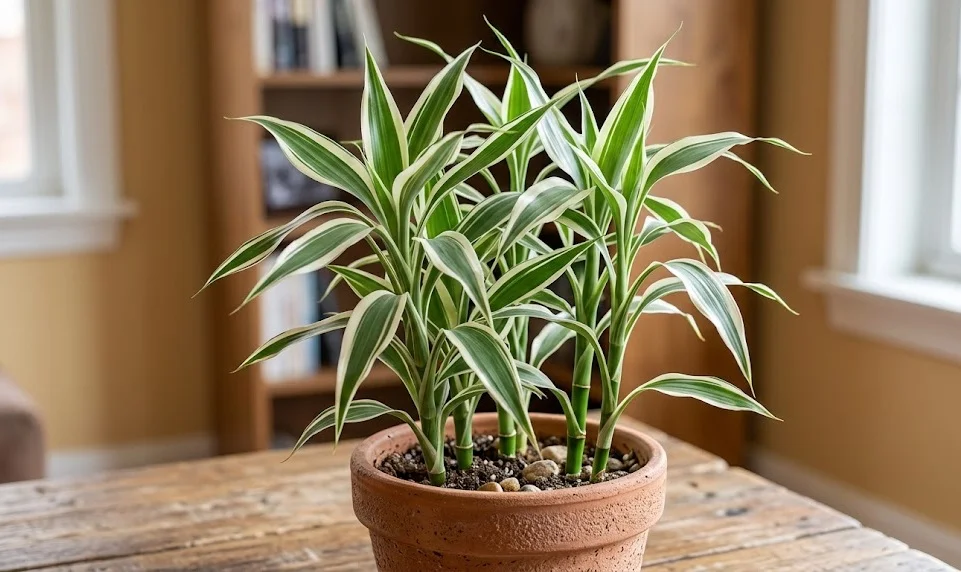

Light is the primary source of energy for all plants, and for a variegated species like the white-edged dragon tree, it is the most important factor in maintaining its beauty. The striking contrast between the deep green center and the crisp white borders is entirely dependent on receiving the correct amount of light. Without enough energy from the sun, the plant will slowly lose its variegation and its growth will become weak and unattractive. Understanding how to manage light in your home is the most effective way to ensure your dragon tree remains a healthy and vibrant focal point in your decor.
In their natural habitat, these plants grow under the canopy of larger trees, where they receive dappled or filtered sunlight throughout the day. This means they are not designed to handle the intense, direct rays of the sun, which can easily scorch their delicate foliage. However, they also cannot thrive in the dark corners of a room where many people mistakenly place them. Finding that “sweet spot” of bright, indirect light is the key to professional-level care for this particular species.
The amount of light a plant receives also dictates how quickly it uses water and nutrients, making it a central part of your overall care routine. A plant in a bright location will grow faster and require more frequent watering than one kept in a dimmer spot. As a gardener, you must learn to balance these different factors to create a stable and healthy environment for your tropical companions. Light levels also change with the seasons, requiring you to adjust your plant’s position as the sun’s path across the sky shifts throughout the year.
This article will explain the specific light needs of the white-edged dragon tree and how you can provide the ideal conditions in your own home. We will discuss how to identify the signs of both too much and too little light and what steps you can take to correct these issues. You will also learn about the benefits of artificial lighting and how to use it effectively to support your plant’s growth. By mastering the science of light, you will be able to keep your dragon tree looking its absolute best in any room of your house.
Finding the ideal location for bright indirect light
The best place for a white-edged dragon tree is usually near an east-facing or north-facing window where it can receive gentle morning light. These locations provide a consistent source of brightness without the intense heat and UV rays of the afternoon sun. If you only have a south or west-facing window, you can still keep your plant there if you use a sheer curtain to filter the light. This creates the dappled effect that the plant is naturally adapted to and prevents any risk of leaf burn or dehydration.
More articles on this topic
You should aim to place the plant within a few feet of the light source, as light intensity drops off very quickly as you move further into a room. A spot that looks bright to our eyes may actually be quite dim for a plant that is trying to photosynthesize and create energy. If you notice that your dragon tree is starting to lean toward the window, it is a clear sign that it is reaching for more light. Rotating the pot regularly will help ensure that all sides of the plant receive an equal amount of energy and grow evenly.
Variegated plants like this one have less chlorophyll than solid green varieties because the white parts of the leaves cannot produce energy. This means they actually need slightly more light than their non-variegated cousins to maintain the same level of health and growth. If the light is too low, the plant may respond by producing more green in its new leaves to maximize its energy production. To keep those beautiful white edges sharp and clear, you must provide a consistently bright environment that meets the plant’s unique needs.
In modern homes, artificial lighting can also play a major role in providing the light your plants need to thrive. If you have a room with no windows or very little natural light, you can use specialized LED grow lights to supplement the environment. These lights are designed to provide the specific spectrum of light that plants need for photosynthesis without generating excessive heat. Using a timer to provide twelve to fourteen hours of light each day can keep your dragon tree healthy even in the darkest corners of your home.
Recognizing and correcting light-related stress
If your dragon tree is receiving too much direct sunlight, you will quickly notice signs of leaf scorch or sun damage. This usually appears as bleached, white, or brown patches on the leaves that feel dry and brittle to the touch. The variegated white edges are particularly sensitive to high light and are often the first parts of the plant to show signs of burning. If you see this happening, move the plant further away from the window immediately or provide better shading to protect the foliage from the harsh rays.
More articles on this topic
On the other hand, a lack of light also produces distinct symptoms that you can learn to recognize and address. The most common sign is “legginess,” where the stem grows quickly with large gaps between the leaves as it reaches toward the nearest light source. You may also notice that the new leaves are much smaller than the older ones and that the white variegation is becoming less prominent. While the plant can survive in low light for a while, it will eventually become weak and more susceptible to pests and diseases.
Correcting a low-light situation is usually as simple as moving the plant to a brighter location or adding a supplemental light source. However, you should avoid moving the plant from a very dark spot to a very bright one all at once, as this can cause shock. Instead, gradually increase the light exposure over a period of a week or two to allow the plant to adjust its internal processes. This careful approach prevents the leaves from becoming overwhelmed and ensures a smooth transition to a healthier environment.
Sometimes, the orientation of your home or the presence of large trees outside can make it difficult to find enough light for your plants. In these cases, you might consider using mirrors to reflect more light into the room or painting your walls a light color to increase the overall brightness. Professional interior landscapers often use these tricks to make a space feel brighter for both people and plants. Being creative with your light management will allow you to grow a wider variety of plants even in challenging indoor conditions.
Seasonal changes and long-term light management
As the seasons change, the intensity and duration of natural light in your home will also shift significantly. During the summer, the sun is higher and stronger, which might mean you need to move your plant further away from the window to prevent burning. In the winter, the sun is lower and the days are much shorter, requiring you to move the plant closer to the light source to compensate. A professional gardener remains aware of these shifts and proactively adjusts their plant’s position to maintain a stable environment.
You should also be aware of how the growth of the plant itself can affect its light requirements over time. As the dragon tree grows taller, the top leaves may begin to shade the lower ones, leading to leaf drop near the base of the stem. This is a natural process, but you can minimize it by ensuring that light reaches all parts of the plant as much as possible. Pruning or thinning the canopy can sometimes help, as can the use of supplemental lighting positioned at different heights around the room.
The quality of the light is just as important as the quantity, and you should ensure your windows are clean to allow as much light as possible to pass through. Dust and grime on the glass can reduce the light intensity by as much as twenty percent, which can be a significant loss during the dark winter months. Similarly, keeping the leaves of your dragon tree clean ensures that they can function at their maximum efficiency. This simple maintenance task is often overlooked but is a vital part of a professional and successful light management strategy.
In conclusion, light is the most dynamic and influential part of your dragon tree’s environment, and mastering it will lead to spectacular results. By observing your plant’s reactions and making small adjustments throughout the year, you can maintain that perfect balance of growth and beauty. Your white-edged dragon tree will reward your efforts with strong stems, vibrant foliage, and a healthy lifespan that brings joy to your home. With the right light, your indoor garden will truly shine and become a testament to your skills as a professional plant enthusiast.