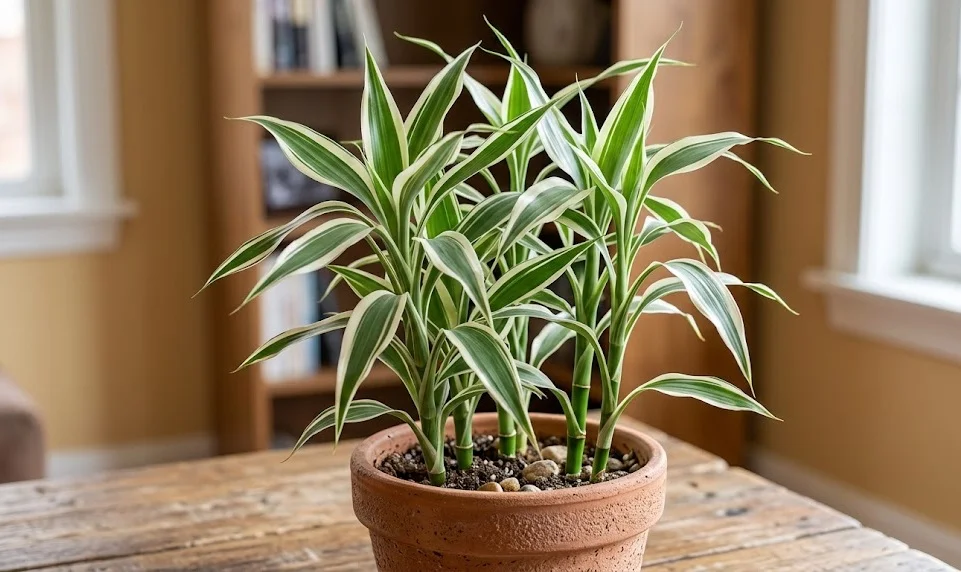

The white-edged dragon tree is one of the most resilient and aesthetically pleasing houseplants that you can choose for your indoor garden. This plant is well known for its striking variegated leaves that feature a beautiful white or cream border against a deep green center. Many homeowners appreciate how easily it adapts to different environments while maintaining its structural elegance and vibrant appearance throughout the year. Understanding the fundamental needs of this tropical species is the first step toward ensuring it thrives in your personal living space.
It requires a specific balance of light and moisture to keep its foliage looking healthy and prevent the tips from browning. When you bring one home, you should take the time to find a spot where it can remain undisturbed for a long period. These plants do not enjoy frequent changes in their environment, as they prefer a stable microclimate to develop their root systems properly. A professional approach to its care involves monitoring the soil regularly and observing the color of the leaves for any subtle changes.
The structural growth of this variety makes it a perfect choice for corners or as a focal point on a sturdy plant stand. You will notice that it grows relatively slowly, which means you do not have to worry about it outgrowing its space too quickly. Its upright habit allows it to fit into narrow spaces where other spreading plants might struggle to find enough room. By providing consistent care, you are investing in a long-term companion that will improve the air quality of your home.
In the world of professional horticulture, this plant is often praised for its ability to withstand some neglect, though it truly shines when given proper attention. You should always aim to replicate its natural habitat by keeping the air somewhat humid and the temperature consistently warm. Cold drafts or sudden temperature drops can cause significant stress to the plant, leading to leaf drop or stunted growth. Learning these basic principles will set a solid foundation for more advanced gardening techniques later on.
Creating the ideal indoor environment
The temperature of your home plays a vital role in the health of your dragon tree since it originates from tropical regions. It generally prefers temperatures between eighteen and twenty-four degrees Celsius to maintain its metabolic processes at an optimal level. You should avoid placing it near air conditioning vents or heaters that could cause the air to become excessively dry or cold. Maintaining a stable thermal environment will prevent the leaves from curling or developing unsightly brown patches over time.
More articles on this topic
Humidity is another crucial factor that many gardeners overlook when caring for variegated foliage plants like this one. While it can tolerate average indoor humidity, it will look much more vibrant if you provide a slightly more humid atmosphere. You can achieve this by placing a tray filled with pebbles and water beneath the pot to create a localized humid zone. Grouping several plants together also helps because they naturally release moisture through their leaves in a process known as transpiration.
Air circulation is important but it must be managed carefully to avoid creating a direct draft that might dry out the delicate leaf margins. A gentle movement of air prevents the buildup of stagnant pockets where pests like spider mites might decide to take up residence. You should ensure that your room is well-ventilated without exposing the plant to the harsh winds that come from an open window in winter. Professionals often suggest using a small fan on a low setting if the room feels particularly stuffy or humid.
Finally, you must consider the stability of the plant’s location to prevent it from being knocked over or disturbed by pets and children. The long, slender stems can be somewhat fragile if they are subjected to physical impact or sudden movements. Choosing a permanent spot where the light is consistent and the traffic is low will allow the plant to focus its energy on growth. Once the plant feels settled, you will see a more regular emergence of new leaves from the central growing point.
Substrate and potting requirements
Choosing the right potting mix is essential because the roots need a balance of moisture retention and excellent drainage to survive. You should look for a high-quality peat-based or coco coir-based compost that provides a loose structure for the roots to expand. Adding a handful of perlite or coarse sand to the mix can significantly improve the aeration within the soil profile. This ensures that oxygen can reach the roots, which is vital for preventing the onset of anaerobic conditions and rot.
More articles on this topic
The container you choose must have adequate drainage holes at the bottom to allow excess water to escape freely after every watering session. Using a decorative pot without holes is a common mistake that leads to water accumulating at the bottom, which quickly kills the plant. If you want to use a specific decorative container, simply keep the plant in its plastic nursery pot and place that inside the larger vessel. This allows you to remove the inner pot for watering and ensures that no standing water remains in contact with the roots.
Repotting is usually necessary every two to three years as the plant becomes root-bound and the soil begins to lose its nutritional value. You will know it is time for a larger home when you see roots growing through the drainage holes or if the water runs straight through without being absorbed. Always choose a new pot that is only one or two sizes larger than the current one to avoid over-potting. Using a container that is too large can lead to the soil staying wet for too long, which is a major risk for this species.
When you are actually performing the repotting process, be sure to handle the root ball with extreme care to avoid breaking the delicate feeders. Gently loosen the outer roots with your fingers before placing the plant in its new container and filling the gaps with fresh soil. Press the soil down lightly to remove large air pockets, but do not pack it so tightly that the water cannot penetrate. A good initial watering after repotting will help settle the soil and reduce the shock experienced by the plant during the transition.
Humidity management techniques
Maintaining the right level of moisture in the air is often the secret to keeping those white leaf edges perfectly crisp and clean. If the air is too dry, you will quickly notice that the tips of the leaves begin to turn brown and brittle, which detracts from the plant’s beauty. Misting the leaves with a fine spray of distilled water can provide a temporary boost, though it is not a permanent solution for low humidity. It is better to rely on more consistent methods that provide a steady supply of moisture throughout the day and night.
Using a dedicated humidifier is the most effective way to manage the air quality in a room full of tropical plants during the dry winter months. These devices can be set to maintain a specific percentage of humidity, which takes the guesswork out of your daily gardening routine. If you do not have a humidifier, placing a large bowl of water near a radiator can also help increase the moisture content through evaporation. Consistency is key, as sudden fluctuations in humidity can lead to physiological stress and leaf drop.
Wiping the leaves with a damp cloth every few weeks serves a dual purpose for both cleanliness and humidity absorption. Not only does this remove dust that blocks sunlight, but it also allows the plant to take in a small amount of moisture through its stomata. You should use lukewarm water for this task to avoid shocking the plant with cold temperatures, which can cause leaf spotting. Many experts recommend using filtered water to avoid leaving mineral deposits on the variegated parts of the foliage.
If you find that the air in your home is exceptionally dry, you might consider creating a terrarium-like environment or using a glass cabinet for your smaller specimens. This enclosed space traps moisture and creates a self-sustaining cycle that requires much less intervention from the gardener. For larger plants, grouping them with other moisture-loving species like ferns can create a miniature jungle effect that benefits all the inhabitants. Observing the health of the leaf tips will tell you exactly whether your humidity management strategies are working effectively.
Leaf maintenance and cleaning
The broad and elegant leaves of the dragon tree act as natural air filters, but they can only function properly if they are kept clean. Over time, a layer of dust will inevitably settle on the surface, which reduces the plant’s ability to photosynthesize and breathe. You should make it a habit to inspect the leaves once a week and gently wipe away any visible debris with a soft, dry microfiber cloth. This simple routine not only keeps the plant looking its best but also allows you to check for any signs of pests or disease.
For a deeper clean, you can use a mixture of mild soap and water, but you must be careful not to use any harsh chemicals or leaf shine products. Many commercial leaf shine sprays contain oils that can clog the pores of the plant and lead to long-term health issues. Natural methods are always safer, such as using a very diluted solution of lemon juice to remove hard water spots from the foliage. Always support the leaf from underneath with your hand while wiping the top surface to prevent any accidental tearing or snapping.
Regularly removing any yellowing or dead leaves from the bottom of the stem will keep the plant looking tidy and prevent the spread of decay. It is perfectly normal for older leaves to die off as the plant grows taller and focuses its energy on new growth at the top. You can simply pull these leaves downward until they snap off cleanly at the base of the trunk without damaging the main stem. This process also improves air circulation around the base of the plant, which is important for preventing fungal issues.
If you notice that the white edges of the leaves are starting to turn brown, it is often a sign of mineral buildup or low humidity. While you cannot reverse the browning, you can carefully trim the dead tips with sharp, sterilized scissors to restore the plant’s appearance. Be sure to leave a tiny sliver of the brown edge behind so that you do not cut into the healthy green tissue, which could cause further dieback. Proper maintenance ensures that your dragon tree remains a vibrant and healthy addition to your indoor landscape for many years.
Long-term growth habits and support
As the dragon tree matures, it develops a woody trunk that can grow several feet tall in the right indoor conditions. You will notice that the lower part of the stem becomes bare as the plant sheds its older leaves, giving it a palm-like appearance. This is its natural growth habit, and it can be quite striking when the plant is used as a floor specimen in a large room. You can encourage a fuller look by growing multiple stems of different heights in the same pot to create a layered effect.
Sometimes the stems can become top-heavy or start to lean toward the light source as they grow taller over time. To keep the plant growing straight, you should rotate the pot by a quarter turn every time you water it so that all sides receive equal exposure. If a stem becomes too weak to support itself, you can use a bamboo stake and soft garden ties to provide the necessary structure. Make sure the ties are loose enough that they do not constrict the stem as it expands in diameter during its growth cycles.
You might find that your plant eventually reaches the ceiling or becomes too lanky for its current position in your home. In such cases, you can use pruning techniques to manage its height and encourage the development of side branches for a bushier look. Cutting the main stem will stimulate dormant buds located below the cut to sprout new growth, which can transform the plant’s silhouette. This is a common practice among professional decorators who want to maintain a specific aesthetic for their interior landscaping projects.
Monitoring the growth rate of your dragon tree will give you valuable insights into its overall health and the suitability of its environment. A healthy plant should produce a few new leaves every month during the active growing season in spring and summer. If you notice that growth has completely stopped for an extended period, it may be time to reassess your watering or fertilizing routine. With patience and consistent care, your dragon tree will eventually become a majestic and permanent fixture in your home environment.
Professional troubleshooting for common issues
One of the most frequent problems gardeners face is the appearance of brown leaf tips, which can be caused by several different environmental factors. Usually, this is a reaction to fluoride or chlorine found in tap water, which the plant is particularly sensitive to. You can resolve this issue by using rainwater or distilled water, or by letting tap water sit out overnight before using it. If the browning is accompanied by yellowing, it might indicate that the soil is staying wet for too long between waterings.
If you notice that the leaves are becoming pale or losing their vibrant green and white contrast, the plant might not be getting enough light. Variegated plants generally require more light than their solid green counterparts because the white parts of the leaves do not contain chlorophyll. Moving the plant closer to a bright window will often restore its color, but be careful not to place it in direct sunlight which can scorch the leaves. Finding the perfect balance of brightness is key to maintaining the high-contrast look that makes this species so desirable.
Sudden leaf drop is often a sign of temperature shock or a significant change in the plant’s immediate environment. If you have recently moved the plant or if there has been a sudden cold snap, it may lose several leaves as it tries to protect its core systems. Ensure that the plant is away from any cold drafts and keep the soil slightly drier until you see signs of new growth emerging. It is important not to panic and overwater the plant during this sensitive time, as that will only make the situation worse.
Finally, keep a close eye out for any small webs or sticky residue on the leaves, which could indicate a pest infestation. Spider mites and mealybugs are the most common visitors, and they can quickly weaken the plant if they are not dealt with promptly. You can treat these pests by washing the leaves with a solution of neem oil or insecticidal soap, making sure to reach the undersides of the leaves. Regular inspection and early intervention are the hallmarks of a professional gardener and will keep your dragon tree healthy and thriving.