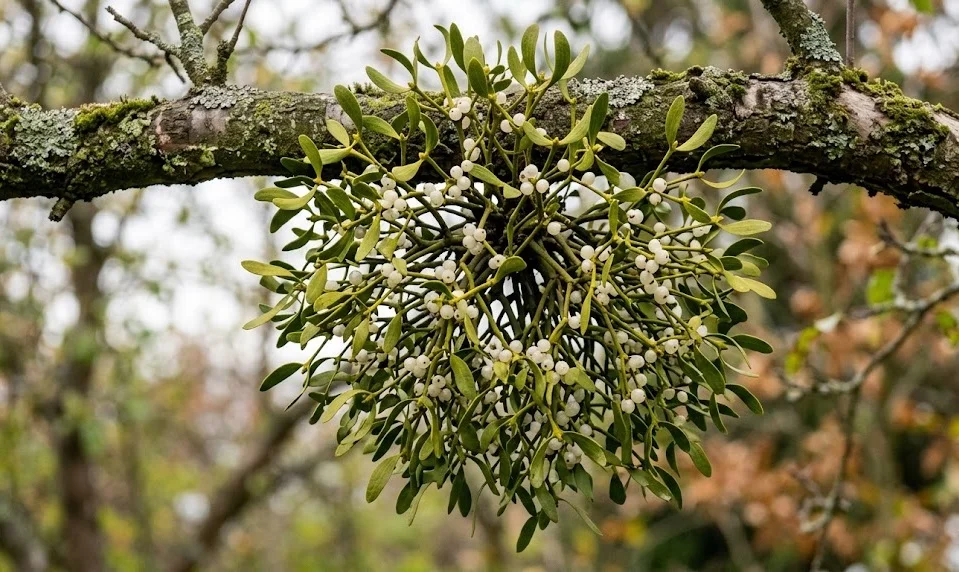

While white mistletoe is often seen as a hardy and resilient plant, it is susceptible to a variety of specialized diseases and pests. Because it lives as a parasite, its health is inextricably linked to the well-being of its host tree, but it also faces its own unique biological threats. Maintaining a healthy clump requires the ability to distinguish between issues originating from the host and those directly attacking the mistletoe itself. A professional approach to pest management ensures that the mistletoe remains a decorative asset rather than a source of infection for the rest of the garden.
Identifying common fungal infections
Fungal pathogens are among the most common issues affecting the foliage and stems of white mistletoe. One of the most recognizable problems is a type of leaf spot that causes dark, circular lesions to appear on the leathery green surfaces. These spots can eventually merge, causing the leaves to turn yellow and drop prematurely. This is often triggered by excessively humid conditions or a lack of airflow within the host tree’s canopy.
Another serious fungal threat is the development of cankers at the site where the mistletoe connects to the host branch. These cankers can disrupt the flow of nutrients and water, eventually leading to the death of the entire mistletoe clump. You might notice a darkening of the tissue or a slight oozing of sap at the base of the plant. If left untreated, the fungus can also spread into the host tree’s vascular system, causing further structural damage.
Sooty mold is another common sight on mistletoe, though it is usually a secondary problem. This black, powdery substance grows on the sticky honeydew secreted by aphids or scale insects. While the mold itself doesn’t feed on the plant, it can block sunlight and reduce the efficiency of photosynthesis. Cleaning the leaves and controlling the underlying insect population is the best way to manage this unsightly issue.
To prevent fungal outbreaks, it is essential to maintain a clean garden environment and ensure the host tree is not overcrowded. Pruning away dead or infected parts of the mistletoe with sterilized tools can stop the spread of spores. If a clump becomes heavily diseased, it may be better to remove it entirely to protect the health of the host tree and neighboring plants. Professional gardeners always prioritize prevention through good cultural practices and regular inspections.
More articles on this topic
Insect pests targeting the mistletoe structure
Several specialized insects have evolved to feed specifically on mistletoe, often flying under the radar of general garden surveys. The mistletoe marble moth is a prime example, as its larvae mine through the succulent leaves, leaving behind distinctive brown trails. While a few larvae won’t kill a large plant, a heavy infestation can severely disfigure the foliage. Monitoring for these tiny caterpillars in the spring is key to preventing widespread damage.
Scale insects are another frequent pest that can be found huddled along the stems and the undersides of mistletoe leaves. These small, armored insects suck the sap directly from the plant, weakening it over time and causing stunted growth. Because they are often the same color as the bark or leaves, they can be very difficult to spot until the population is large. A sticky residue on the leaves is often the first sign that scale insects are present.
Aphids also find the young, tender shoots of mistletoe particularly attractive during the spring growth flush. These pests reproduce rapidly and can cause the new leaves to curl and become misshapen. They also attract ants and encourage the growth of sooty mold, as mentioned previously. A strong blast of water or the use of insecticidal soap can usually keep aphid populations under control without harming the host tree.
Birds, while usually beneficial for seed dispersal, can sometimes act as “pests” by over-foraging on the berries or damaging the stems. In some regions, large populations of birds might strip a mistletoe clump of all its fruit before it can be enjoyed for its winter aesthetic. While this is a natural process, it can be disappointing for the gardener. Providing alternative food sources for birds can sometimes help take the pressure off your prized mistletoe plants.
More articles on this topic
The relationship between host stress and pest vulnerability
A fundamental principle of mistletoe care is that a stressed host tree is more likely to support a diseased or pest-ridden parasite. When a tree is weakened by drought, poor soil, or other diseases, its ability to produce defensive chemicals is significantly reduced. This lack of resistance often extends to the mistletoe, making it an easy target for opportunistic infections. Therefore, keeping the host tree in peak condition is the best defense against mistletoe pests.
In some cases, the mistletoe itself can be the cause of the host’s stress, creating a downward spiral of health. If the mistletoe load is too high, the tree may struggle to provide enough nutrients for its own defenses against wood-boring beetles or root rot. This weakened state then makes the mistletoe more susceptible to its own specialized pests. A professional gardener knows when to thin out mistletoe clumps to break this cycle and restore balance.
Environmental stressors like extreme frost or sudden heat waves can also create entry points for pathogens. Rapid temperature changes can cause small cracks in the leathery leaves or the woody base of the mistletoe. These micro-wounds are the perfect site for fungal spores to settle and begin an infection. Monitoring the plants closely after extreme weather events allows for early intervention before a small problem becomes a major outbreak.
The proximity of other infected trees in the neighborhood can also increase the pest pressure on your garden. Some mistletoe-specific insects and fungi can travel significant distances on the wind or via bird movement. Maintaining a diverse garden with various plant species can help create a buffer zone that slows the spread of these specialists. Being aware of the health of the broader local ecosystem is part of a professional management strategy.
Integrated management of parasitic health
Managing the health of white mistletoe requires an integrated approach that combines cultural, mechanical, and sometimes chemical controls. The first line of defense is always the manual removal of heavily infested or dead portions of the plant. This simple act of sanitation can drastically reduce the number of pests and pathogens present in the canopy. Using sharp, clean pruning shears ensures that the wounds heal quickly and do not become new infection sites.
Biological controls can also play a role in a professional management plan. Encouraging natural predators like ladybugs, lacewings, and parasitic wasps can help keep aphid and scale populations in check. A garden that is friendly to beneficial insects is far less likely to suffer from devastating pest outbreaks. This ecological approach is often more effective and sustainable than relying solely on chemical treatments.
If chemical intervention is necessary, it must be done with extreme care to avoid harming the host tree or the surrounding environment. Many systemic insecticides can travel from the tree into the mistletoe, which can be a double-edged sword. It is crucial to select products that are labeled for use on the specific host tree and to apply them at the correct time of year. Consulting with a professional arborist is highly recommended before applying any potent chemicals to the canopy.
Regular monitoring is the most important part of an integrated management strategy. By spending time observing the mistletoe throughout the seasons, you can catch problems while they are still manageable. Looking for changes in leaf color, the presence of unusual spots, or the activity of insects will give you the information you need to act. A proactive gardener is always one step ahead of the diseases and pests that threaten their collection.
Preventive measures against secondary infections
Preventing secondary infections starts with maintaining the structural integrity of the host-parasite union. Any mechanical damage to the branch where the mistletoe is attached should be monitored closely for signs of rot. If the host branch becomes compromised, it is often better to prune it back to a healthy lateral branch, even if it means losing the mistletoe clump. Protecting the “foundation” of the mistletoe is essential for its long-term health and safety.
Proper tool hygiene is a professional standard that cannot be overlooked when working with mistletoe. Fungal spores and bacteria can easily be transported from one plant to another on pruning saws and shears. Disinfecting your tools with rubbing alcohol or a mild bleach solution between every cut is a simple but powerful preventive measure. This practice is especially important if you are managing mistletoe across multiple trees in the same garden.
Winter is an excellent time to perform preventive checks, as the absence of the host tree’s leaves makes the mistletoe clumps much easier to see. You can clearly inspect the base of each plant for any signs of cankers or wood-boring insect holes. Removing any dead wood within the mistletoe clump during the dormant season will improve air circulation for the following spring. This “winter cleaning” is a key part of maintaining a professional horticultural display.
Finally, ensuring that the host tree is not over-watered or over-fertilized can prevent the kind of soft, weak growth that pathogens love. A balanced approach to care creates a tougher, more resilient plant that can withstand minor pest pressures. By fostering a strong and stable relationship between the host and the parasite, you create an environment where diseases struggle to take hold. Prevention is always easier and more effective than a cure in the world of specialized gardening.