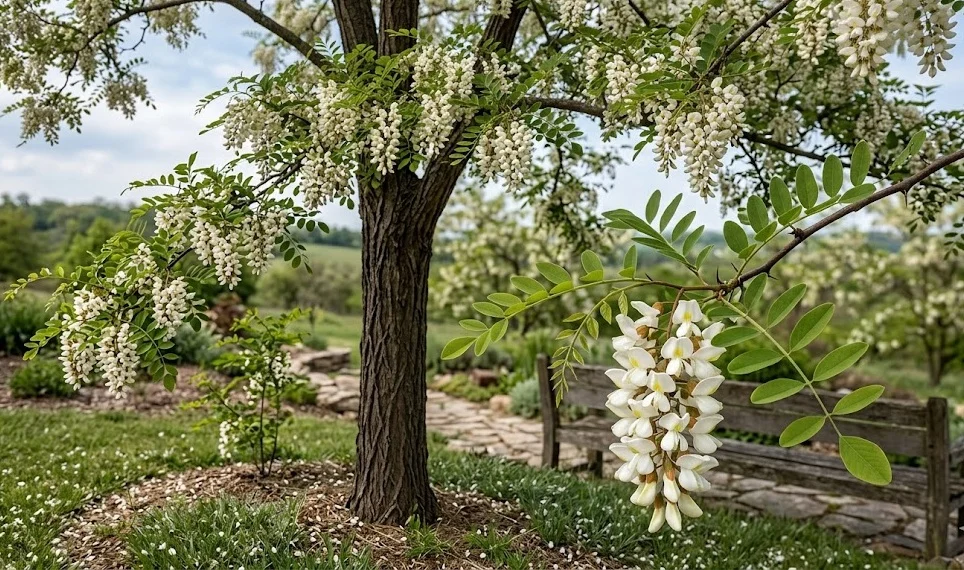

The black locust is a remarkably hardy tree that can survive significant freezing temperatures once it reaches maturity. It is typically rated for zones that experience quite cold winters, making it suitable for many northern climates. However, preparing the tree for the transition into winter is still a vital part of its annual maintenance cycle. Ensuring the tree is healthy and well-hydrated before the first hard freeze is the most important step you can take.
As the days grow shorter, the tree naturally begins to move nutrients from its leaves into its roots and trunk. You can support this process by avoiding any nitrogen-rich fertilization in the late summer or early autumn. Late-season fertilization can encourage new, tender growth that won’t have time to harden off before the cold arrives. This soft tissue is easily damaged by frost and can become an entry point for disease in the spring.
A final deep watering in late autumn is beneficial, especially if the season has been particularly dry. Even during dormancy, the tree’s roots need a baseline level of moisture to remain healthy and prevent desiccation. When the ground freezes, the tree can no longer take up water, so having a reservoir in the soil is crucial. This is particularly important for younger trees that haven’t yet developed a deep, extensive root system.
Cleaning up the area around the base of the tree helps reduce the risk of pests and diseases overwintering nearby. Remove any diseased leaves or fallen fruit that might harbor fungal spores or insect eggs. This simple act of garden hygiene can significantly reduce the pressure on the tree when it wakes up in the spring. A clean environment allows the tree to focus its energy on new growth rather than fighting off old infections.
Protecting young bark
Young black locust trees have relatively thin and sensitive bark that is vulnerable to a variety of winter hazards. One common issue is known as sunscald, which happens when the winter sun warms the bark during the day and it freezes rapidly at night. This rapid temperature fluctuation can cause the bark to crack or die, creating long-term structural problems for the tree. Protecting the south-facing side of the trunk can prevent this type of damage.
More articles on this topic
You can use white plastic tree guards or specialized tree wraps to reflect the sunlight and keep the bark at a more consistent temperature. These protective layers also serve as a barrier against hungry wildlife like rabbits and voles. During the winter, when other food sources are scarce, these animals often gnaw on the tender bark of young trees. If the bark is chewed all the way around the trunk, the tree will likely die.
Check the tree guards periodically throughout the winter to ensure they haven’t shifted or become too tight. A guard that is too tight can trap moisture against the bark, leading to rot or providing a home for pests. It is also important to remove these wraps in the early spring once the danger of hard freezes has passed. Allowing the bark to breathe and expand naturally is essential for the tree’s development during the growing season.
If you live in an area with high winds or heavy snow, you might also consider a physical screen for very small saplings. Burlap wrapped around stakes can provide a windbreak that reduces the drying effect of cold winter gales. This extra layer of protection is usually only necessary for the first one or two winters after planting. Once the tree is established, it will be more than capable of handling the elements on its own.
Winter dormancy care
During the winter, the black locust enters a state of deep dormancy where its metabolic activity is at a minimum. This is a natural and necessary rest period that allows the tree to survive the harsh conditions of the season. You will notice that the tree looks completely lifeless once it has dropped its leaves and the pods have turned brown. Do not be tempted to prune or fertilize during this time unless you have a specific structural goal in mind.
More articles on this topic
While the tree is dormant, it is still susceptible to mechanical damage from heavy ice or snow accumulation. If a major storm occurs, carefully brush off heavy snow from the branches of young trees using a soft broom. Avoid shaking the branches violently, as frozen wood is brittle and can snap much more easily than when it is warm. For larger, mature trees, it is usually best to let the snow melt naturally rather than risking injury to yourself or the tree.
Winter is an excellent time to inspect the overall structure of the tree while the branches are bare and visible. You can easily spot crossing branches, structural defects, or signs of old pest damage that were hidden by leaves. Making a mental or written note of these issues will help you plan your pruning strategy for late winter. Understanding the architecture of the tree is much easier when you can see the entire skeleton against the winter sky.
Avoid salt damage if your tree is planted near a road or a sidewalk that is frequently treated with de-icing chemicals. Salt can build up in the soil and dehydrate the roots, or damage the bark if it splashes directly onto the tree. If you suspect salt exposure, you can flush the soil with fresh water in the early spring once the ground thaws. Using salt-free alternatives for your own paths is a great way to protect your landscape’s health.
Spring recovery steps
As the temperatures begin to rise and the days get longer, the black locust will slowly start to wake from its winter sleep. You will see the buds begin to swell, which is a sign that the sap is moving once again. This is a good time to perform a final inspection for any winter kill or storm damage that may have occurred. Pruning out any dead or broken tips will help the tree direct its energy toward healthy new growth.
If you used tree wraps or guards, now is the time to remove them so the trunk can receive air and sunlight. Check the base of the tree for any signs of rodent damage that might have happened under the snow. If you find minor gnawing, the tree can often heal itself if the damage doesn’t go all the way around. Providing a bit of extra care and consistent moisture will help the tree recover from any winter stress.
A light application of organic mulch can be refreshed in the spring to help retain the moisture from melting snow and early rains. Be sure to clear away any old, matted mulch that might be preventing water from reaching the soil. This fresh layer also helps suppress the first flush of spring weeds that will compete with the tree. Maintaining a clean and supportive root zone is the best way to kickstart the growing season.
Be patient with the black locust, as it is often one of the last trees to leaf out in the spring. Many gardeners worry that their tree has died over the winter because other species are already green while the locust remains bare. This late start is simply a natural characteristic and often protects the tree from late spring frosts. Once it does start growing, it will quickly make up for the lost time with its incredible growth rate.