
Managing stubble turnips through the winter months requires a strategic approach that balances the plant’s natural hardiness with the risks of extreme weather. These brassicas are specifically valued for their ability to provide fresh forage or soil protection during the coldest part of the year. You must understand the physiological changes the plant undergoes as temperatures drop and growth slows to a near-standstill. A professional overwintering strategy ensures that the crop remains viable and nutritionally dense until the moment it is needed for utilization.
The primary goal of overwintering is to preserve the biomass that was accumulated during the rapid growth phase of late summer and autumn. You should monitor the forecast for severe frost events which can cause physical damage to the leaves and potentially lead to root rot in less hardy varieties. While stubble turnips can withstand light freezing, prolonged periods of extreme cold can break down the cellular structure of the plant. Proper management involves selecting the right site and variety to minimize these environmental risks.
Maintaining soil stability is another critical aspect of the overwintering process, especially on sloping ground or in areas with high winter rainfall. You should ensure that the turnip canopy and root system are robust enough to hold the soil in place and prevent nutrient leaching. A well-established crop acts as a living shield, protecting the delicate soil architecture from the erosive forces of wind and water. This ecological service is just as important as the forage value of the crop in a sustainable agricultural system.
The transition into winter also changes the nutritional requirements and chemical composition of the plant tissues as they prepare for dormancy. You should be aware that the sugar content often increases as a natural antifreeze mechanism, which can affect the palatability and energy value of the crop. Understanding these biological shifts allows you to plan your utilization schedule to match the needs of your livestock or your soil management goals. Successful overwintering is about working with the plant’s natural defenses to achieve a high-quality agricultural outcome.
Hardiness and variety selection
Choosing a variety with the appropriate level of frost tolerance is the first and most important decision for a successful overwintering program. You should look for cultivars that are specifically bred for “winter-hardiness,” which usually involves a more compact growth habit and a deeper root placement. Some varieties are designed to be used by early winter, while others can hold their quality well into the following spring. Reviewing the performance data from similar climates will help you select the best fit for your specific geographical location and timing needs.
More articles on this topic
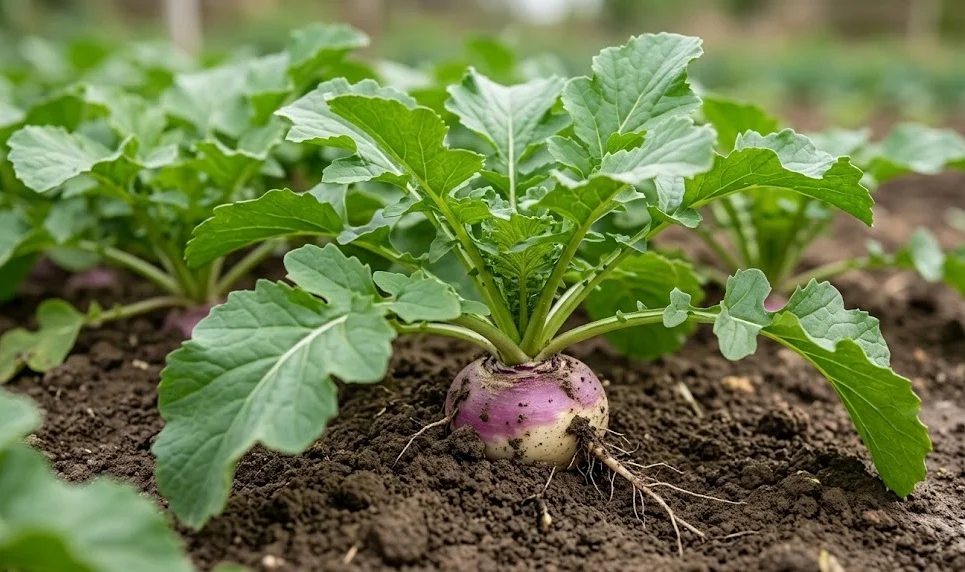
The physical structure of the turnip variety also plays a role in how well it survives the snow and ice of the winter season. You may prefer varieties where the root is mostly buried beneath the soil surface, providing a natural layer of insulation against the freezing air. Those with a large portion of the root exposed are more susceptible to “crown rot” and physical splitting during freeze-thaw cycles. A professional grower considers these morphological details when planning their winter forage or cover crop strategy.
In addition to frost tolerance, you should consider the disease resistance of the variety, as winter conditions can favor certain pathogens that thrive in cold, damp environments. A plant that is already weakened by disease in the autumn is much less likely to survive the stressors of a harsh winter. Ensuring the overall health of the crop before the first frost is a key part of the preparation for successful overwintering. Healthy tissues are inherently more resilient and better equipped to handle the metabolic demands of the dormant period.
The intended use of the crop—whether for grazing, green manure, or storage—should also influence your variety selection for the winter months. You should match the regrowth potential and nutritional longevity of the plant to your specific agricultural schedule for the late winter and early spring. Some varieties may lose their leaves quickly after a hard frost while the root remains sound, which is an important consideration for grazing livestock. Making the right choice at the beginning of the season ensures that your overwintering goals are achievable.
Soil protection and drainage
Proper drainage is essential during the winter to prevent the stubble turnips from sitting in waterlogged soil, which can lead to rapid root decay. You should ensure that the field you select for overwintering has the capacity to move excess moisture away from the root zone effectively. Saturated soils are also more prone to deep freezing, which can be much more damaging to the plants than dry cold. Investing in good field preparation and maintaining your drainage systems are vital tasks for the professional agriculturalist.
More articles on this topic
The presence of a dense canopy and a strong root system provides excellent protection against soil erosion during the heavy rains common in winter. You should aim for full ground cover before the growth rate slows down in late autumn to maximize this protective benefit for your land. The roots help maintain the soil structure and provide channels for water infiltration, reducing the risk of surface runoff and the loss of valuable topsoil. This soil health benefit is a key reason why stubble turnips are such a popular choice for winter cover cropping.
Snow cover can actually be a beneficial factor in overwintering by providing a layer of natural insulation for the plants beneath it. You should recognize that a consistent snow pack can protect the turnips from the most extreme air temperatures and desiccating winds. However, heavy snow can also cause physical flattening of the canopy, which may lead to some leaf loss as the snow melts. Understanding the local snow patterns helps you manage the expectations and risks associated with your overwintering strategy.
You should also be aware of the impact of winter traffic on the soil, whether from machinery or from grazing animals that are utilizing the crop. The risk of compaction and “poaching” is much higher when the soil is wet, which can have long-lasting negative effects on the field’s productivity. A professional approach involves managing the timing and density of any activity to minimize the damage to the soil architecture. Protecting the land during the winter ensures that it remains healthy and ready for the next planting cycle in the spring.
Monitoring dormancy and health
Scouting the field during the winter remains important, even though the plants are not actively growing at a visible rate. You should check for signs of root health by occasionally lifting a few plants and inspecting the internal tissues for firmness and color. Any signs of softening or a fermented smell indicate that the roots are beginning to break down and should be utilized or managed quickly. These periodic checks provide the information you need to adjust your plans if the winter weather becomes unexpectedly severe.
Pests can still be active during milder winter periods, and you should continue to monitor for any localized damage that could compromise the crop. Some species of slugs and even certain winter-active insects can feed on the dormant foliage and roots if the temperatures remain above freezing. While the pressure is generally lower than in the summer, a proactive grower never assumes that the crop is completely safe from biological threats. Early detection of any winter issues allows you to take action before significant losses occur across the field.
The nutritional quality of the turnips will fluctuate during the winter as the plants utilize their stored energy to maintain their basic metabolic functions. You should consider getting a nutritional analysis of the crop if it is being used for high-value livestock to ensure their dietary needs are being met. The sugar content and dry matter percentage are particularly important metrics to track as the season progresses toward spring. This data-driven approach allows you to optimize your feeding or management strategies for maximum efficiency.
As the days begin to lengthen in late winter, you should watch for the first signs of the plants “waking up” and beginning to put out new growth. This transition marks the end of the true overwintering phase and the beginning of the spring recovery period for the crop. If the turnips are intended for green manure, this is often the ideal time to incorporate them into the soil before they begin to utilize too many nutrients. Being attuned to these seasonal shifts is a hallmark of a professional who understands the internal clock of the plant.
Preparing for spring transition
The final stage of the overwintering cycle is managing the transition from the dormant winter phase into the active growth of early spring. You should decide on the ultimate fate of the crop well in advance, whether it will be grazed out, harvested, or tilled back into the earth. If the plants are allowed to grow too much in the spring, they may begin the flowering process, which significantly changes their chemical composition and utility. Timing the final utilization correctly is essential for capturing the maximum value from the overwintered crop.
Soil preparation for the following crop should be carefully coordinated with the removal of the overwintered stubble turnips. You should aim for a clean transition that allows the soil to warm up and dry out appropriately for the next planting window. The organic matter provided by the decomposing turnips will be a valuable asset for the next crop, but it must be managed correctly to avoid nitrogen tie-up. A professional grower sees the overwintering of turnips as just one piece of a much larger, multi-year agricultural puzzle.
You should also take the time to evaluate the success of your overwintering strategy and note any lessons learned for the following year. Were there specific areas of the field that performed better? Did the variety you chose meet your expectations for hardiness and quality? This reflection turns each season into a building block for your deep expertise in agricultural management and crop care. Successful overwintering is a testament to the skill and foresight of the grower in the face of the natural challenges of winter.
Finally, a healthy overwintered crop provides a sense of continuity and resilience for the entire farm system as a new growing season begins. You can take pride in the fact that your land remained protected and productive during the months when it could have been bare and vulnerable. This professional management of the overwintering process ensures that the stubble turnip delivers its full potential for both the soil and the farm’s productivity. With the right care, the challenges of winter become an opportunity for agricultural excellence.