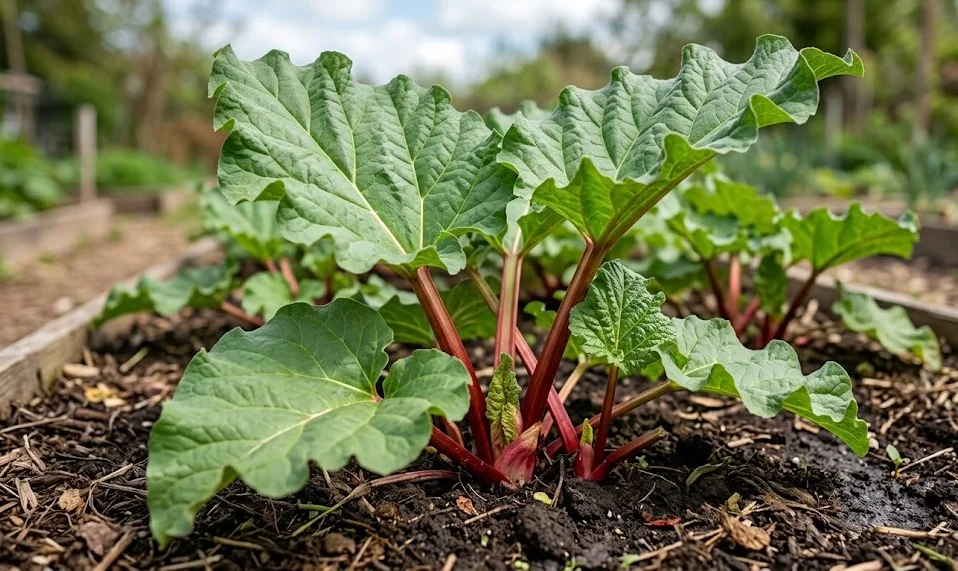

Establishing a new rhubarb patch is an investment in the future of your garden that requires careful planning. These plants are known for their longevity and can provide a bountiful harvest for many decades if started correctly. The process begins with selecting the right variety and ensuring the soil is prepared to meet their specific needs. By following professional planting techniques, you can ensure that your young plants transition smoothly into their new environment.
Choosing the perfect location is the most critical decision you will make during the planting process. Rhubarb requires a spot that receives plenty of sunlight but stays relatively cool during the peak of summer. The area should also have excellent drainage to prevent the roots from sitting in stagnant water during the winter. Avoid areas where water naturally pools after a heavy rain as this will lead to crown rot.
The timing of your planting will significantly influence the survival rate of the new rhubarb crowns. Early spring is generally considered the best time because the soil is moist and the temperatures are mild. This allows the root system to establish itself before the stress of the summer heat arrives. In some regions with milder climates, planting in the late autumn can also be highly successful for the gardener.
Preparing the planting hole involves more than just digging a small space in the ground for the roots. You should dig a hole that is at least twice as wide and deep as the root ball of the plant. Fill the bottom of the hole with a mixture of garden soil and well-rotted organic compost or manure. This provides an immediate source of nutrients for the young roots as they begin to explore their new home.
Techniques for crown division
Dividing an established rhubarb crown is the most common and effective way to propagate new plants. You should look for a healthy parent plant that is at least five years old and showing signs of overcrowding. Using a sharp spade, carefully lift the entire root mass out of the ground during the early spring. Be gentle to avoid damaging the thick, fleshy roots that store the plant’s energy reserves.
More articles on this topic
Once the crown is out of the ground, examine it to find the natural points where it can be separated. Each new division must have at least two or three healthy buds or “eyes” and a substantial piece of the root. Use a clean, sharp knife to slice through the crown, ensuring each piece is large enough to survive on its own. Discard any parts of the old crown that appear woody, hollow, or show signs of decay.
Replanting the new divisions should happen as quickly as possible to prevent the roots from drying out in the air. If you cannot plant them immediately, keep the divisions in a cool, shaded spot and cover them with damp burlap. When placing them in the ground, ensure the buds are only about five centimeters below the surface of the soil. Planting them too deep can cause the buds to rot before they ever reach the light.
The distance between your new plants is important because rhubarb grows to be quite large at maturity. You should space the crowns at least one meter apart to allow for proper air circulation and leaf expansion. This spacing also makes it much easier for you to move between the plants during harvesting and maintenance tasks. Giving them enough room from the start prevents the need for moving them later in their life cycle.
Deep soil preparation
The quality of the soil determines how quickly your new rhubarb plants will reach their full production potential. These plants are incredibly hungry and require a high concentration of nutrients to produce their massive foliage. You should incorporate large amounts of organic matter into the entire planting area, not just the individual holes. This creates a rich reservoir of energy that the roots can tap into as they spread horizontally.
More articles on this topic
Testing the pH of your soil before planting allows you to make necessary adjustments for the health of the crop. Rhubarb prefers a slightly acidic environment with a pH level between six and seven for optimal nutrient uptake. If your soil is too alkaline, you can add sulfur or acidic organic matter like pine needles to lower the pH. Correcting these levels before the plants are in the ground is much more effective than trying to fix them later.
Removing all traces of perennial weeds from the planting site is a step that cannot be skipped by any professional. Weeds like couch grass or bindweed can quickly intertwine with the rhubarb roots and become impossible to remove. Spend several weeks before planting clearing the area and ensuring no root fragments remain in the soil. A clean start is the best gift you can give to your new agricultural investment.
Adding a slow-release fertilizer to the soil during preparation ensures a steady supply of minerals for the first growing season. You can use organic options like bone meal or hoof and horn meal to provide a long-lasting source of phosphorus and nitrogen. Mix these amendments thoroughly with the soil to prevent direct contact with the sensitive new roots. This foundation of nutrition supports the rapid development of the crown during its crucial first year.
Initial establishment phase
Once the rhubarb is in the ground, your primary focus should be on keeping the soil consistently moist. Young plants do not have the deep root systems of established crowns and can dry out very quickly in the sun. Check the soil daily and water deeply whenever the surface feels dry to the touch for the first few months. This consistent hydration is the key to preventing transplant shock and ensuring a high survival rate.
Resist the urge to harvest any stalks during the first year of the plant’s life in your garden. The plant needs all its leaves to perform photosynthesis and build up the energy reserves in its crown. Harvesting too early will weaken the plant and may even cause it to die during its first winter. Patience during the first twelve months will result in a much larger and healthier harvest in the subsequent years.
Monitor the new growth closely for any signs of stress or damage from common garden pests like slugs. These creatures are particularly fond of the tender new shoots that emerge from the soil in the spring. Using physical barriers or organic deterrents can protect your investment while the plants are still small and vulnerable. A strong start without pest damage allows the plant to establish a large canopy of leaves more quickly.
By the end of the first growing season, your rhubarb plants should have a well-developed set of leaves. As the weather cools in the autumn, allow the foliage to die back naturally to return nutrients to the crown. You can then apply a light mulch of compost over the top to protect the new plant through its first winter. Following these professional steps ensures that your rhubarb patch will be a source of pride for many years.