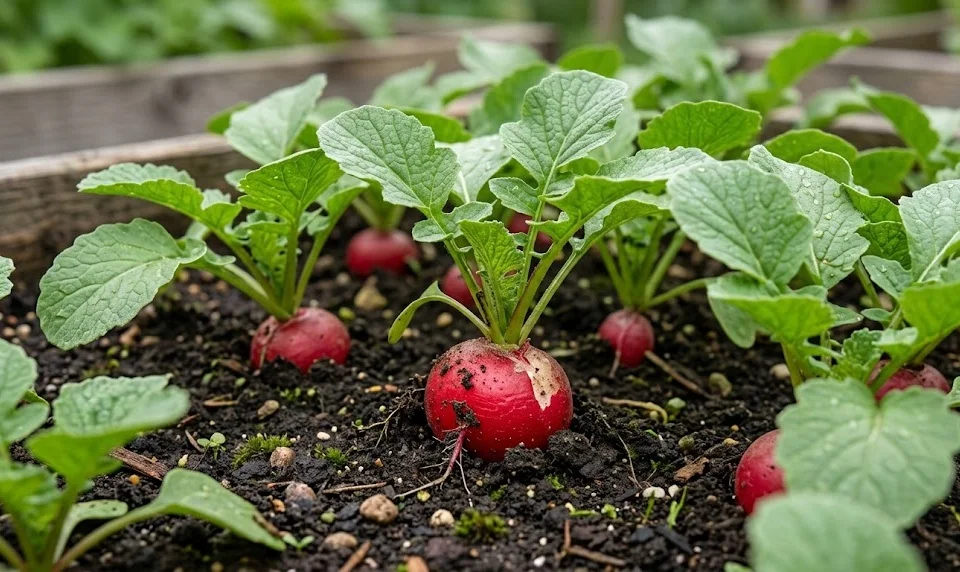

Understanding the light requirements of radishes is fundamental to achieving a harvest that is both quick to mature and high in quality. You must ensure that your plants receive the right intensity and duration of sunlight to fuel their rapid development during the short growing season. While radishes are somewhat flexible, providing them with optimal light conditions will prevent many common growth problems like bolting or stunted roots. By carefully selecting your planting site based on solar exposure, you set the stage for a thriving and productive vegetable garden.
Full sun is the gold standard for radish cultivation, providing the energy required for the leaves to produce sugars and store them in the roots. You should aim for a location that receives at least six to eight hours of direct sunlight every day for the best results. In low-light conditions, the plants will focus their energy on stretching their stems toward the sun rather than expanding their edible bulbs. This “leggy” growth often leads to thin, flavorless radishes that are a disappointment to harvest and eat at the dinner table.
Photoperiodism, or the plant’s response to the length of the day, plays a major role in when a radish decides to flower and produce seeds. You should be aware that the long days of early summer can trigger many radish varieties to bolt before they have a chance to form a root. This is why planting in the spring and fall, when the days are shorter, is the most traditional and successful approach for home gardeners. Understanding this natural cycle allows you to time your plantings to take advantage of the most favorable light and temperature combinations.
Managing the transition between light and shade can help you extend your radish growing season into the warmer months of the year if you are careful. You should consider using larger plants or garden structures to provide some afternoon relief for your radishes during the peak of the summer sun. This filtered light can help keep the soil temperature lower and reduce the stress on the plants, potentially delaying the bolting process. Experimenting with different levels of shade is a great way to learn about the unique microclimates that exist within your own garden space.
Optimal solar exposure
The intensity of the sunlight is just as important as the duration when it comes to the health and flavor of your home-grown radishes. You should choose a spot in your garden that is free from the shadows of large trees, buildings, or other structures that block the sun. Direct, unfiltered light allows the leaves to photosynthesize at their maximum rate, which is necessary for the plant to reach maturity in just a few short weeks. A sunny garden bed is the foundation of a fast and successful radish crop that you can be proud of as a gardener.
More articles on this topic
Morning sun is particularly beneficial for radishes because it helps to dry the dew from the leaves and prevent the development of various fungal diseases. You should prioritize an eastern exposure if you have a choice of where to place your vegetable beds in your backyard or community garden. The gentle warmth of the morning sun also gives the plants an early start on their growth for the day before the intense heat of the afternoon arrives. This early energy boost is a key factor in producing radishes that are sweet, crunchy, and free from any major health issues.
Reflected light from light-colored walls or fences can also be used to increase the total amount of solar energy that your radish plants receive. You might find that planting against a white-painted surface can help your vegetables grow faster and more vigorously in regions with limited sunlight or frequent clouds. This “bonus” light can be a game-changer for urban gardeners or those with smaller, shaded spaces who still want to grow their own food. Every little bit of extra light helps the radish plants build the energy they need to create their delicious and nutritious roots.
Using row covers or cloches that are made of clear materials ensures that your plants still receive the light they need while being protected from the cold. You should look for products that have a high light transmission rate to avoid shading your crops too much during the critical early stages of their growth. Even a small reduction in light can significantly slow down the development of the radish, potentially affecting the final texture and flavor of the root. Selecting high-quality, transparent covers is an essential part of managing the light environment for your overwintering or early spring crops.
Managing partial shade
While full sun is ideal, many radish varieties can actually tolerate and even benefit from a bit of partial shade, especially in hotter climates or during the summer. You should consider planting your radishes in a spot that receives four to six hours of sunlight if you are worried about the plants bolting too quickly. This slight reduction in light can help maintain a more moderate soil temperature and keep the plants from becoming overly stressed by the heat. It is a strategic way to manage the environment and ensure a successful harvest even when the conditions are not perfectly ideal for cool-season crops.
More articles on this topic
Intercropping is a clever technique where you plant your radishes in the shade of taller, slower-growing vegetables like tomatoes, peppers, or tall beans. You can take advantage of the space between these larger plants to grow a quick crop of radishes while the main plants are still getting established in the garden. The leaves of the taller plants provide a moving patchwork of shade that protects the radishes from the harshest rays of the sun throughout the day. This efficient use of space and light is a hallmark of an experienced and productive home gardener who wants to maximize their yield.
Using shade cloth is a more direct and controllable way to manage the amount of light that reaches your radish rows during the peak of the growing season. You can choose a cloth with a specific shade percentage, such as thirty or fifty percent, to find the perfect balance for your specific garden and climate. This fabric can be easily draped over a simple frame and removed whenever the weather turns cloudy or the temperatures begin to drop again. Shade cloth is a versatile tool that gives you more control over the light and heat environment of your vegetable garden.
Monitoring the growth of your shaded radishes is important to ensure they are still getting enough energy to form a healthy and edible root bulb below the ground. You should look for any signs of extreme stretching or pale leaves, which indicate that the plants are struggling to find enough light to survive and thrive. If the plants appear to be suffering, you may need to thin them more aggressively to ensure the remaining ones have access to all the available solar energy. Being observant and willing to make adjustments will help you find the “sweet spot” for growing radishes in the unique light conditions of your yard.
Effects of day length
Day length, or the number of hours of light in a twenty-four-hour period, is a powerful biological signal that tells the radish plant how to behave. You should be aware that radishes are typically “long-day” plants, meaning they are naturally inclined to flower and produce seeds when the days are long in the summer. This evolutionary trait allows them to reproduce when the conditions are best for seed maturation and dispersal in the wild. As a gardener, your goal is to harvest the root before the plant receives the signal to shift its energy into flower production.
The short days of spring and fall provide the perfect environment for radishes to focus all of their energy on root development rather than reproduction. You will find that radishes grown during these times are much more consistent in their quality and much less likely to bolt prematurely in the garden. This natural cycle is why radishes are such a staple of the early and late gardening seasons in many different parts of the world. By working with the natural rhythms of the sun, you can produce a more reliable and delicious harvest of fresh vegetables for your home.
Artificial lighting can be used to manipulate the day length for indoor or greenhouse-grown radishes if you want to grow them outside of their traditional seasons. You can use timers to ensure your plants receive exactly the right amount of light to stay in the vegetative stage and continue growing their roots. This level of control allows for year-round production of fresh radishes regardless of the natural light conditions available in your local area. It is a more advanced technique that requires some initial investment in equipment but offers a high level of reward for dedicated growers.
Understanding the difference between day-neutral and long-day varieties can help you choose the best seeds for your specific planting time and location. You should read the descriptions on the seed packets carefully to see if a particular radish is noted for its resistance to bolting during long summer days. Some modern varieties have been bred to be less sensitive to day length, making them much more versatile for year-round cultivation in various climates. Selecting the right genetics is just as important as providing the right environment for your home-grown radish crop.