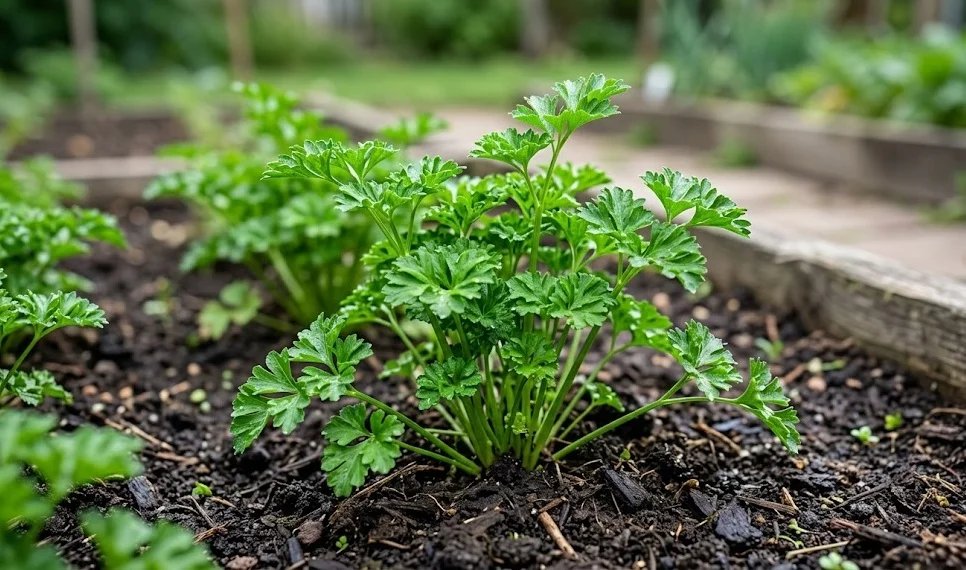

Understanding the light requirements of parsley is fundamental to achieving the lush, dark green growth that defines a professional crop. Light is the primary energy source for the plant, driving the photosynthesis that produces the essential oils responsible for flavor. While parsley is often labeled as adaptable, its performance varies significantly depending on the quality and duration of light it receives. Mastering this aspect of care ensures that your herbs are not only productive but also aesthetically pleasing.
In a professional setting, parsley is generally classified as a “full sun to partial shade” plant. This means it thrives best when it receives at least six to eight hours of direct sunlight each day. In cooler climates, full sun is almost always preferred to maximize growth and warmth. However, in hotter regions, the plant can benefit from some protection during the most intense parts of the afternoon.
The intensity of light directly affects the physical structure of the parsley plant. Plants grown in high light levels tend to be more compact, with sturdier stems and thicker, more resilient leaves. Conversely, parsley grown in deep shade often becomes “leggy,” with long, weak stems that easily flop over. The flavor profile is also impacted, as light intensity encourages the production of the aromatic compounds that give parsley its signature taste.
Light duration, or photoperiod, also plays a role in the plant’s development throughout the seasons. As a biennial, parsley responds to the shortening and lengthening of days as a signal for its life cycle transitions. During the long days of summer, the plant focuses on vegetative growth, provided it isn’t stressed by heat. Understanding these cues allows you to predict when the plant might transition into its flowering stage.
Optimizing light in different garden settings
Choosing the right location in your garden is the first step in meeting the light needs of your parsley. If you have a south-facing plot, your parsley will likely receive the maximum amount of light available. For gardens with more shade, look for spots that get early morning sun, which is less intense but still highly beneficial. Professional garden planning involves mapping these light patterns throughout the day to find the perfect microclimate.
More articles on this topic
Reflected light can be a useful tool for gardeners working with limited space or shaded areas. Planting parsley near a white wall or using light-colored mulch can bounce extra photons back onto the foliage. This technique can effectively increase the light intensity without moving the plant to a different location. In urban environments or balcony gardens, this strategy is often the key to growing healthy herbs.
The density of your planting can also affect how much light reaches the inner parts of the parsley rosette. If the plants are crowded too closely together, they will shade one another, leading to yellowing of the lower leaves. Professional spacing guidelines are designed to ensure that light can penetrate deep into the center of each plant. This not only improves growth but also helps keep the inner foliage dry and disease-free.
Seasonal changes in the angle of the sun mean that a “sunny” spot in June might be quite shady in September. A professional gardener monitors these shifts and adjusts their care routine accordingly. If your parsley is in containers, you have the luxury of moving them to follow the sun as the seasons progress. This flexibility allows you to extend the productive life of the plant well into the autumn.
Artificial lighting and indoor cultivation
When growing parsley indoors, natural light is often insufficient, especially during the winter months. A standard window might only provide a few hours of weak light, which is not enough to maintain a vigorous herb. Professional indoor growers almost always supplement with artificial lighting to ensure consistent quality. LED grow lights are the modern standard, offering a full spectrum of light while consuming very little energy.
More articles on this topic
The placement of artificial lights is a critical factor in their effectiveness. For parsley, the lights should be positioned relatively close to the plants—usually between six and twelve inches above the foliage. If the lights are too far away, their intensity drops significantly, and the plants will begin to stretch. As the parsley grows taller, the lights must be raised to maintain the optimal distance and prevent leaf scorch.
The duration of artificial light should mimic a long summer day, typically between twelve and sixteen hours. Using a simple plug-in timer is the most reliable way to maintain this schedule without having to remember to flip a switch. This consistency prevents the plant from becoming stressed by irregular light cycles. A dark period of at least eight hours is also necessary for the plant’s natural metabolic processes.
Monitoring the color of the leaves can tell you a lot about whether your lighting setup is working. Deep, vibrant green leaves indicate that the light levels are just right for photosynthesis. If the leaves start to look pale or “bleached,” the light may be too intense or too close. By paying close attention to these visual signals, you can fine-tune your indoor lighting for professional-grade results.